


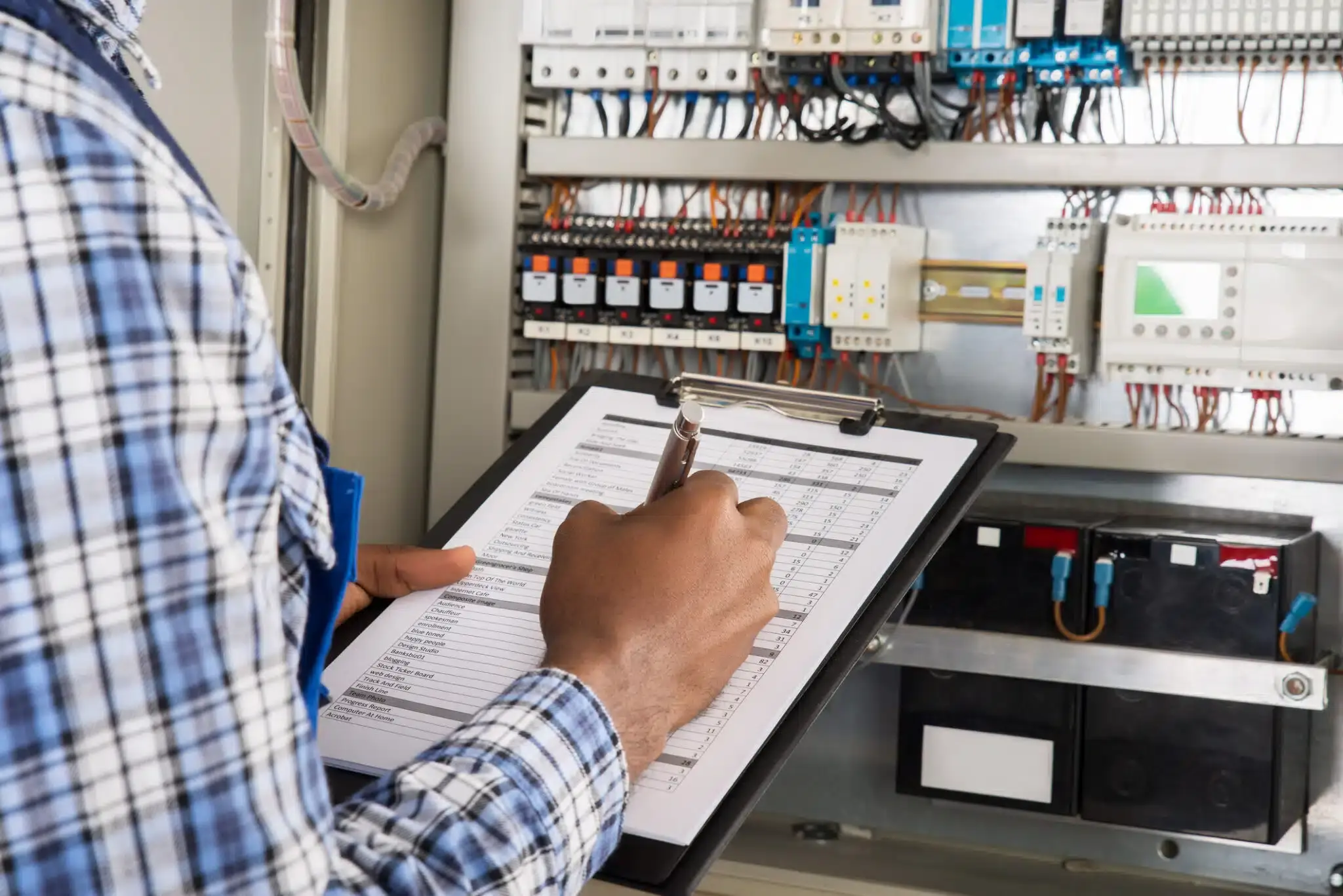
Preparing for an electrical inspection means checking that your electrical system is safe, visible, and built to current electrical codes. Inspectors review electrical wiring, electrical boxes, and circuit protection to reduce the risk of shock and fire.
Proper preparation for an electrical inspection helps avoid delays and repeat visits. Grounded Electric is mentioned only to provide context around licensed electrical work.
Key Takeaways
- Preparing for an electrical inspection requires clear access to the service panel, completed electrical work for the correct stage, and approved permits.
- Rough-in and final inspection requirements differ, so preparation must match whether wiring is exposed or devices are installed.
- Inspectors focus on grounding, circuit breakers, and safety standards in accordance with the National Electrical Code.
- Small issues, such as open knockouts or blocked panels, often cause inspection failures.
- If an inspection fails, corrections are usually limited, and professional review can help before reinspection.
How to Prepare for an Electrical Inspection
Preparation starts with knowing how the inspection process works. Inspectors focus on safety, access, and compliance, not appearance. Clear preparation helps the inspection move faster. Each step below reflects common inspection expectations.
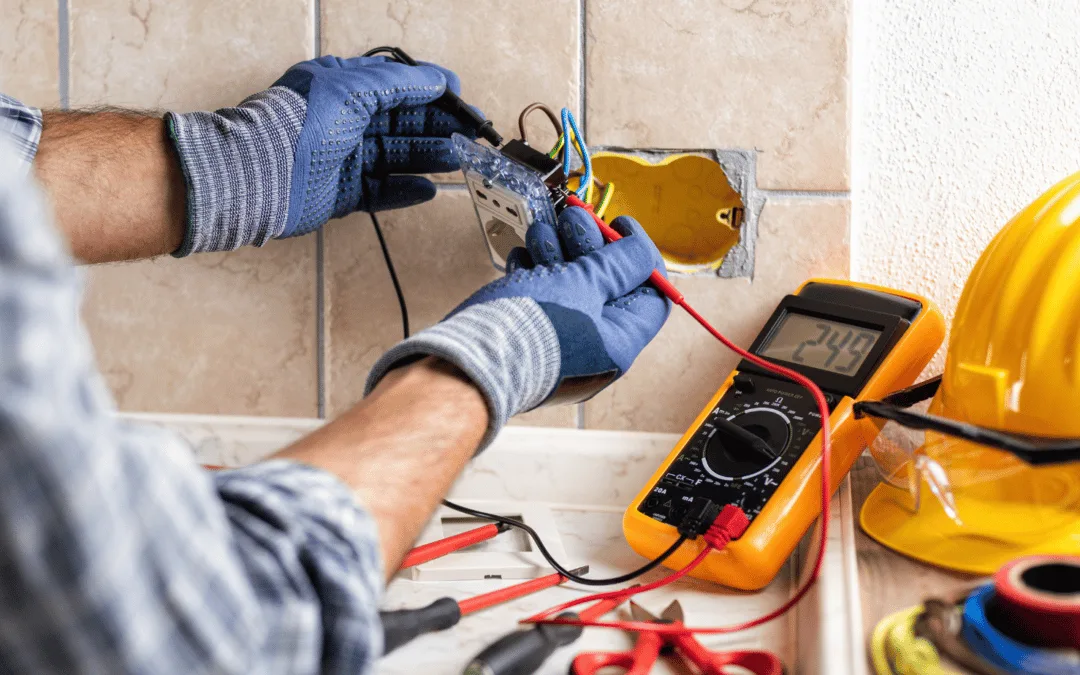
Electrical pre-inspection checklist
Inspectors must reach the service panel, electrical boxes, and each outlet and switch. Storage items should be cleared before inspection day. Clear access allows inspectors to review circuit protection. Blocked access alone can cause failure.
A simple inspection checklist helps confirm readiness. Outlet and switch covers should be installed and undamaged. Circuit breakers must be labeled and match each circuit. These steps support electrical safety.
Permits, safety, and basic testing
Permits confirm that electrical work is approved for inspection. Inspectors usually check permits first. Basic testing includes confirming power at outlets and switches. These steps align with a professional electrical home safety inspection.
Before you schedule the inspection
This step confirms timing rather than quality. Inspectors expect the electrical system to be complete for the requested inspection type. Scheduling too early often leads to corrections. A final review helps prevent delays.
- The service panel is accessible
- Outlet and switch devices are installed
- Circuit breakers are labeled
- Safety devices are tested
- Permits are ready
When and Why Electrical Inspections Are Required
Electrical inspections are required when work affects safety or system load. Local rules follow electrical codes to protect people and property. Skipping inspection can cause long-term problems. Planning inspections early helps avoid delays.
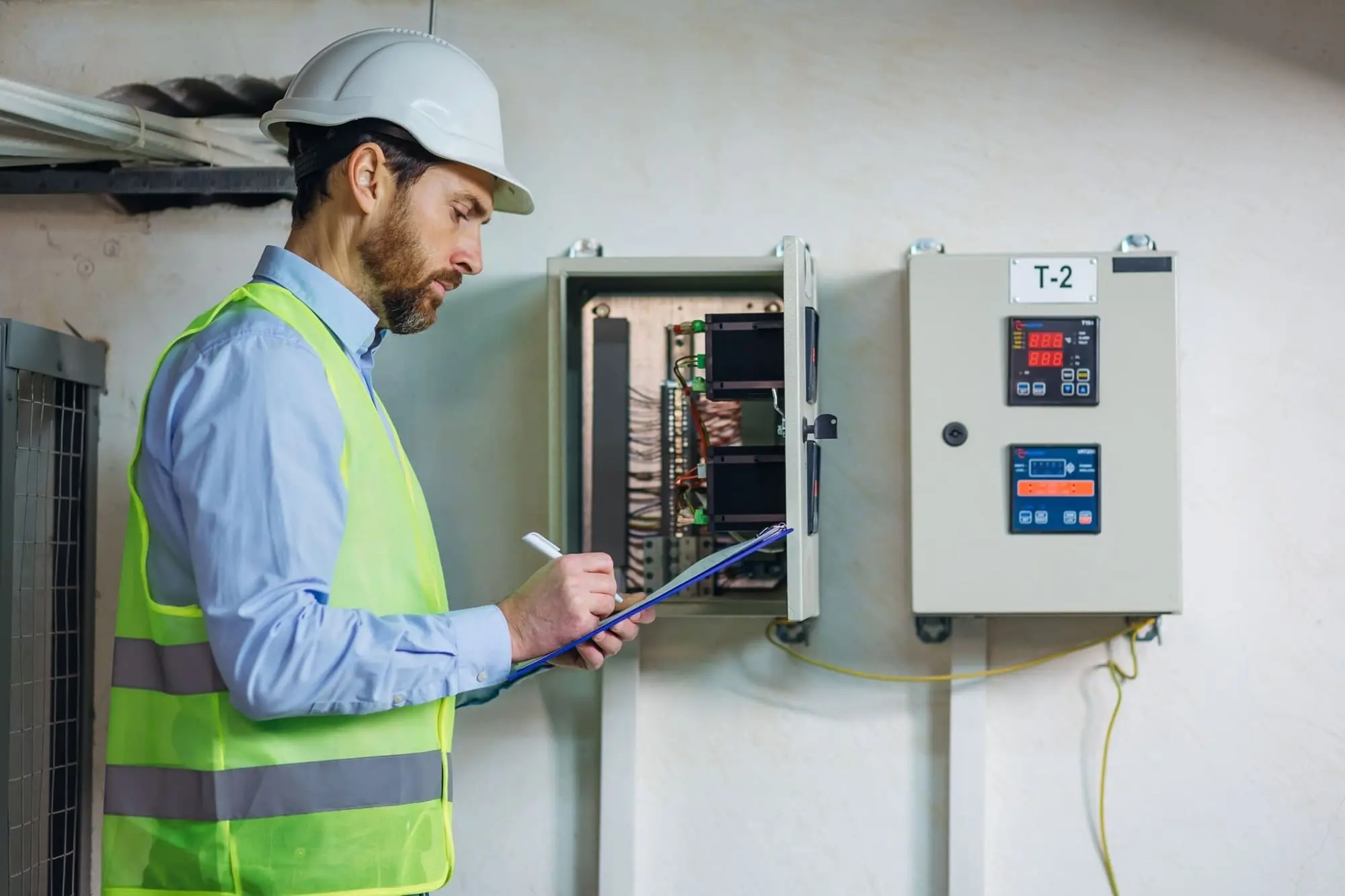
New construction and remodels
New construction requires inspections before walls close and at completion. Remodels that change electrical wiring or add circuits also require inspection. Inspectors compare work to approved plans. This helps prevent hidden risks.
Panel upgrades and added circuits
Service panel upgrades and new circuits always require inspection. Inspectors review grounding, wire size, and circuit breakers. Proper records support approval. These checks protect electrical safety.
Types of Electrical Inspections
Most projects involve more than one inspection stage. Each stage checks different safety items. Knowing the difference helps planning. Inspectors expect specific conditions at each stage.
Rough-in electrical inspection
A rough-in electrical inspection happens before insulation and drywall. Inspectors check electrical boxes, wire routing, and electrical wiring methods. They confirm systems are properly grounded and protected. Fixes are easier at this stage.
Final electrical inspection
The final inspection happens after devices and fixtures are installed. Inspectors test safety devices and review labeling. This step confirms the electrical system is safe to use. Approval is required before occupancy.
How to Prepare for a Rough-In Electrical Inspection
Preparing for an electrical rough-in inspection focuses on structure and protection. Inspectors need clear views of wiring paths. Early planning reduces rework. This stage supports code compliance.
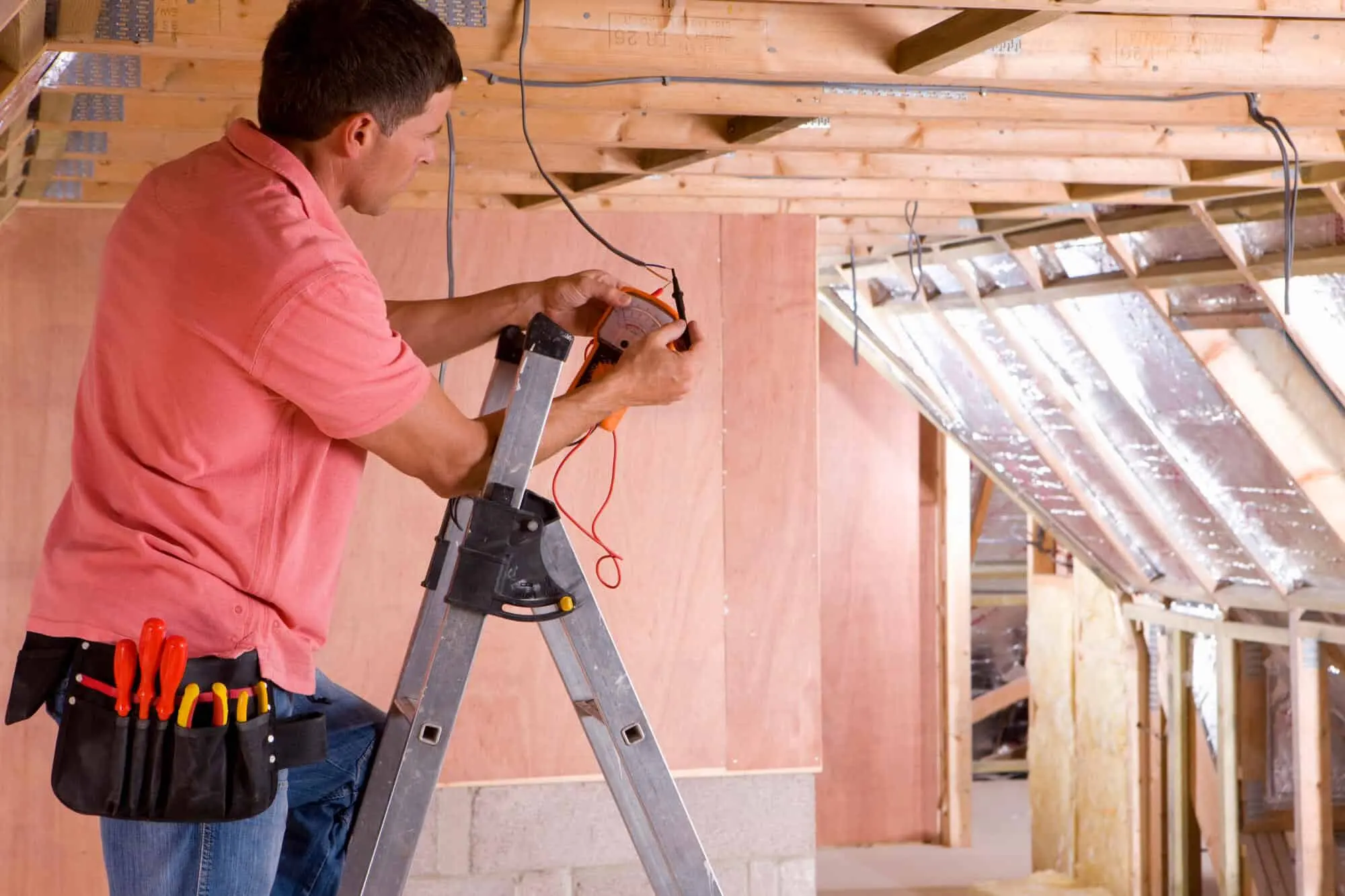
Preparing for a rough electrical inspection
When preparing for a rough electrical inspection, complete all wiring and secure cables. Electrical boxes must be set at the correct depth. Stapling and routing must follow the code. This explains how to prepare for an electrical rough-in inspection.
Box placement, wiring, and grounding
Electrical boxes must match the wire count and device type. Wiring must follow approved paths and be properly grounded. Inspectors check grounding to reduce the risk of shock. These steps support circuit protection.
Fire blocking and cable protection
Fire blocking slows the spread of fire inside walls. Inspectors check that fire blocking is in place. Cable plates protect wires from damage. These steps reduce fire hazard.
How to Prepare for Final Electrical Inspection
Final preparation focuses on system operation. Inspectors check finished devices and safety items. Clear labeling supports review. Small details matter.
Devices, fixtures, and cover plates
Devices must be secure and flush. Inspectors check each outlet and switch. Fixtures must follow manufacturer rules. Loose parts often lead to corrections.
GFCI, AFCI, and functional checks
Ground fault circuit interrupter devices protect wet areas. AFCI arc fault circuit interrupters reduce fire risk. Inspectors test these devices. Proper operation is required.
Final inspection, quick review points
This final review checks daily-use readiness. Inspectors review visible items and safety devices. Small problems can affect approval. A short review helps avoid failure.
- Devices are secure
- Fixtures work
- GFCI and AFCI reset
- No exposed wires
What Inspectors Look for
Inspectors review safety, layout, and code compliance. Their process follows clear steps. Knowing this helps with preparation. Good organization speeds approval.
Inspector checkpoints inspectors review closely
Inspectors focus on key safety points. These areas often cause failures. Checking them early reduces delays. This reflects inspection priorities.
- Panel connections and breaker fit
- Wire terminations
- Electrical box fill limits
- Cable protection
Panels, circuits, and labeling
The service panel must be accessible and labeled. Circuit breakers must match the wire size. Inspectors look for a clear layout. Labeling supports safe use.
Wire sizing and protection
Wire size must match breaker rating. Inspectors check insulation and connections. Protection prevents wear. These steps support electrical safety.
Code compliance and safety standards
Inspectors apply electrical codes and safety standards. They check grounding and spacing rules. Compliance supports safe operation. This protects homes and people.
What Will Fail an Electrical Inspection
Failures often relate to access or protection issues. Many problems are small but still matter. Knowing common issues helps prevent delays. Preparation reduces repeat visits.
Small details that trigger inspection corrections
Small issues often cause failure. Inspectors flag them due to safety risk. Most are easy to fix. Early review helps approval.
- Open box knockouts
- Missing bushings
- Poor staple spacing
- Incomplete grounding
Common rough-in inspection failures
Rough-in failures include missing staples or incorrect box depth. Unsupported wiring is common. These issues affect safety. Early fixes save time.
Access, clearance, and code issues
Blocked panels or missing covers cause failure. Inspectors also note code problems. Clearance prevents overheating. Fixing these issues supports approval.
If the Inspection Does Not Pass
If an inspection fails, the inspector issues a correction notice. The notice lists required fixes. Most corrections are limited. Knowing the typical electrician inspection cost helps homeowners budget for repairs before reinspection.
When a professional evaluation is recommended
Some corrections need professional review. Grounding, service panel, or circuit protection issues often require help. Licensed electricians can assist before reinspection, especially when deciding whether you need an electrician. This helps avoid repeat failures.
Residential Electrical Inspection Checklist
A checklist helps track preparation steps. It supports the final review before the inspection day. Organization saves time. The checklist should match the inspection stage.
Printable checklist overview
A residential checklist includes access clearance, labeling, device installation, and safety device testing, as outlined in a detailed electrical inspection checklist. It also covers permits and visible wiring.
Reviewing the checklist supports approval. Checklists support licensed electrician Robert “Bobby” Mulholland and project coordination by Barret Abramow, especially for homeowners working with an electrician in Bergen County or other local expert.
