


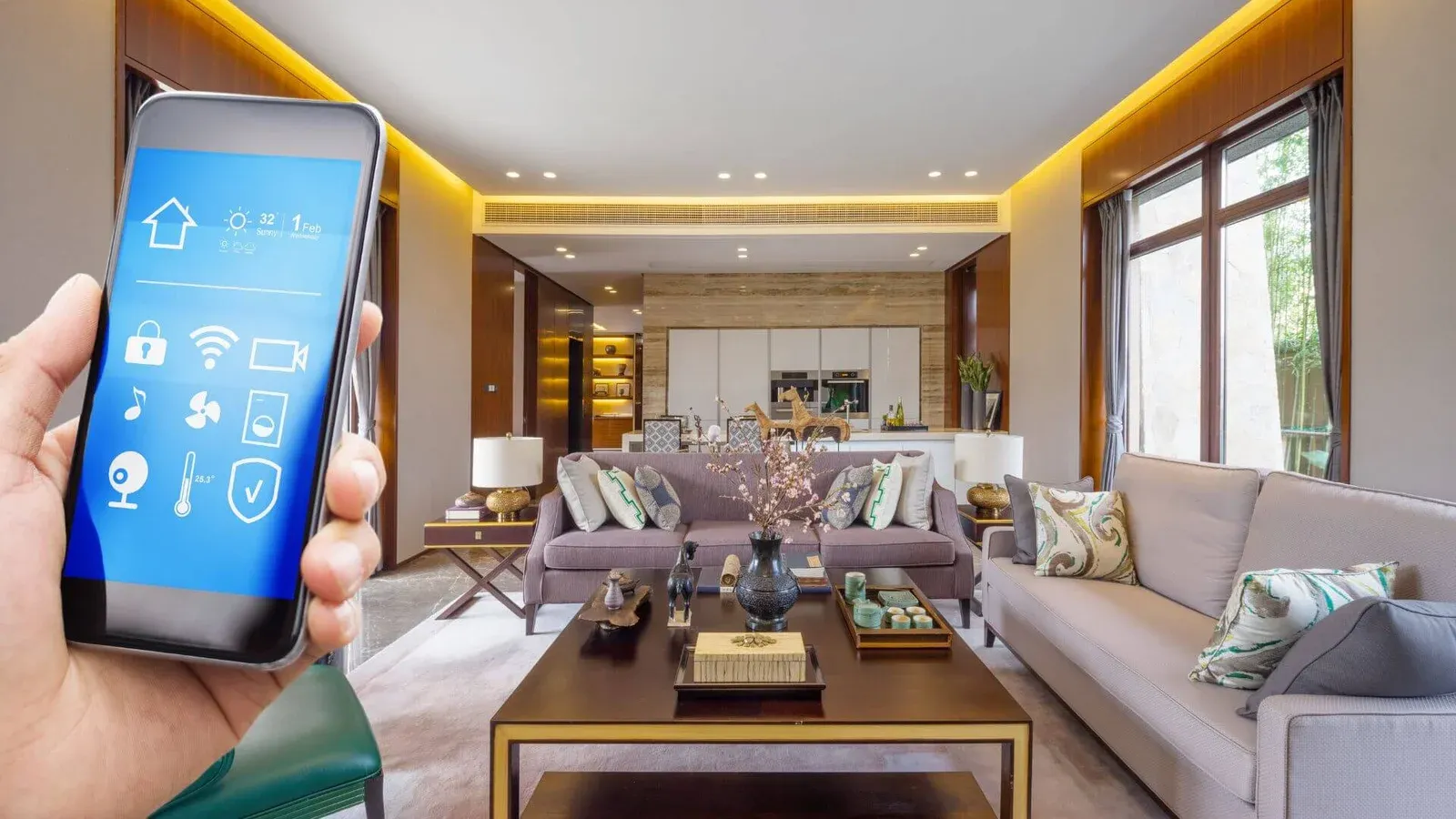
Choosing top-rated smart lighting and automation wiring for modern homes starts with a clear plan for how you want lights to behave, how you will control them, and what wiring supports that goal.
The “top-rated” result is rarely one product; it is a setup that fits your home’s circuits, network, and control needs. A strong plan reduces connectivity issues and avoids rework during a remodel or build.
Grounded Electric approaches this topic as an electrical scope that must be safe, code-compliant, and designed for reliable daily use, drawing on experience from its work as a smart home installation company in Bergen County. This article explains what to wire, how systems connect, and how wiring choices affect performance and future upgrades.
Key Takeaways
- Plan smart lighting around how you want to control lights, then match the system to your home’s wiring, load types, and network capacity.
- Smart bulbs suit spaces where the switch stays on and color control matters, while smart switches suit rooms where wall control must always behave like standard lighting.
- Confirm neutral wires, box space, and fixture compatibility before choosing devices, since these factors affect safety, dimming performance, and reliability.
- For new construction, prewire during framing for lighting zones, control locations, and network infrastructure to simplify future upgrades.
- Treat power and connectivity as a single, coordinated system to keep smart lighting stable as connected devices scale.
What Smart Lighting and Automation Wiring Covers
Smart lighting and home automation wiring for modern homes include electrical and low-voltage paths that enable lights to respond to schedules, sensors, and commands, as outlined in this overview of home automation and wiring.
It involves line-voltage circuits for switches and loads, along with low-voltage cabling for keypads, hubs, and network links. It also includes planning zones, scenes, and control locations before walls close. The goal is a layout that supports reliable control and safe expansion.
A smart home system relies on two foundations: power distribution and communication paths. Power covers breakers, circuits, and the load a lighting fixture places on the system.
Communication protocols include Ethernet, Wi-Fi, and hub-based protocols that connect devices. When either foundation is weak, the system feels inconsistent. Proper wiring design keeps controls predictable and simplifies long-term maintenance.
Smart Bulbs vs Smart Switches
Smart bulbs and smart switches serve different roles, so the best option depends on how the lights are used and the wiring configuration. Smart bulbs work well when you want color control or scene changes without altering switch wiring.
Smart switches are well-suited when wall controls must operate like traditional lighting while supporting schedules and automation. Many homes use both approaches in different rooms.
Electrical considerations for bulbs and switches
Smart controls must match the wiring inside the switch box and the electrical load on the circuit. Smart switches often require neutral wires to ensure the device remains powered when the lights are off. Some older homes lack that conductor, which limits switch choices. Load type also matters, as certain dimmers are not compatible with certain LED drivers.
- Confirm whether neutral wires are present before selecting a smart switch.
- Verify the load type, especially for integrated LED lighting fixtures.
- Check box space and wiring fill, since smart devices are often deeper than standard switches.
- Keep at least one local control option so lights function without voice assistants or network access.
Which option works best for your home
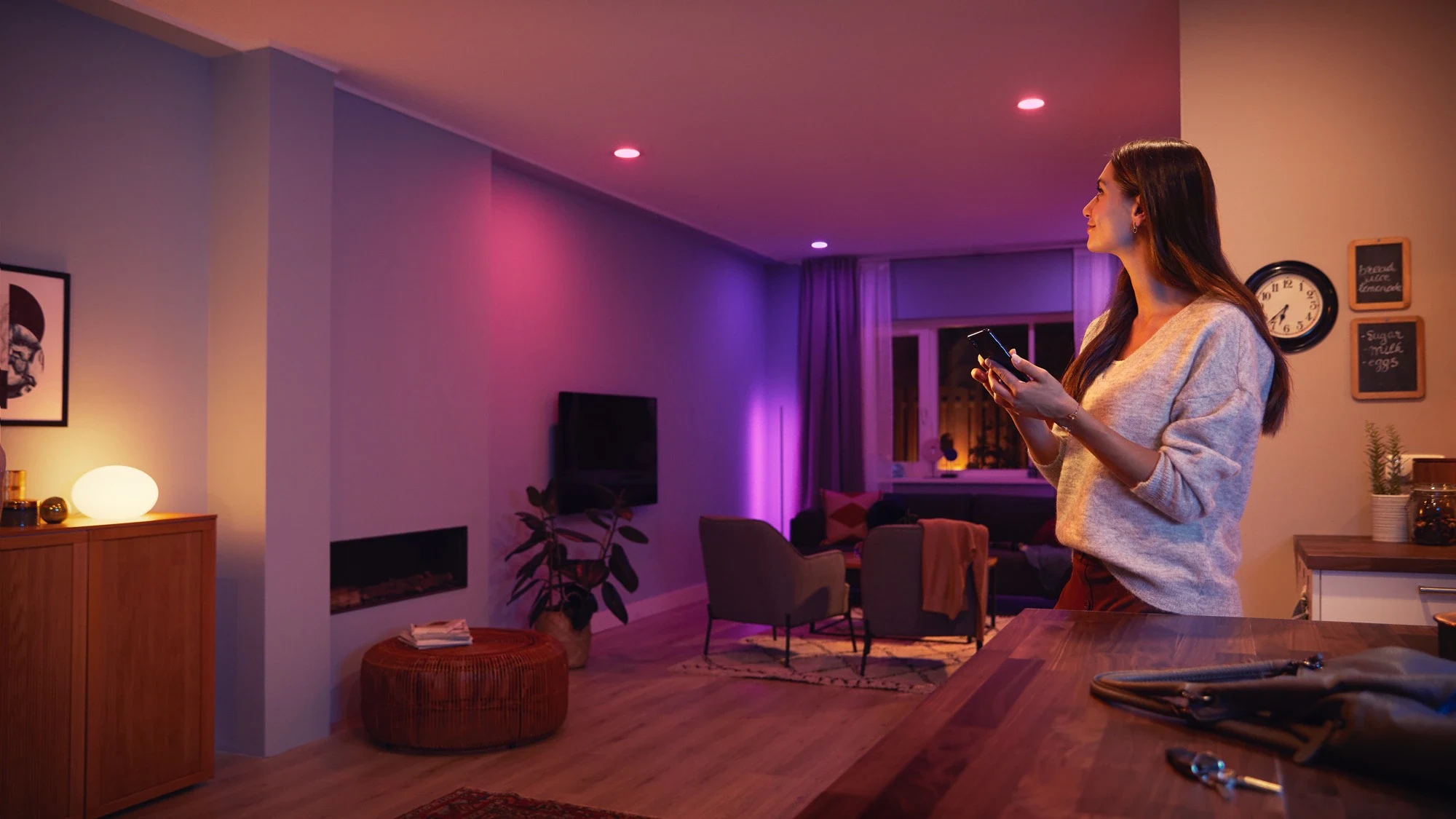
Choose smart bulbs when the wall switch stays on, and app-based control is most important. Philips Hue is a common example because it supports scenes and hub-based control that remains stable even as networks change.
Choose smart switches when physical wall control must always operate the lighting circuit directly. This approach works well in shared spaces and reduces confusion when multiple users rely on consistent switch behavior.
The availability of neutral wire often determines whether smart switches are viable without rewiring. If the wiring is unclear, a licensed electrician can confirm the existing conditions and determine whether upgrades are needed. This step reduces flicker, prevents unsafe workarounds, and keeps the installation compliant with code requirements.
Best Smart Home Lighting Systems
Smart lighting systems range from simple Wi-Fi devices to hub-based networks that control multiple loads throughout the house, forming the foundation of modern home lighting automation.
Some systems focus on bulbs and lamps, while others center on switches, dimmers, and keypads. The best choice aligns with wiring conditions, control goals, and long-term expansion plans. System selection also affects how smart home devices work together.
Top-rated system shortlist for modern homes
This shortlist shows how common system types align with different needs. It is not a ranking but a means of comparing approaches. The best fit depends on control preferences and wiring layout. Use this as guidance before selecting specific hardware.
- Philips Hue is suited for color lighting and hub-based control using bulbs.
- Smart switch ecosystems such as Lutron Caseta are ideal for traditional wall controls with built-in automation.
- Apple HomeKit-compatible systems enable unified control across supported platforms.
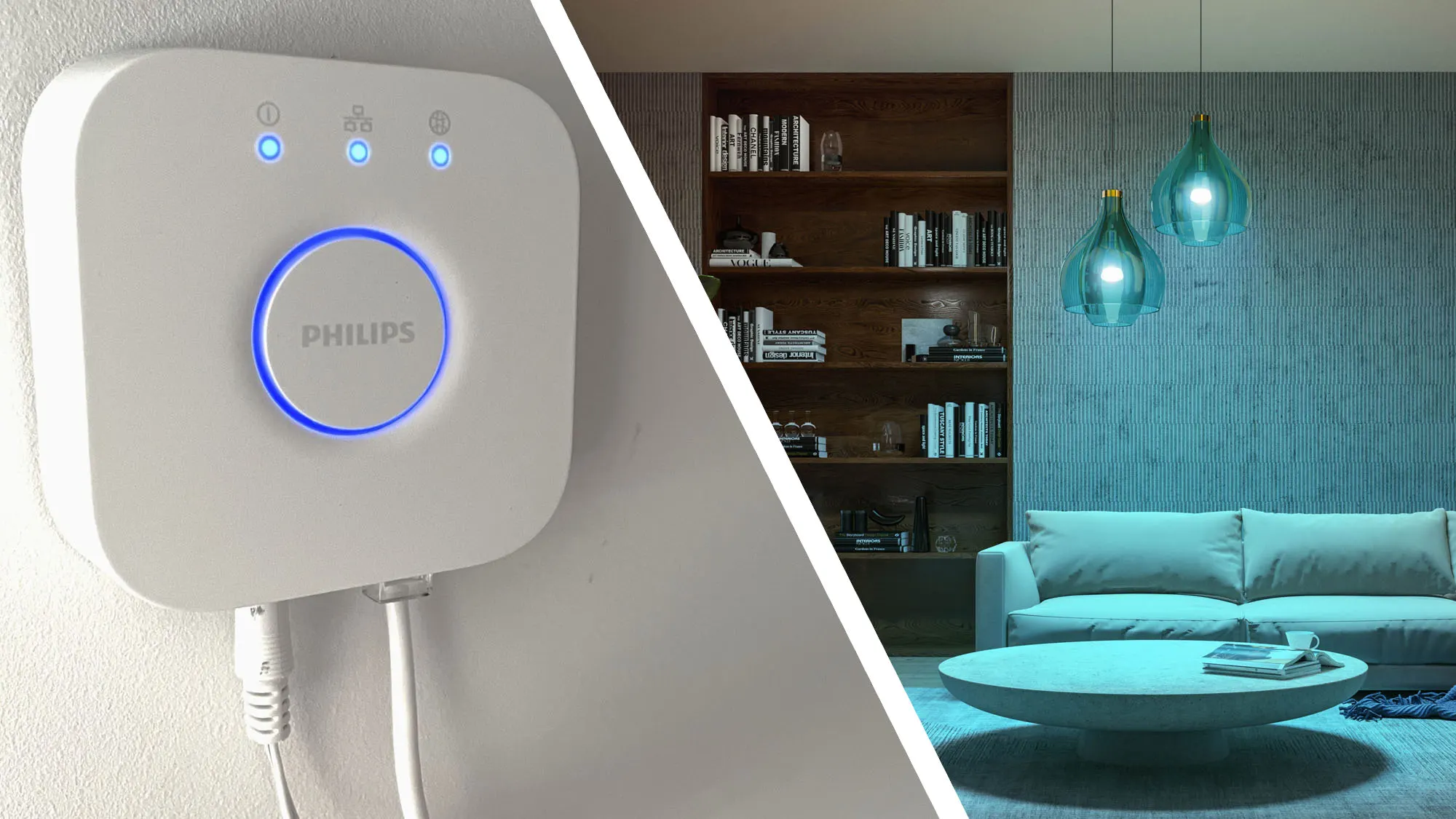
- Hub-based smart lighting systems are often more stable when many devices are connected, such as Philips Hue with the Hue Bridge, which uses a dedicated hub rather than relying solely on home Wi-Fi.
- Wi-Fi-first systems are easier to set up but are more affected by network congestion, like TP-Link Kasa smart bulbs that connect directly to the router and depend on overall Wi-Fi performance.
What “top-rated” means for system choice
A “top-rated” lighting system is one that performs consistently within the home’s electrical and network limits. Evaluating systems based on control options, expansion, and load compatibility yields better long-term results than focusing solely on app features.
This approach supports future-proof planning without unnecessary complexity. It also reduces the risk of needing to replace devices later due to wiring constraints.
- Reliability under daily use
- Control methods such as app access, keypad use, and voice control
- Expandability for added rooms and connected devices
- Load compatibility with dimmers and LED drivers
- Network demands and tolerance for busy Wi-Fi
- Serviceability through labeling and documentation
System types and wiring compatibility
Hub-based systems reduce Wi-Fi congestion by handling low-traffic data on a dedicated network before routing it to the router, a common feature of professionally designed platforms such as Lutron smart-home systems. Many guides highlight Philips Hue for similar reasons, including broad ecosystem compatibility.
Wi-Fi-first systems work well for small installations but may struggle as device counts rise. When planning wiring, provide clean power and adequate space for hubs and network equipment. Control locations should feel natural so daily use remains intuitive.
Compatibility also depends on electrical fit. Some systems expect dimmable loads or specific fixture types. Integrated LED fixtures can behave differently from standard lamps. Matching the control type to the load prevents flicker, buzzing, and premature failure.
How Smart Lighting Is Wired
Smart lighting wiring choices affect reliability, serviceability, and expansion. Layout decisions influence how the home behaves during outages or network interruptions. A solid plan maps control points to lighting loads and groups rooms into zones that match daily use. This structure keeps automation predictable.
Centralized and room-based layouts
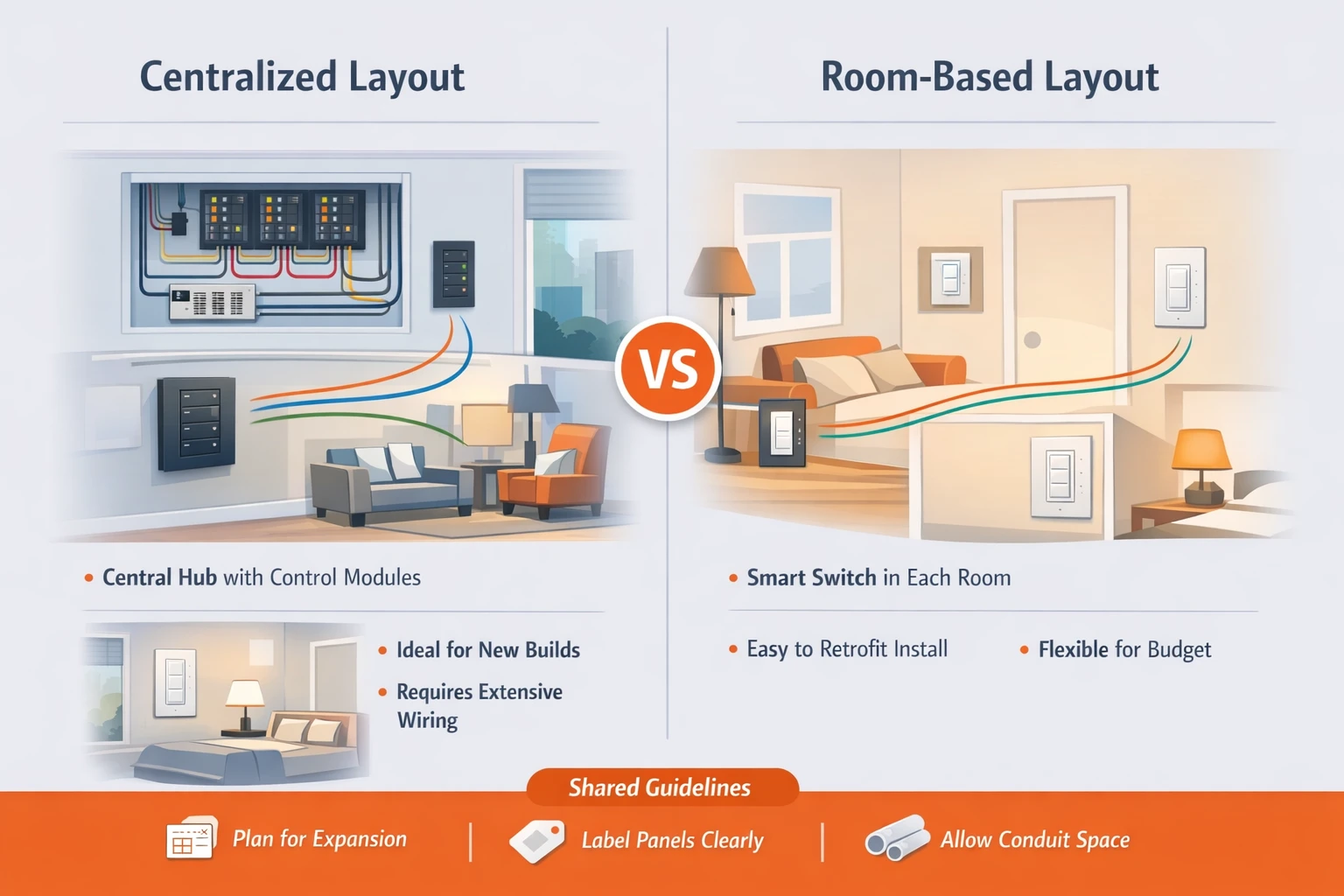
A centralized layout places control modules in one location and routes commands to keypads throughout the home. This approach supports consistent scenes and clean wall aesthetics, especially in larger homes. Room-based layouts rely on smart switches or dimmers in each space. Both methods work, but they suit different budgets and construction stages.
Centralized systems require more planning during construction due to cable routing and panel space constraints. Room-based systems adapt more easily to retrofits. New builds benefit from planning for future expansion by allowing space for additional modules and conduits. Clear labeling supports future service work.
Wired controls and wireless controls
Wired controls remain consistent because they do not rely on radio coverage. Wireless controls offer flexibility but depend on network quality. In wireless-heavy systems, network design becomes part of the electrical plan. Poor coverage or interference can reduce responsiveness.
Voice control adds convenience but should not replace physical or app-based controls. Voice assistants depend on network response and cloud services. Wall controls and apps should remain functional during outages or recognition errors. Balanced control options improve everyday usability.
Common Smart Lighting Wiring Mistakes to Avoid
Smart lighting failures are often caused by wiring decisions made early in the project. These issues are not always apparent during installation, but they may surface later as flicker, delays, or system instability.
Understanding common mistakes helps prevent unnecessary replacements and troubleshooting. This section focuses on wiring-related issues rather than product defects.
One common mistake is undersized or overcrowded switch boxes. Smart switches and dimmers are often deeper than standard devices, and cramped boxes can lead to heat buildup or loose connections.
Another issue is mixing incompatible dimmers and lighting fixture drivers, which causes buzzing or erratic dimming. These problems are electrical in nature, not software-related.
Poor planning for neutral wires is another frequent issue. Some installations rely on workarounds that keep devices powered but compromise reliability or safety. Network-related mistakes also occur when control hubs are placed far from access points or powered through shared outlets. Avoiding these mistakes requires coordination between electrical layout and system design.
Essential Wiring for Modern Homes
Modern smart homes use both line-voltage and low-voltage wiring. Line-voltage wiring powers lighting loads and controls. Low-voltage wiring supports communication between sensors, keypads, and controllers. Planning both together improves system stability.
Electrical considerations for wiring planning
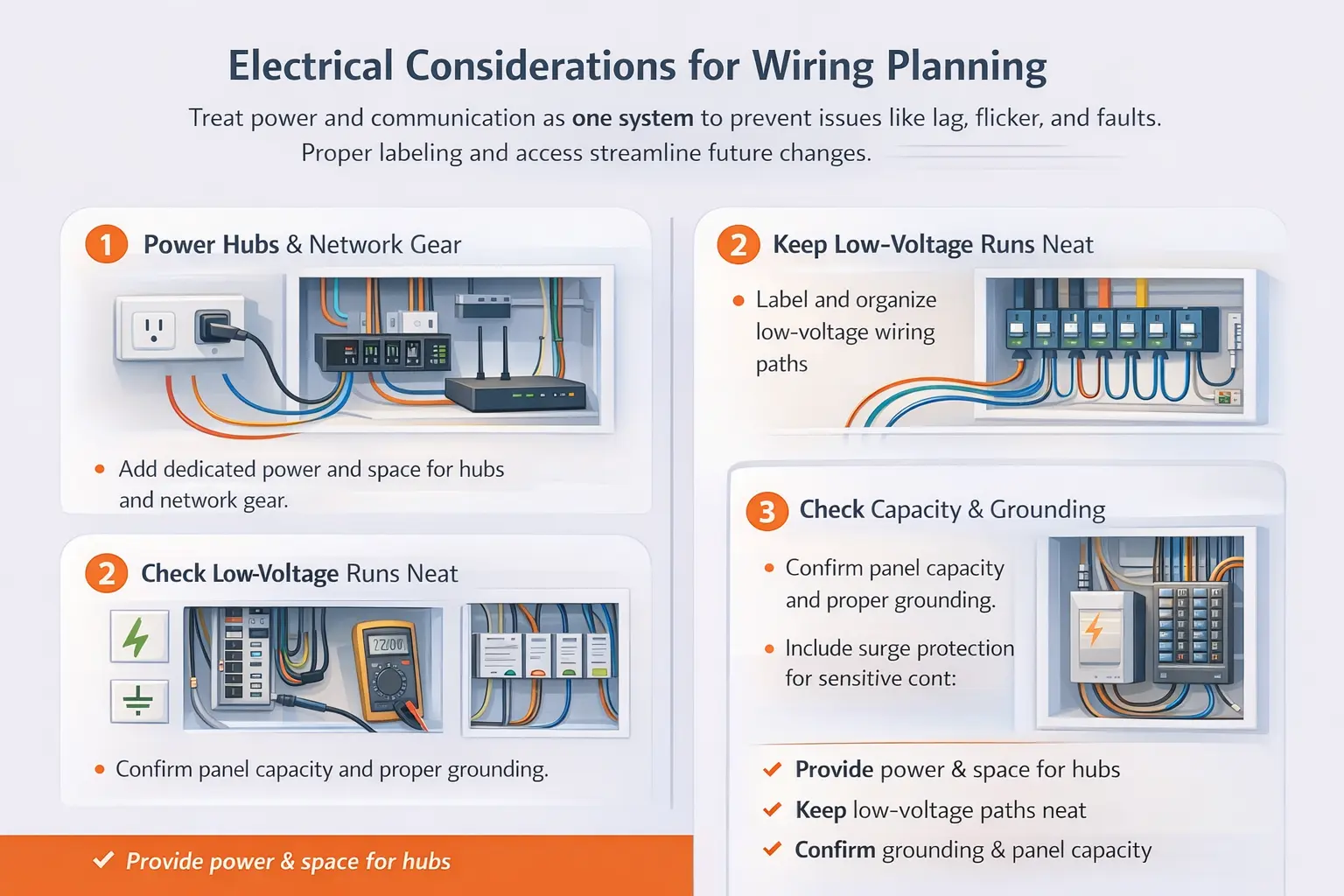
Treat power and communication as one system. Circuits must handle loads safely, while low-voltage paths must support clean signal flow. Poor coordination causes lag, flicker, and faults that resemble software problems. Proper labeling and access simplify future changes.
- Provide dedicated power and space for hubs and network gear.
- Keep low-voltage runs organized and labeled.
- Confirm grounding and panel capacity before expanding circuits.
- Include surge protection for sensitive controllers.
Low-voltage lighting control wiring
Low-voltage wiring supports keypads, sensors, and scene coordination. Motion sensors can automate lighting for safety and convenience. Placement matters to avoid false triggers from pets or foot traffic. Stable power and data paths keep sensors responsive.
Separate low-voltage runs from high-voltage wiring as required by code. Clean routing improves serviceability and reduces interference. Labeled wiring simplifies future upgrades and troubleshooting.
Network and data cabling
Network cabling supports stable communication between controllers, hubs, and routers. Ethernet connections reduce wireless congestion and improve response time. Access points benefit from dedicated data runs to improve coverage.
Plan equipment locations with clean power and ventilation. Account for device limits on routers and mesh systems. A structured approach supports growth and prevents connectivity issues.
Other Automation Wiring to Plan Now
Smart lighting often shares infrastructure with other automation features. Planning these runs early avoids later wall openings. The focus is on flexibility, not installing every feature immediately. Basic preparation keeps future upgrades straightforward.
- Wiring paths for a security system and control panel.
- Network drops for security cameras.
- Low-voltage runs for doorbells and access controls.
- Network support for control hubs and connected devices.
When to Involve an Electrician vs a Smart Home Integrator
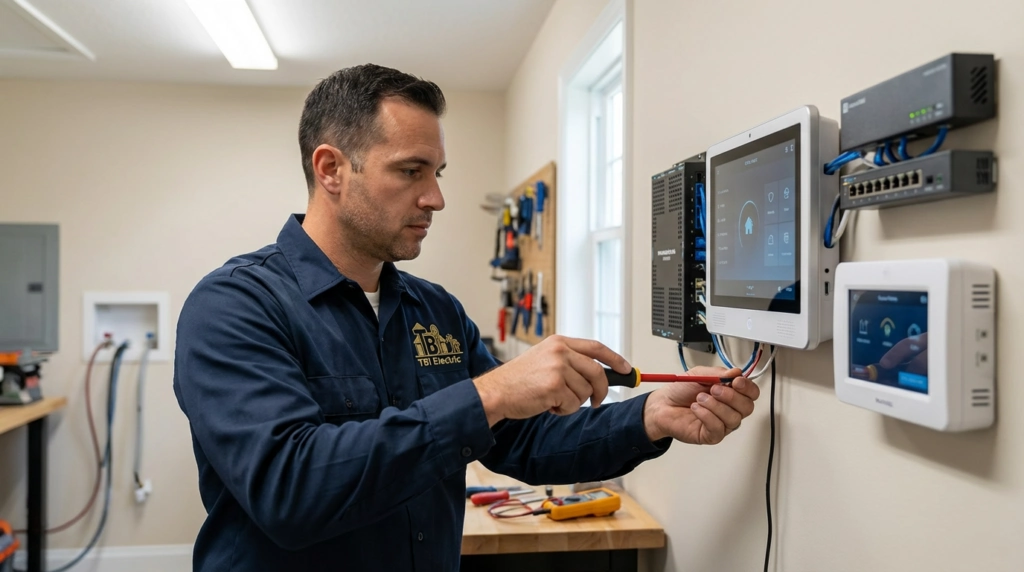
Smart lighting projects often involve both electrical work and system configuration, but the responsibilities are distinct. Understanding who should handle each part helps prevent gaps in safety, performance, and accountability.
Electrical planning should always come first because it affects load capacity, protection, and code compliance. System setup builds on that foundation.
A licensed electrician should evaluate circuits, panel capacity, grounding, and wiring paths before any smart devices are installed. This includes confirming neutral wires, box fill, and compatibility between controls and lighting fixtures.
Electrical issues cannot be solved with software adjustments. This role focuses on safety and long-term reliability.
A smart home integrator typically focuses on device pairing, scenes, automations, and user interfaces. This work assumes the electrical foundation is already correct. When both roles coordinate, systems perform more consistently and are easier to service later.
Smart Lighting Wiring for New Construction
New construction offers the best opportunity to plan circuits and control locations. Lighting zones can match real-use patterns rather than relying on framing layouts. Switch boxes and sensor points can be placed optimally. Early planning reduces future disruption.
Pre-wiring during framing
Run cabling for lighting control, network access points, sensors, and future expansion during framing. Include conduits to key areas like attics and garages. This approach supports smart home systems that expand over time.
Consider how automation behaves during power outages. Backup power planning may be part of the electrical design. If generator integration is included, noting that Grounded Electric is Generac Certified provides context for coordinating backup power with critical lighting circuits.
Smart Lighting for Existing Homes
Existing homes can support smart lighting, but wiring conditions vary. Box space, cable type, and neutral availability affect device choice. A clear assessment sets realistic expectations.
Retrofit and upgrade options
Retrofits often combine smart switches where wiring allows and smart bulbs where it does not. Adding a neutral wire may be possible, but it requires professional evaluation. Network upgrades often improve reliability before adding devices.
Document circuits and device locations during upgrades. Track model numbers and hub placement. Leave panel capacity for future changes. Older wiring or crowded panels should be reviewed by a licensed electrician before expansion.
Automation Features Enabled by Proper Wiring
Good wiring supports predictable automation. Stable power and communication reduce missed triggers. Automation works best when rules are simple and reliable. Poor wiring undermines trust in the system.
Scenes, schedules, sensors, and zones
Scenes control multiple lights together. Schedules automate timing based on occupancy or daylight. Motion sensors improve safety and convenience. Group lighting zones logically to reduce complexity.
Lighting can integrate with a security system so that lights respond to alarm states. Security cameras may trigger lighting for visibility. Clear rules prevent constant cycling or false triggers.
Planning Smart Lighting for Long-Term Energy Use
Smart lighting can improve energy efficiency when wiring and control logic are integrated. The goal is to reduce unnecessary runtime rather than relying only on manual control. Stable wiring ensures sensors and schedules operate reliably. This supports consistent energy-saving behavior.
Motion sensors, schedules, and daylight-based controls reduce energy use when they operate as intended. Lighting zones that match traffic patterns consume less power than broad circuits.
Proper wiring ensures sensors respond without delay or false triggers. This improves energy efficiency and user confidence.
Long-term energy use also depends on adaptability. Homes change as usage patterns shift. Wiring that supports flexible zoning allows lighting logic to evolve without rework. This makes smart lighting a practical long-term tool rather than a short-term upgrade.
Why Professional Wiring Matters
Smart lighting depends on electrical safety and code compliance. Professional planning protects circuits and reduces hidden issues. Proper documentation improves long-term maintenance. Safe design supports consistent performance.
Safety, reliability, and code compliance
A licensed electrician reviews circuit capacity, grounding, and terminations before adding smart controls. Smart switches and dimmers interact differently with loads than standard devices.
Robert “Bobby” Mulholland, a licensed electrician in Bergen County and subject-matter expert, treats neutral wires and load compatibility as safety fundamentals. This approach reduces callbacks and supports safe operation.
Reliability also depends on clean terminations and labeling. Barret Abramow, Project Manager and Co-Owner, coordinates electrical and low-voltage planning so systems work together as intended. This alignment improves serviceability and supports future-proof expansion.
