



Grounded Electric works with standby generators. This article explains Generac generator battery life for homeowners who want a practical replacement timeline. Robert “Bobby” Mulholland is Grounded Electric’s licensed electrician and license holder. He treats battery condition as part of safe generator readiness.
Generac’s own support guidance uses the same average replacement window for home standby generator batteries. Still, battery condition can vary by site. So charging performance, age, corrosion, and starting behavior should guide replacement decisions.
Key Takeaways
- A Generac home standby generator battery usually lasts 3 to 5 years, but weather, charging, use, and maintenance can change that timeline.
- Warning signs of a bad battery include slow starts, controller alerts, corrosion, swelling, leaks, or low voltage readings.
- The correct Generac generator battery size depends on the model, so homeowners should confirm the manual before replacement.
- A replacement battery often costs $100 to $250, while professional installation may add about $150 to $300.
- Regular inspections and proper charging help protect battery performance and reduce the risk of startup failure during an outage.
How Long Should a Battery Last in a Generac Generator
The expected lifespan of a Generac battery is usually 3 to 5 years. This range applies to most home standby units that use lead-acid batteries, including common absorbed glass mat designs.
The exact battery life depends on the type of battery, charging conditions, and outdoor exposure. In real-world use, a battery may fail sooner if it is kept in poor conditions or does not receive proper charging.
A battery that still shows voltage may still be weak under load. That is why age, testing, and starting performance all matter when judging battery condition.
What Affects Generac Generator Battery Life
Several conditions affect Generac generators and their starting systems, and broader generator life expectancy also depends on maintenance, usage, and service history. The battery does not power the entire generator; it powers only the starter, controller, and key startup functions.
Main factors include:
- Weather exposure
- Generator exercise cycles
- Charger performance
- Battery age
- Terminal condition
- Maintenance history
Weather Exposure
Cold weather can reduce battery performance because chemical reactions slow down inside the battery. A weak battery may start the generator in mild weather but fail during a winter outage.
Heat can also shorten long-term battery life. High temperatures increase fluid loss, internal stress, and internal corrosion.
Generator Use
A standby generator runs weekly exercise cycles to keep the system active. These cycles help confirm that the engine, controller, and starter are working.
Heavy outage use can add stress, but lack of use can also create problems. Regular maintenance helps confirm that the battery stays charged and ready.
Charging Problems
A Generac standby unit uses a charging system to keep the battery ready. If the charger fails, the battery may slowly drain even when the generator looks normal.
Battery management systems can help monitor voltage and charging conditions in newer setups. Still, a licensed electrician should check the system if readings look unstable.
How to Tell if a Generator Battery Is Bad
A failing battery often gives signs before it stops working. The most common signs involve slow starts, warning lights, corrosion, or low voltage.
These signs matter because backup power depends on the generator starting at the right moment. If the battery cannot start the engine, the generator cannot support the home during an outage.
Slow Starts
A slow crank is one of the clearest warning signs. The generator may struggle to start, pause before turning over, or fail during the first attempt.
This does not always mean the battery is the only problem. It can also indicate loose terminals, charger issues, starter problems, or other common generator issues.
Warning Lights
Generac units may show alerts on the controller when battery voltage is low. These warnings should not be ignored, as they may indicate poor charging or a weak battery condition.
Barret Abramow, Project Manager and Co-Owner at Grounded Electric, helps coordinate field details like service timing, system checks, and project documentation. That type of coordination matters when electrical work involves both equipment condition and code-aware service planning.
Corrosion or Damage
Corrosion near the terminals can block current flow. Cracks, swelling, leaks, or a strong odor can also show that the battery needs attention.
A damaged battery should not be handled casually. Battery acid and electrical contact points can create safety risks.
How to Inspect a Generac Battery
Battery inspection should be simple, careful, and consistent. A visual check can spot common problems, but tests and replacements must follow the equipment manual and safety rules.
Before opening any generator cabinet, the system should be placed in a safe service condition. Generac’s inspection guidance says to turn the generator OFF and remove the fuse first. This shows why a safe shutdown matters before service.
Terminal Check
Look for clean, tight battery terminals. Loose or corroded terminals can reduce starting power even if the battery still holds a charge.
Common inspection points include:
- White or green corrosion
- Loose cable ends
- Cracked battery case
- Swollen battery body
- Damaged cable insulation
Voltage Test
A voltage test can show whether the battery has enough charge. A low reading may mean the battery is weak, discharged, or not receiving proper charging.
Voltage alone does not always confirm battery health. A load test may be needed to check how the battery performs under starting demand.
Generac Generator Battery Charge
The Generac generator battery charge should stay stable when the unit is in standby mode. If the charge drops often, the charger may need evaluation. The wiring, battery, or controller may also need evaluation.
Proper charging can extend the lifespan and protect the starting system. Poor charging can shorten battery life even when the battery is not old.
Generac Generator Battery Size
Generac generator battery size depends on the model. Home standby units often use a 12-volt battery, but the exact size and rating must match the generator manual.
The correct battery types matter because starting load, fit, terminal layout, and cold-cranking needs vary by unit. Portable generators may use different battery setups than permanent standby systems.
What Size Battery for a Generac 22kW Generator
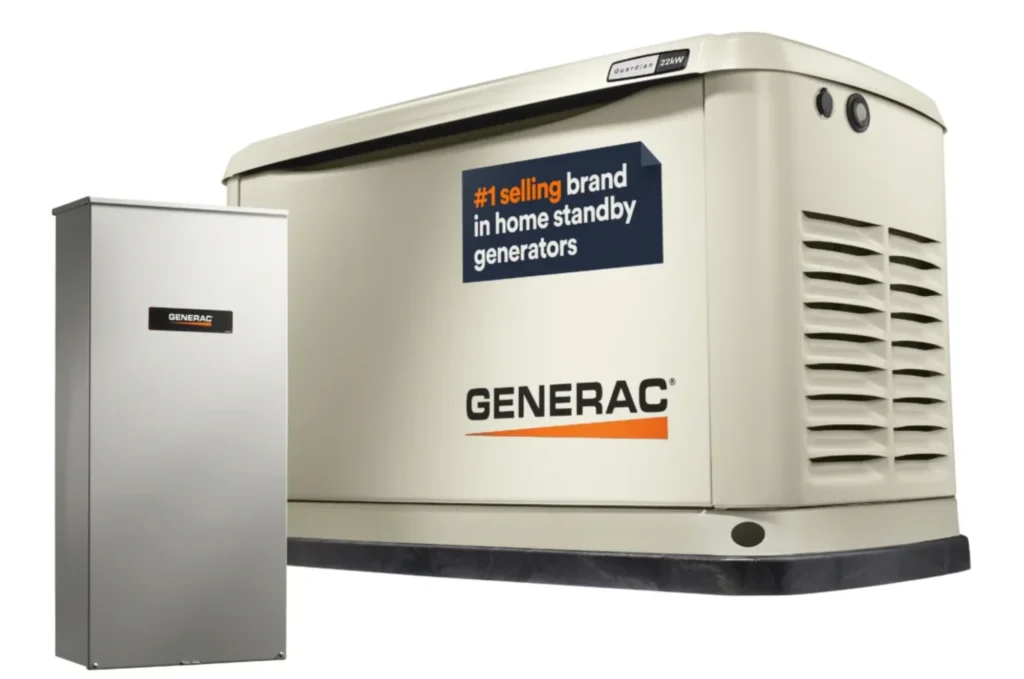
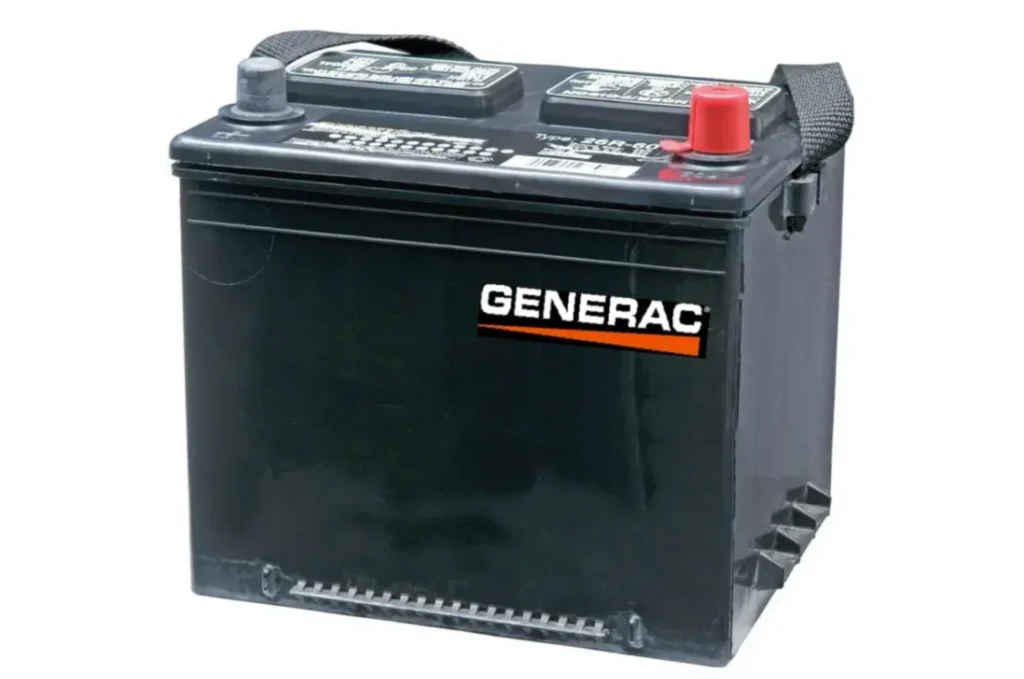
A Generac 22kW generator commonly uses a 12-volt Group 26R battery, but owners should confirm the manual for their exact model. Some units may have different requirements based on year, configuration, or local installation details.
Using the wrong battery can cause starting problems or fit issues. It can also affect service access and cable connection quality.
How Much Does a Generac Generator Battery Cost
A replacement Generac battery often costs $100 to $250. Total cost can be higher when testing, service labor, disposal, and inspection are included.
The question “How much does a Generac generator battery cost?” should be answered with both parts and labor in mind. A low battery price does not always reflect the full cost of service.
Battery Price
A replacement Generac generator battery usually costs $100 to $250. The final price depends on the battery size, rating, brand, and type needed for your generator model.
A high-quality battery may cost more upfront, but it can support more consistent starting performance and reliable operation.
Installation Cost
Professional installation may cost about $150 to $300, depending on access, testing needs, and whether the charger, terminals, or controller also need inspection.
For an exact quote, the customer should contact Grounded Electric. They can review the system based on the generator model, battery condition, charger status, and site conditions.
Generac Battery Maintenance Tips
Regular maintenance helps protect battery performance and reduce the risk of unexpected startup failures. It also helps catch small issues before they affect backup power and provides greater peace of mind during storms, utility outages, and other emergencies.
Useful maintenance habits include:
- Inspect the battery once or twice per year
- Keep terminals clean and tight
- Watch for controller alerts
- Replace aging batteries before failure
- Test the battery before storm season
- Follow the generator manual
A battery that is close to 5 years old should receive closer attention. Even if it still works, its reserve strength may be lower than expected.
Homeowners can also review the typical manual maintenance cost for a Generac generator when planning yearly service.
When to Call an Electrician
Call a licensed electrician if the generator shows battery warnings, slow starts, repeated charging problems, or visible battery damage. You should also request service if the generator fails an exercise cycle or does not start during a test.
Generator batteries connect to a larger electrical system, so safe evaluation matters. Robert “Bobby” Mulholland brings over 30 years of field experience to Grounded Electric’s work. This supports accurate diagnosis when battery problems involve wiring, charging, or equipment setup.