



Generators can last for many years. Their lifespan depends on runtime hours, fuel type, load demand, installation quality, and service history. In practical terms, maintenance hours for generator life expectancy mean how long a unit can run before it needs service. Major repair or replacement may also be required.
Grounded Electric works on home and business systems where generator plans must meet safety rules, code requirements, and maintenance needs. A well-sized and maintained generator can perform longer and reduce avoidable wear and tear.
Key Takeaways
- Generator lifespan depends on runtime hours, fuel type, load demand, installation quality, and maintenance history.
- Portable generators often last 1,000 to 2,000 hours, while diesel generators can last 10,000 to 30,000 hours with proper maintenance.
- Most generators need service once per year or every 100 to 200 operating hours, depending on model and use.
- Regular maintenance helps reduce wear, catch early problems, and extend the life of the generator.
- Replacement may be needed when repairs become frequent, parts are hard to find, or power output becomes unsafe.
How Long Do Generators Last?
How long do generators last depends on the unit type and how often it runs. Standby generators often last 20 to 30 years when installed correctly and serviced on schedule. Diesel units may last longer in operating hours, especially in commercial use.
A generator’s lifespan should be measured in both years and hours. A unit used only during outages ages differently from one used for long periods at job sites or facilities. Runtime, load, fuel quality, and regular maintenance all matter.
Generator Lifespan by Hours and Years
Many diesel generators can last 10,000 to 30,000 hours with proper maintenance. Smaller portable generators may have a shorter lifespan because they are often air-cooled and exposed to harder use. A high-quality standby unit usually lasts longer when it runs within its designed load range.
Is 500 Hours on a Generator a Lot?
For standby generators, 500 hours is not usually high if the unit has received routine maintenance. For portable generators, 500 hours can matter more, depending on care, load, and storage. Service records matter more than hours alone.
Generator Lifespan by Type
Different types of generators have different expected lifespans. Fuel type, engine design, cooling method, and use pattern all affect service life.
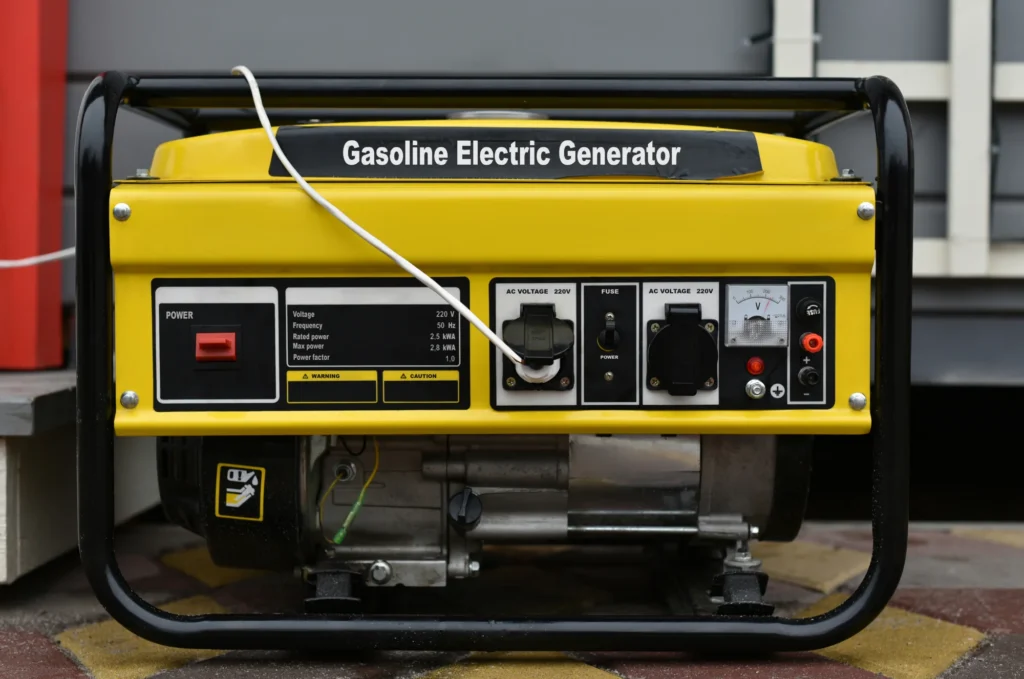
- Portable generators often last about 1,000 to 2,000 hours, or about 5 to 10 years with occasional home use.
- Standby generators often last 20 to 30 years when installed correctly and serviced on schedule.
- Diesel generator life expectancy typically ranges from 10,000 to 30,000 hours, as diesel engines are built for heavy-duty operation.
- A natural gas generator may last 20 years or more with proper maintenance, clean operation, and regular inspections.
Generac standby units often use maintenance intervals based on hours and calendar time. Portable generators are useful for temporary power, but they usually do not last as long as permanent systems. Standby generators connect to a home or building through approved transfer equipment.
Grounded Electric is Generac Certified, which is relevant when discussing installation and service requirements. Robert “Bobby” Mulholland, a licensed electrician with 30 years in the field, evaluates generator systems with attention to code, load, and site conditions.
Generator Runtime and Fuel Use
Runtime is not the same as lifespan. Runtime refers to how long a generator can run during a single use cycle, while lifespan refers to the total usable life. Fuel supply, load, cooling limits, and maintenance practices all shape runtime.
A gasoline portable unit may run for several hours on one tank. A diesel generator can often run longer on a full tank, depending on the tank size and load. In contrast, Generac’s runtime during outages depends on fuel supply, load demand, and system conditions. A natural gas generator avoids stored-fuel concerns, but it still requires inspection and service.
A generator can run during an outage as long as fuel, oil level, ventilation, and mechanical condition remain safe. Portable units may need cooldown and refueling breaks. Standby systems still require service if outages persist for extended periods.
Generator Service and Maintenance Hours
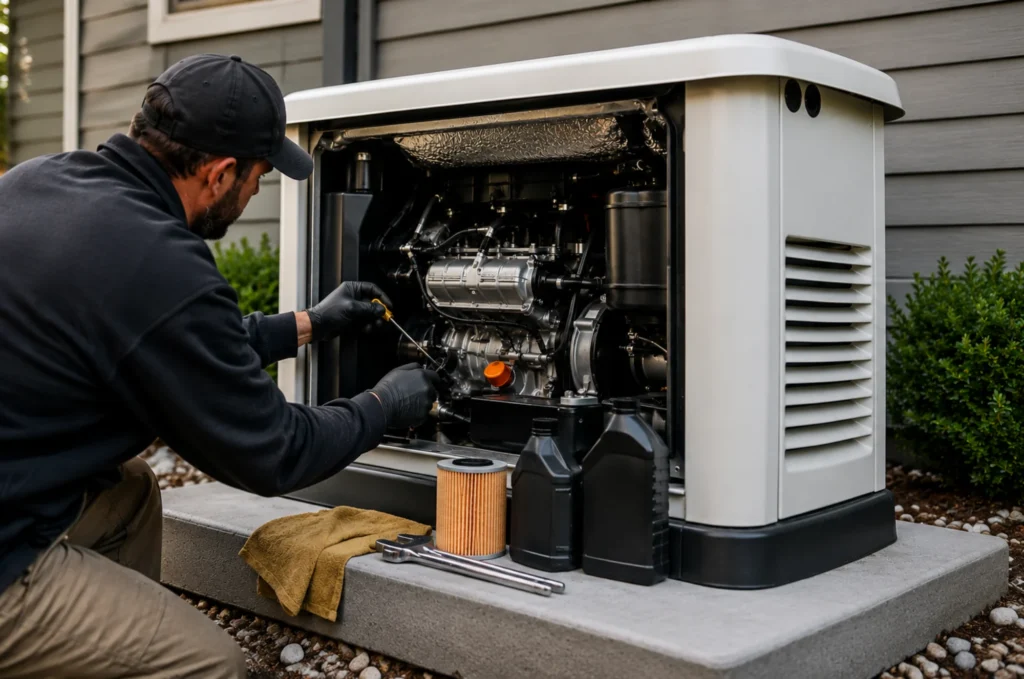
Generator service should follow manufacturer guidance and field conditions. Maintenance practices usually include oil changes, spark plug checks, battery testing, coolant checks, and air filters. A maintained generator is less likely to fail when backup power is needed.
Most generators should receive service at least once per year or after the manufacturer’s recommended operating-hour interval. Units used during long outages, heavy load periods, or frequent exercise cycles may need service sooner. Regular maintenance should include oil checks, air filter checks, battery testing, fluid level checks, and inspections of electrical connections.
- Many generators need service after a set number of operating hours or once per year.
- Heavy use may shorten maintenance schedules.
- The 20 20 20 rule is a simple exercise concept: run the generator for about 20 minutes at a meaningful load at regular intervals.
- Exercise cycles help confirm that the generator starts and transfers power correctly.
- Annual service helps catch worn parts, weak batteries, dirty filters, and fuel issues.
The 20 20 20 rule does not replace the manufacturer’s manual. Barret Abramow, Project Manager and Co-Owner, helps coordinate electrical project details that can affect safe system planning.
What Affects Generator Life Expectancy?
Generator lifespan depends on how the system is sized, installed, operated, and maintained. A unit that is too small may strain under load. A unit that runs too lightly for long periods can also develop problems.
Load size affects engine stress. Generators should support the intended circuits without constant overload, and a generator size chart can help explain how load demand affects sizing. Correct sizing reduces heat, fuel waste, and wear and tear, which can help extend the life of the generator.
Installation quality also affects safety and long-term performance. Transfer switches, grounding, clearance, fuel connections, and wiring must meet applicable electrical and building code requirements. A professional evaluation is required when a generator is connected to a home or commercial electrical system.
Service, Repair, and Replacement Signs
Generators often show warning signs before failure, and understanding common generator problems can help owners identify service needs earlier. These signs may include hard starts, unstable power, unusual noise, smoke, leaks, or frequent shutdowns. Regular maintenance helps identify these issues early.
Portable generators may need replacement when repair costs rise, parts become hard to find, or output becomes unstable. The portable generator lifespan replacement frequency also increases when units run often, sit unused with old fuel, or lack service. Replacement may make sense if the unit no longer supports the required load.
Repair may be reasonable when the engine, alternator, and controls remain in good condition. Replacement may be better when the generator has major engine wear, repeated failures, or unsafe electrical output. A licensed electrician can assess the electrical side of the system.
Code and Safety Considerations
Generator safety includes placement, ventilation, transfer equipment, and fuel handling. Portable generators should never run indoors, in garages, or near openings where exhaust can enter the building. Permanent systems need code-aware installation and inspection.
The phrase generator life expectancy maintenance hours IBC may relate to code research, building requirements, or inspection planning. IBC-related requirements can affect placement, access, protection, and emergency power systems in certain buildings. Local code and manufacturer instructions should guide each installation.
How Grounded Electric Can Help
Generator planning works best when lifespan, maintenance hours, load demand, fuel type, and safety requirements are reviewed together. A licensed electrical contractor can assess whether the generator, transfer equipment, wiring, and service capacity are appropriate for the property.
Grounded Electric’s generator maintenance plans cost about $425 per year on average and include routine checks and emergency support. This helps owners understand maintenance schedules, safe operation, and when repairs or replacements may be needed.