



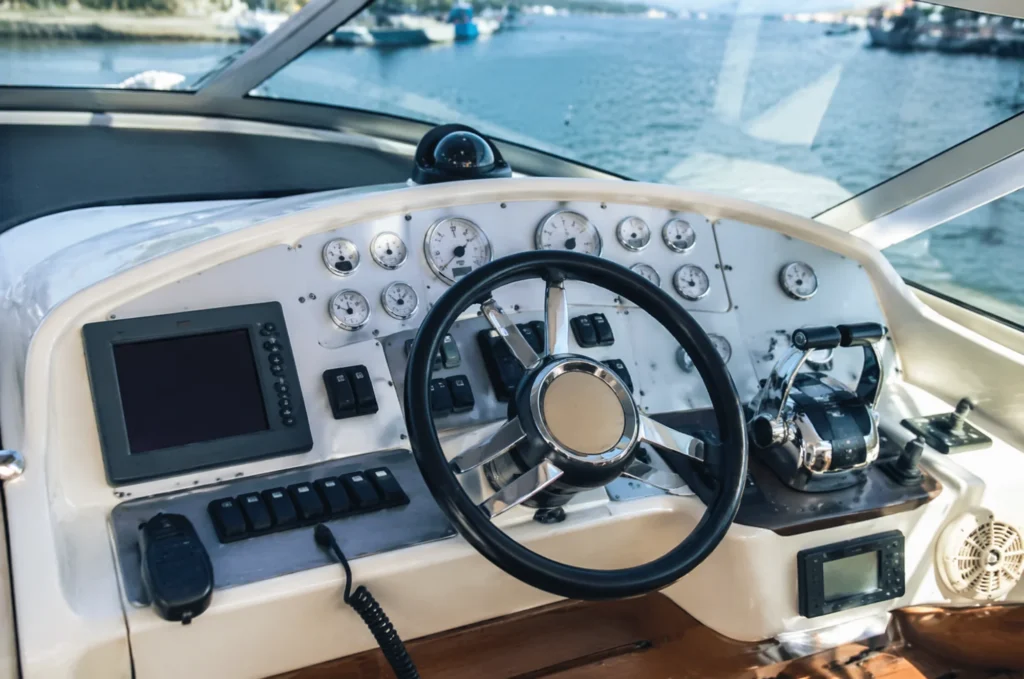
A marine electrician is a trained professional who works with electrical systems on boats, ships, and other water-based equipment.
The role centers on installing, maintaining, and repairing wiring, controls, batteries, panels, and related components used in marine vessels.
Grounded Electric is a licensed electrical contractor, and this article explains its role in clear, factual terms for readers seeking an overview.
Marine electrical work differs from standard building work because moisture, corrosion, vibration, and code requirements change how systems must be planned, tested, and maintained.
Key Takeaways
- A marine electrical technician installs, tests, maintains, and repairs electrical systems on boats, yachts, ships, and other marine vessels. The work often includes wiring, battery systems, charging equipment, navigation devices, and power distribution.
- Marine electrical work differs from standard building work because water, salt, vibration, and corrosion change how systems must be planned, protected, and maintained. Safe work depends on proper testing, correct equipment ratings, and attention to marine-specific standards such as ABYC.
- Training usually starts with a high school diploma, followed by trade school, employer instruction, or apprenticeship-based field experience. The timeline can range from several months for initial training to a few years for stronger hands-on skills and broader responsibility.
- Marine electrician salary in the U.S. can vary by experience, region, vessel type, and job scope. The article notes an estimated annual range of about $54,000 to $59,000, with higher hourly pay possible in advanced or specialty roles.
- A marine electrician should be hired when a vessel shows issues like breaker trips, charging failures, flickering lights, corroded wiring, or planned equipment upgrades. In these cases, the key concern is not just fixing one part, but confirming the full system can operate safely after the change.
Marine Electrician Job Description
A marine electrician installs, inspects, tests, repairs, and upgrades marine electrical equipment. The job can include power distribution, lighting, charging systems, navigation devices, communication units, shore power connections, and safety controls.
In simple terms, the keyword marine electrician refers to a specialist who handles electrical work in marine settings rather than in homes, offices, or factories.
Maritime electricians do more than fix wiring when something stops working. Their role often includes installing new parts, maintaining current systems, and repairing damaged equipment. They also check marine safety compliance, record test results and service work, and coordinate with other technicians.
This broader job scope matters because marine electrical systems are interconnected, and a change in a panel, charger, or control circuit can affect safety, performance, and code compliance throughout the vessel.
Core Duties on Vessels
Daily work often includes reading diagrams, tracing circuits, checking voltage, replacing damaged parts, and confirming equipment works as intended.
Marine electricians often work in tight spaces, around metal structures, and near water, so the process requires careful planning and safe work practices.
A typical task may involve installing wiring for a pump, fixing a breaker issue, or finding electrical problems. These problems may affect lights, alarms, or charging equipment.
Systems They Work On
The scope of work covers
- Boat systems, including battery banks.
- Switch panels.
- Bilge pumps.
- Navigation lights.
- Inverters.
- Chargers.
- Engine-related controls.
On larger marine vessels, the work may also involve distribution panels, emergency power equipment, monitoring devices, and grounding or bonding systems.
A maritime electrician needs to understand how these parts connect so that one repair does not create a new fault elsewhere.
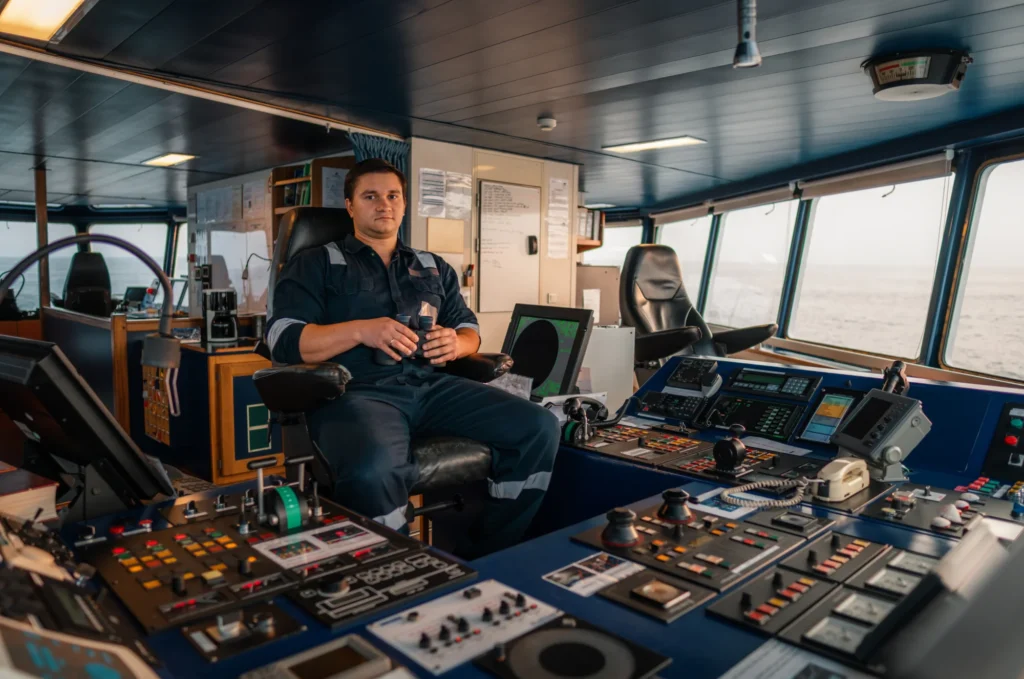
Maritime Electrician Work Areas
The working environment for marine electrical work can change from day to day. One project may take place at a dock, while another may occur in a shipyard, a service bay, or on board during a refit. That setting affects tool choice, access, inspection steps, and the level of weather or corrosion exposure.
Boats, Yachts, and Ships
Smaller boats and private yachts often need service on battery systems, lighting, pumps, and charging setups. Larger ships may have wider system loads, more complex controls, and stricter documentation needs.
This is one reason a search term like “electrician naval” may appear online, even though American English more often uses “marine electrician” or “maritime electrician”.
Marinas and Shipyards
Work in marinas and shipyards usually involves inspection, repair, retrofits, and equipment replacement. Access to shore power, haul-out schedules, and the vessel’s condition can affect the work sequence.
In these settings, ship electricians often work alongside mechanics, fabricators, and yard managers to coordinate safe service steps.
Marine Electrician Training and School
Most entry paths begin with basic education, then progress to technical learning. A high school diploma is often the starting point. Math, reading, and shop basics help with diagrams, measurements, and test procedures. After that, education and training may come from trade schools, employer instruction, or formal marine electrical programs.
For readers comparing entry paths, this guide on how to land an electrician job without a degree adds useful context on education and training options.
Marine Electrician Apprenticeship Options
Apprenticeships can help new workers build practical experience under supervision. These paths often combine classroom study with field tasks such as testing circuits, installing wiring, and learning safe lockout procedures.
Good educational opportunities also teach how marine electrical conditions differ from those in standard residential or commercial work.
How Long Does Training Take
Training requirements vary depending on the employer, the vessel type, and the level of responsibility. In general, a person may need about 6 months to 2 years to complete initial training, and another 1 to 3 years of supervised field experience to handle more advanced marine electrical work with confidence.
A beginner may spend months building basic working knowledge, while a more advanced role can require years of specialized training and hands-on practice. Education and training programs never fully stop because new equipment, code updates, and battery technologies continually change the work.
Skills, Safety, and Standards
This field requires technical skills, patience, and strong safety habits. A Ship electrician must understand current flow, grounding, corrosion risks, load calculations, and the effects of water exposure on conductors and equipment.
Robert “Bobby” Mulholland, Grounded Electric’s licensed electrician, works in a code-aware trade where technical accuracy and safe installation planning matter on every job.

Troubleshooting and Marine Safety
Troubleshooting starts with a simple question: where does the fault begin, and what systems does it affect next? A technician may test continuity, inspect connectors, check voltage drop, and review whether moisture, heat, or movement caused the failure.
Safe marine electrical work also means isolating circuits, confirming equipment ratings, and knowing when hidden damage calls for a wider inspection.
American Boat & Yacht Council (ABYC) and Code Standards
Marine work is not the same as general building wiring because the equipment is exposed to salt, vibration, and constant movement.
That is why standards, manufacturer instructions, and accepted marine practices matter when planning repairs or upgrades. A proper review should address conductor sizing, overcurrent protection, bonding, battery ventilation, and the safe layout of electrical systems.
Marine Electrician Salary and Career Path
Pay and job growth depend on skill level, region, vessel type, and employer needs. Wages vary depending on experience, certifications, travel demands, and whether the work centers on service, construction, or specialty systems.
Compensation may also include benefits such as health insurance, retirement plans, overtime, or tool allowances.
How Much Do Marine Electricians Make in the US?
In the U.S., marine electrician salaries typically range from $54,000 to $59,000 per year. Entry-level roles may start closer to $16 to $23 per hour, while experienced marine electricians in higher-paying markets or specialty roles may earn $29 to $47 per hour or more.
Civilian and Military Career Options
Civilian jobs exist in marinas, shipyards, boat-building, repair companies, transport operations, and contractors serving waterfront properties or fleets. Military paths are separate and usually follow their own training standards, duties, and assignment structure.
Barret Abramow, Project Manager and Co-Owner at Grounded Electric, works in the civilian electrical sector, where project coordination and field conditions shape how technical crews plan and complete work.
When to Hire a Marine Electrician
A specialist is useful when a vessel shows repeated breaker trips, battery-charging failures, corroded wiring, flickering lights, or equipment that works only intermittently.
Professional evaluation is also important before adding large loads such as chargers, inverters, pumps, or navigation upgrades.
In those cases, the issue is not only the quality of the repair but also whether the entire system can safely support the change.
Why the Right Expert Matters?
Marine electrical systems face harsher conditions than those in most buildings. Mistakes can cause fires, electric shocks, corrosion, or equipment failures.
A qualified specialist has practical knowledge of marine layouts, safe testing methods, and each component’s limits. That matters most when the vessel has old wiring, unclear changes, or signs that it needs a full inspection first.