




Grounded Electric works with generator systems in which runtime plans must address safety, load sizing, and code-compliant connections. In general, a properly installed Generac standby generator can provide backup power during outages if it has fuel. It also needs good ventilation and regular maintenance.
Key Takeaways
- A Generac home standby generator can run for several days or longer with a steady fuel supply, proper airflow, and regular maintenance checks.
- Generator runtime depends on the model, fuel source, fuel supply, electrical load, and operating conditions during an outage.
- Natural gas units may run longer if utility service stays active, while propane and gasoline models depend on tank size and refueling access.
- Large loads like HVAC systems, well pumps, sump pumps, and major appliances can shorten runtime because the generator has to work harder.
- Regular maintenance, oil checks, clean air filters, and proper transfer equipment help protect safe operation during extended power outages.
How Long Can a Generac Run Continuously
A Generac generator can run continuously with a steady fuel supply, adequate airflow, and proper operating conditions.
Standby units are built for longer outage support, while portable units usually need refueling after several hours. The key question is not just how long a Generac unit can run. It is also whether it can run safely under the home’s actual load.
Can It Run 24 Hours a Day
A standby generator can run 24 hours a day during an outage. It needs steady fuel and basic checks.
Generac generators are designed for emergency backup use, but continuous operation still creates heat. It increases oil demand and causes wear and tear.
Robert “Bobby” Mulholland, Grounded Electric’s licensed electrician, reviewed this topic from the standpoint of safe load planning, maintenance access, and electrical system protection. He treats long runtime as both an electrical and maintenance issue because safe operation depends on more than the engine.
Generac Generator Run Time by Fuel
Generac generator runtime depends heavily on the fuel type. Fuel affects how long the generator can operate, how often it needs refueling, and how practical it is during long outages. The main fuel sources are natural gas, propane, and gasoline for portable models.
- Natural gas can support several days or longer if utility service remains active and the unit receives required checks.
- A 100-gallon propane tank may run roughly 1 to 2 days under moderate load.
- A 250-gallon propane tank may run roughly 2 to 4 days under moderate load.
- A 500-gallon propane tank may run roughly 5 to 7 days or longer under moderate load.
- A portable unit on a full tank of gas usually runs about 6 to 18 hours, depending on tank size and load.
- A portable unit on 5 gallons of gas may run about 8 to 12 hours under lighter use, but less under heavy demand.
Cold weather can affect propane delivery, so tank placement and system planning matter. Gasoline storage also requires care, as old fuel can reduce performance and cause starting problems. For any fuel source, the exact run time depends on the unit, connected load, tank capacity, and operating conditions.
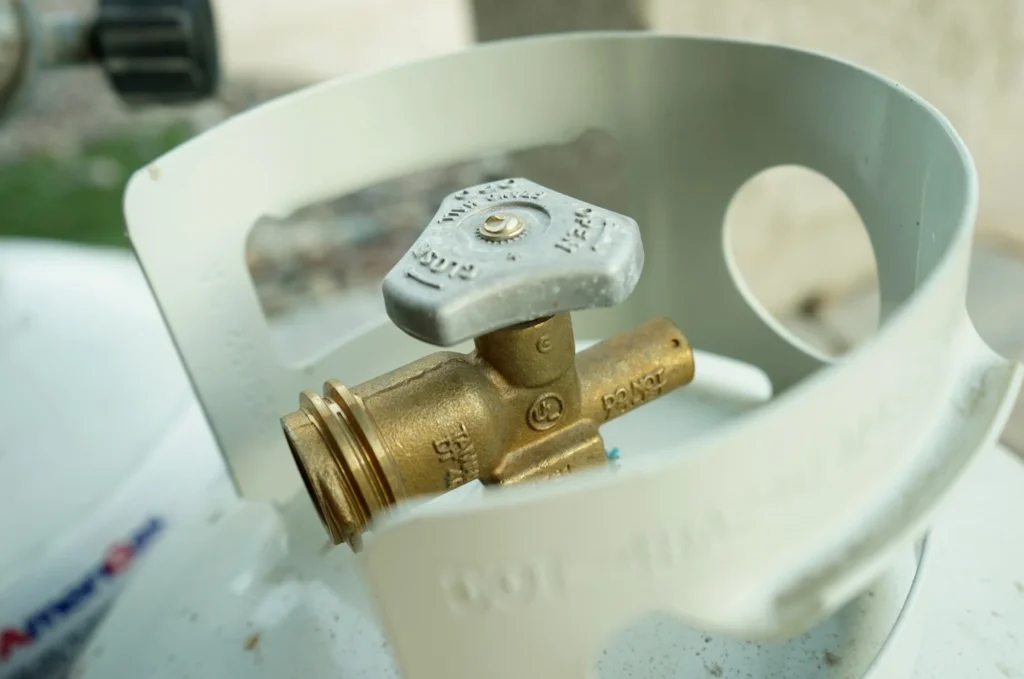
Standby vs Portable Generac Runtime
Standby and portable generators serve different needs. A standby unit starts automatically, connects through a transfer switch, and supports selected circuits or whole-house loads. A portable unit needs manual setup, outdoor placement, fuel refills, and the correct connection equipment.
A standby unit is often better for long outages because it can connect to natural gas or propane. A Generac generator can run longer in this setup as long as the load stays within the unit’s rated capacity.
Portable generators are limited by their onboard fuel tanks. Never connect them to a home panel without proper transfer equipment.
Runtime During a Power Outage
Runtime during a power outage depends on both the generator and the home’s electrical demand. A generator powering lights, refrigeration, internet equipment, and a few outlets will run differently from one supporting HVAC, pumps, and multiple large appliances.
Barret Abramow, Project Manager and Co-Owner at Grounded Electric, helps coordinate planning where load needs, equipment access, and service logistics affect safe generator use.
Useful load questions include:
- Which circuits need backup power during an outage?
- Will the generator support HVAC or only essentials?
- Does the home have a well pump, sump pump, or medical equipment?
- Is the generator sized for starting watts, not only running watts?
Fuel access becomes more important as the outage continues, and proper sizing affects runtime, so homeowners may need to understand which Generac size is right for them.
Natural gas may support longer use if the utility line stays active, while propane tanks provide a fixed amount of stored fuel. Gasoline units require safe fuel storage and refueling, which can be difficult during storms.
Maintenance During Extended Runtime
Regular maintenance protects the generator during long outages. Oil level, air filters, spark plugs, battery condition, and cooling airflow all affect generator performance under stress.
A generator that runs for long periods without inspection may overheat, shut down, or experience engine wear. For extended outage use, Generac guidance states that an air-cooled home standby generator should be shut down every 24 hours to check oil levels.
Oil checks matter because extended runtime increases heat and friction. Air filters also need attention because blocked airflow can reduce combustion quality and strain the system.
Generac also states that engine oil should be changed at a minimum every 2 years, regardless of run hours. However, the exact maintenance schedule should always follow the owner’s manual for the specific model.
Homeowners should follow the manufacturer’s service guidance and have a qualified technician evaluate the wiring, transfer switches, or fuel connections.
Generac Generator Lifespan
Generac generator lifespan refers to the expected service life of the equipment, not a single outage runtime. The life expectancy of Generac generator systems often depends on usage hours, climate, load demand, maintenance history, and installation quality. A well-maintained standby unit may last 20 to 30 years under suitable conditions, but this is not a guarantee.
Long-term reliability depends on proper sizing, clean airflow, fuel quality, and service timing. Heavy loads, poor airflow, skipped service, corrosion, repeated overloads, and harsh environmental conditions can shorten lifespan.
Grounded Electric is Generac Certified, which is relevant when system setup, maintenance access, and manufacturer requirements need to be considered together.
Disadvantages of a Generac Generator
A Generac generator can provide peace of mind and reliable power during outages, but it also has limits. It needs fuel, space, regular maintenance, proper installation, and safe exhaust clearance. It can also create noise, service costs, and ongoing upkeep needs.
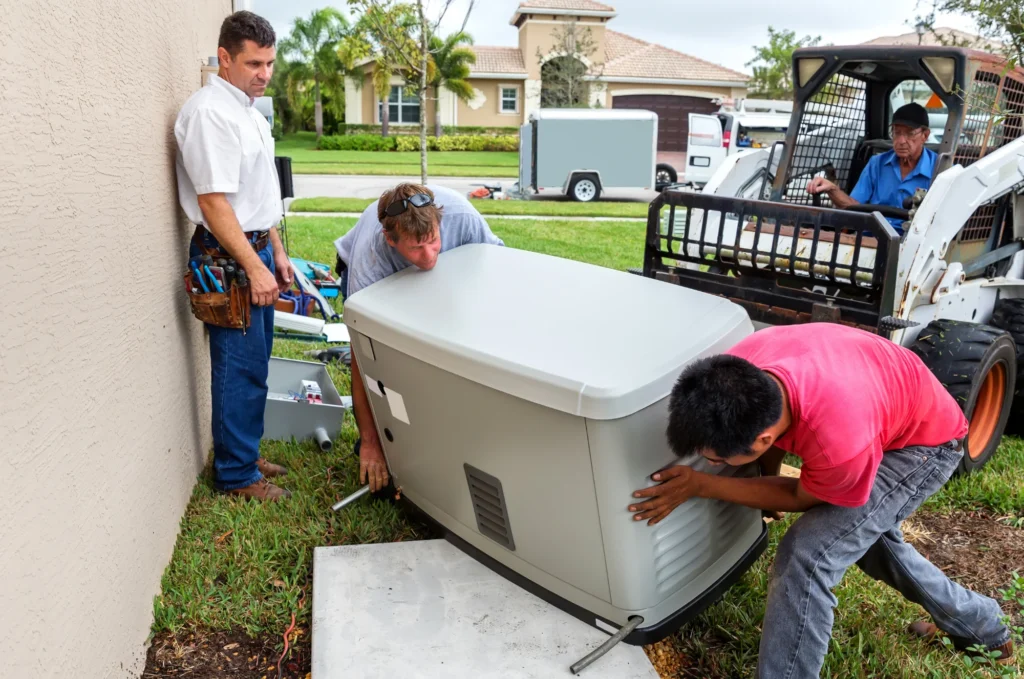
When to Call a Licensed Electrician
Call a licensed electrician when generator sizing, transfer switch wiring, panel connections, load management, or code compliance is involved.
Electrical mistakes can damage equipment and create unsafe conditions for the home, utility workers, and occupants. A code-aware review helps confirm the right setup for safe backup power and practical generator use.