


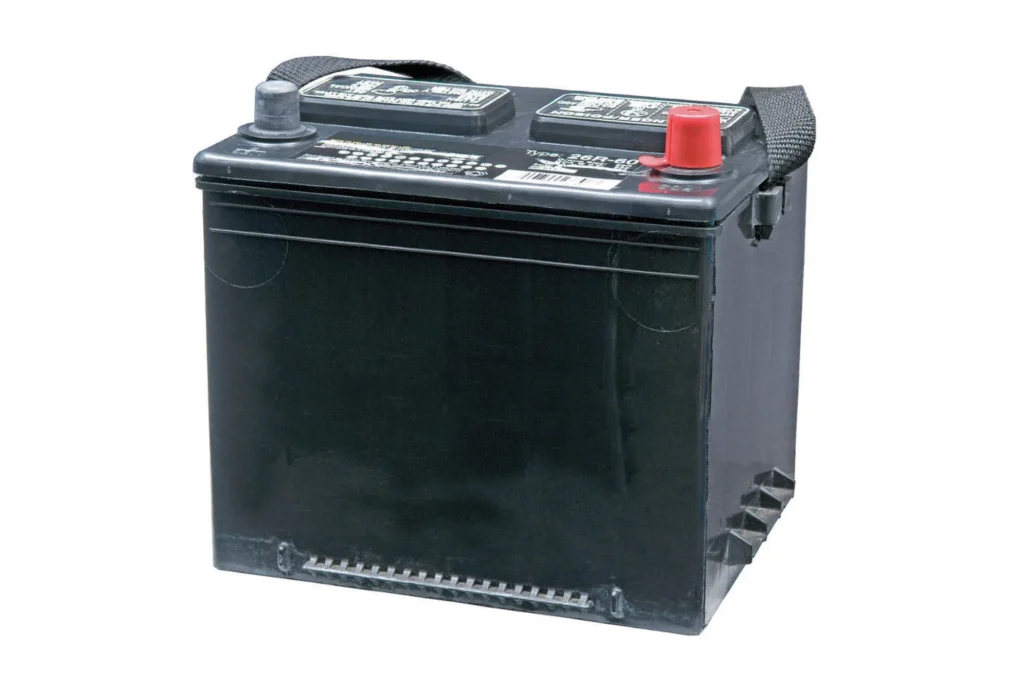
A standby battery doesn’t power your house directly. It starts the engine and keeps the control board alive between cycles, which is a separate question from how to hook up a generator to your house for whole-home backup.
Grounded Electric is a Generac Certified electrical contractor. They work on these systems often. Battery age is a common reason a generator won’t start when power goes out.
Key Takeaways
- A Generac generator battery typically lasts 3 to 5 years, but heat, storage conditions, and how often the unit runs its weekly exercise cycle can shorten or extend that range.
- Battery type matters a lot. Flooded lead-acid batteries last 2 to 3 years, AGM batteries run 3 to 5 years, and lithium-ion options can go 5 to 7 years.
- Slow cranking, frequent low-battery alerts, corrosion on the terminals, or a voltage reading under 12.4 volts are all signs a battery is close to failing.
- The generator’s built-in charger keeps the battery topped off during exercise cycles and real outages, so charger problems like a blown fuse or a loose connector can drain a healthy battery just as fast as a dying one.
- A replacement battery costs between $100 and $300, and a licensed electrician should get involved when charger faults or inconsistent starts point to a wiring issue a basic battery test won’t catch.
How Long Do Batteries Last on a Generac Generator
So how long does a Generac battery last, exactly? Most Generac generator batteries ship as lead-acid units rated for 3 to 5 years of normal use. That’s an average, not a promise.
Battery average life standby ratings assume normal storage and regular testing, so a battery baking in a hot garage or getting worked hard through frequent power outages is going to wear out faster than one sitting in a cool space that barely gets called into action.
Generac Generator Battery Life Chart by Type
The type of battery you’ve got changes the math quite a bit. Here’s a quick breakdown:
- Flooded lead-acid: 2 to 3 years, cheapest option, needs regular fluid checks
- AGM (sealed lead-acid): 3 to 5 years, low maintenance, handles vibration better
- Lithium-ion batteries: 5 to 7 years, costs more up front, holds up through more charging cycles before it starts to fail
You don’t see lithium-ion batteries in every standby generator yet, but they’re showing up more in newer, high-quality models built for the long term. If you’re weighing your options, battery capacity and charging cycles on the spec sheet tell you more than the price tag does.
What Generac Recommends for Replacement
Generac’s own advice is to replace the battery every 3 to 5 years, regardless of whether the unit still starts. A battery can pass a basic check one month and quit the next, especially after months without a real load test. Sticking to the manufacturer’s schedule beats finding out the hard way that the battery already gave up.
What Affects Battery Life and Causes Early Failure
How long does a generator battery last once you factor in real-world conditions? Lifespan depends on three things: heat, use, and upkeep.
Extreme heat is one of the fastest ways to wear down a battery, since high temperatures accelerate the chemical reactions inside the cells. Cold weather causes a different headache.
It slows the reaction needed to deliver power, which can leave you with a weak start on the coldest night of the year, right when you need backup power most.
Usage, Storage, and Charging Habits
A generator left idle for months can lose charge. Without a maintainer or a working charging system, a battery can self-discharge during long-term storage and end up too weak to crank the engine once the power actually goes out.
Weekly exercise cycles, the short test runs most standby units do on their own, keep the battery topped off and give you an early heads up if battery performance is starting to slip.
Proper care also means checking the terminals for corrosion. Internal corrosion on the posts increases resistance in the connection, which can look exactly like a dying battery even when the cells inside are fine. Cleaning the terminals takes maybe five minutes with a wire brush and a pair of gloves.
Signs Your Battery Is Dying
A handful of warning signs point to a battery on its way out:
- Slow or hesitant cranking when the generator tries to start
- Frequent low-battery alerts on the panel or in the Mobile Link app
- Visible corrosion, swelling, or cracking on the case or terminals
- A voltage reading under 12.4 volts before a scheduled exercise cycle
Any single one of these doesn’t automatically mean you need a new battery. Two or more showing up together usually does.

Does a Generac Generator Charge the Battery While Running
Yes. Generac standby units have a built-in charger. It keeps the battery charged during weekly exercise cycles. It also charges while the generator runs during a real outage.
The charger operates independently of the engine’s starting system, so a problem with one doesn’t always indicate a problem with the other.
Common Battery Charger Problems and Fixes
A charger that’s not doing its job will drain a battery even if that battery is otherwise healthy. Common culprits include a blown fuse in the charging circuit, a loose connector at the controller, or a charger board that’s failed outright.
Robert “Bobby” Mulholland, Grounded Electric’s licensed electrician, says to test the charger output first. This finds the real issue faster than replacing the battery and hoping it works.
How to Inspect and Clear the Battery Alert
Generac units show an INSPECT BATTERY reminder on a set schedule, usually once a year, whether or not the battery actually needs attention. Clearing it means doing a physical inspection, not just tapping the alert away on the panel.
Steps for Next Generation and Guardian Series Units
The steps shift a bit by model, and the parts involved are specific enough that it helps to know what you’re looking at before you start.
On Next Generation Series units, you’ll shut off the unit, lift the lid, and pull the front panel. From there, you remove the 7.5A fuse from the control panel and take off the intake side panel.
Inside, you’ll find the J6 connector, a two-wire plug at the controller that carries the battery charger’s AC input. Disconnecting it lets you get to the battery terminals and cables to check for tightness and corrosion.
Once you’ve cleaned or tightened what needs it, reconnect the positive cable first, then the negative, plug the J6 connector back in, replace the side panel, and reinstall the 7.5A fuse before pressing AUTO on the controller.
Guardian Series units follow a similar path but with different parts. After shutting the unit off and removing the front panel, pull the 7.5A fuse and the intake side panel, then disconnect the white battery charger cable.
Inspect the battery posts and cables the same way. If the battery is unsealed, disconnect it fully, negative cable first, and check the fluid level, topping off with distilled water only if needed. Reconnect positive, then negative, plug the charger cable back in, and reinstall the panel and fuse.
Once everything’s back together, the alert clears differently depending on the model. On Next Generation units, press AUTO on the controller. On Guardian units, turn the unit off, press Enter twice, then press AUTO. Either way, you can also check the battery voltage directly in the Mobile Link app to confirm the reading before you call it done.
How Much Does a Generac Generator Battery Cost
A replacement battery for a Generac generator typically costs $100 to $300, depending on the type and group size, and it’s worth factoring that into your annual maintenance costs if you’re budgeting ahead.
AGM batteries cost more than flooded lead-acid up front, but they tend to last longer, which evens things out over the battery’s full life. Labor for the swap is usually minor unless something’s going on with the charging system or the cables at the same time.
How to Extend Battery Life
Solid maintenance practices go beyond any specific brand or battery type, and they directly affect generator life expectancy and overall maintenance hours.
Monthly visual checks, clean terminals, and letting that weekly exercise cycle run without interruption all add real years to a battery’s working life. Skipping these steps is one of the most common reasons a battery fails well before it should.
Reliable power during an outage isn’t just about a fresh battery either. The whole setup- charger, cables, transfer switch- needs to work together as one system, or the generator won’t run the way it’s supposed to when you actually need it.
Grounded Electric treats the battery as one part of a larger set of power systems that must all check out together, not as a standalone fix.
When to Call a Licensed Electrician
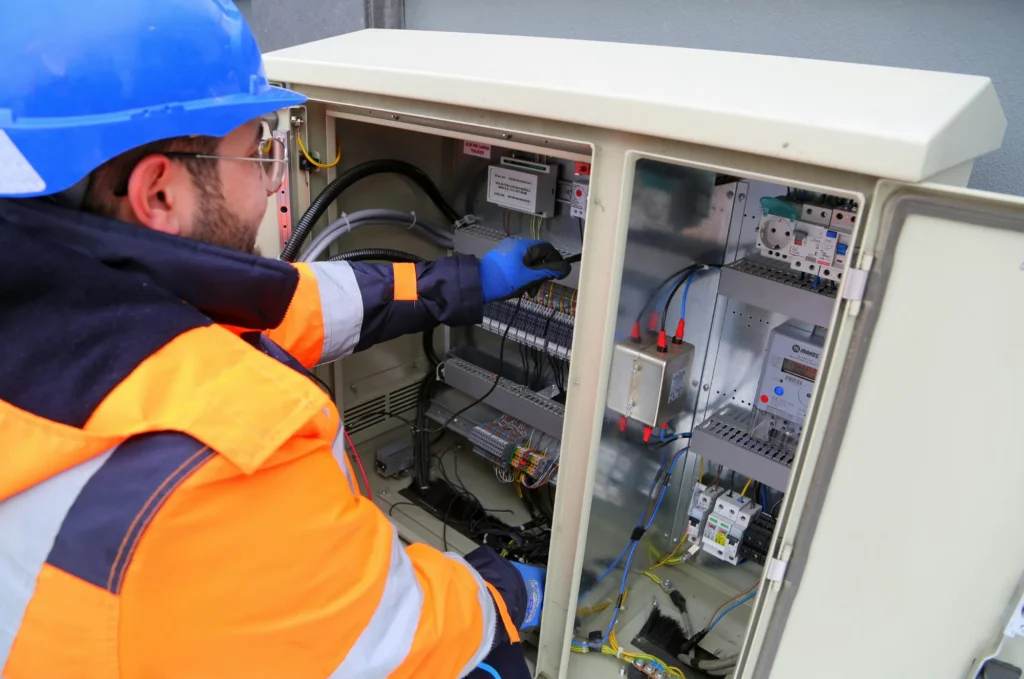
Some problems go beyond swapping out a battery. Barret Abramow is the Project Manager and Co-Owner at Grounded Electric. He says that chargers that keep failing or start unevenly often have wiring problems. A basic battery test may not find these problems.
A licensed electrician can fully check the charging setup, transfer switch, and battery connections. This helps find the real problem before they recommend a fix.