


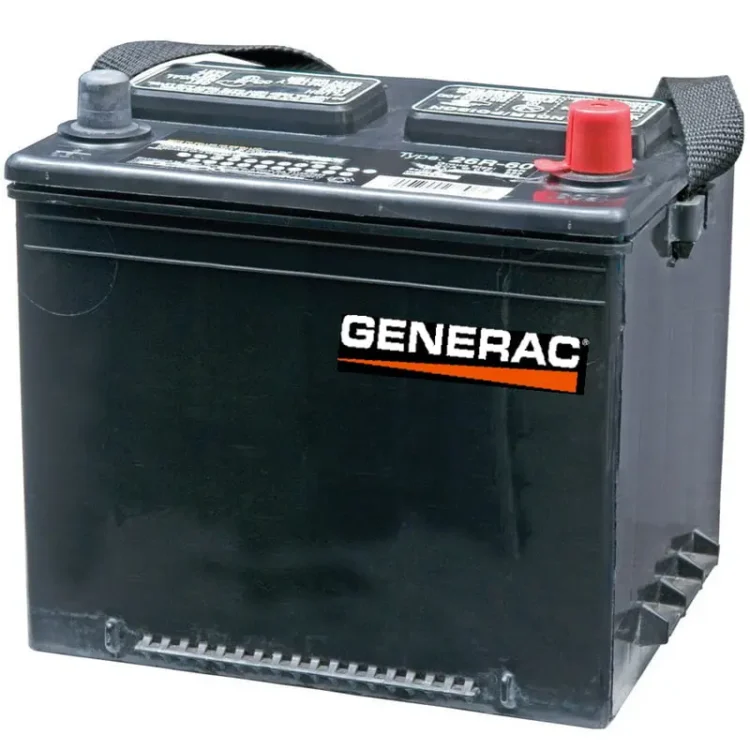
How Much Does a Generac Generator Battery Cost
Homeowners ask this constantly before scheduling a service call. A replacement starting cell usually runs $150 to $250, while a full professional swap with labor lands between $300 and $500. The final price depends on the cell type, your generator model, and whether a technician handles the install.
This guide covers pricing, sizing, warranties, and hands-on tips from Robert “Bobby” Mulholland, a generator certified installer in Bergen County, and project manager Barret Abramow.
Key Takeaways
- A replacement starting cell costs $150 to $250 depending on type (wet cell, AGM, or OEM); a full professional swap with labor runs $300 to $500.
- Older and Guardian series units use a 12-volt Group 26R; newer air-cooled models use a Group 30L AGM.
- Most units keep a starting cell working three to five years, depending on climate and upkeep.
- OEM cells carry a one-year warranty, while some aftermarket brands cover two to three years.
- A standby unit will not start without a healthy cell in place.
What Drives the Price
Price of a Starting Cell on Its Own
A replacement battery for a Generac generator typically costs $150 to $250. The right battery for a Generac generator depends on the model, terminal layout, and cold cranking amps, not just the price tag. OEM versions sit at the higher end but include a warranty; aftermarket options are cheaper, though they must match the exact group size and rating your unit needs.
Labor, Installation, and Service Fees
Professional labor for a swap usually runs $150 to $250. Add parts, and the total replacement lands at $300 to $500. Grounded Electric, led by Bobby Mulholland, handles the work safely and confirms that the charger and terminals are healthy.
Example Models and Price Ranges
| Battery Type | Price | Specifications / Warranty |
|---|---|---|
| 12-Volt 26R | $150 to $200 | 525 to 600 CCA |
| OEM Generac 26R | $180 to $250 | Warranty included |
| Aftermarket 12V AGM | $170 to $220 | Two- to three-year warranty |
What “Battery Backup Cost” Actually Means
Some searchers look up “generac battery backup cost” expecting a standby unit to store household power the way a solar system does. It does not. The starting cell in your unit only cranks the engine and runs the controller; it does not supply power to your home.
If you want stored backup power, that is a separate product, a home energy storage system like the Generac PWRcell, which runs $14,000 or more installed, on top of standby generator installation cost if you do not already have a unit. For a standby system, the cell you are pricing is a starter, so the $150-$250 range applies.
Types and Sizes
Compatibility by Generator Type
Generac battery size depends on your model, not its kilowatt rating. Group size and terminal orientation matter most, since the cell has to fit and seat correctly within the unit. Here is how the common air-cooled types break down:
| Generator type | Cell group and rating |
|---|---|
| Older models | Group 26R, 540 CCA |
| Guardian series | Group 26R 540 CCA, or Group 35 AGM 650 CCA (Evolution controller required) |
| Next Generation Air-Cooled | Group 30L AGM, 400 CCA |
| 7.5 kW PowerPact | Group U1, 12V, 300 CCA minimum |
| Liquid-cooled | Varies; check the spec sheet and manual |
12-Volt and 26R Options
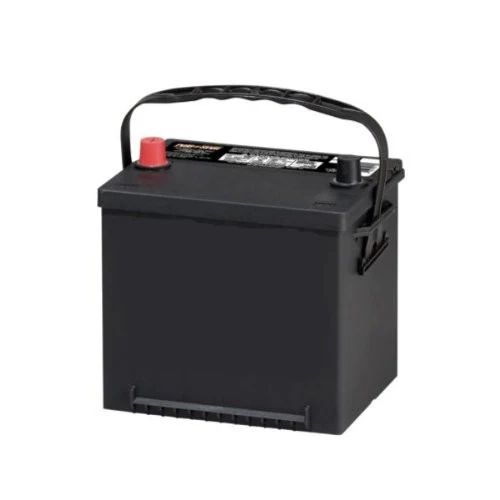
Many older and Guardian series units take a <a href=”https://www.truevalue.com/product/wet-cell-battery-for-generac-air-cooled-standby-generators-26r/” rel=”nofollow”>12-volt Group 26R</a>, which is easy to find at auto parts and hardware stores. Newer air-cooled units moved to the Group 30L AGM, so check the table above before assuming the 26R fits your model.
Replacement Basics
To swap a cell, place the unit in shutdown mode, disconnect the negative terminal first, clean the contacts, then seat and connect the new one (positive first on reconnect). Following a consistent standby generator maintenance schedule that includes voltage testing helps catch a weak cell before it fails mid-outage. Barret Abramow recommends testing at least twice a year.
Generac 22kW Details
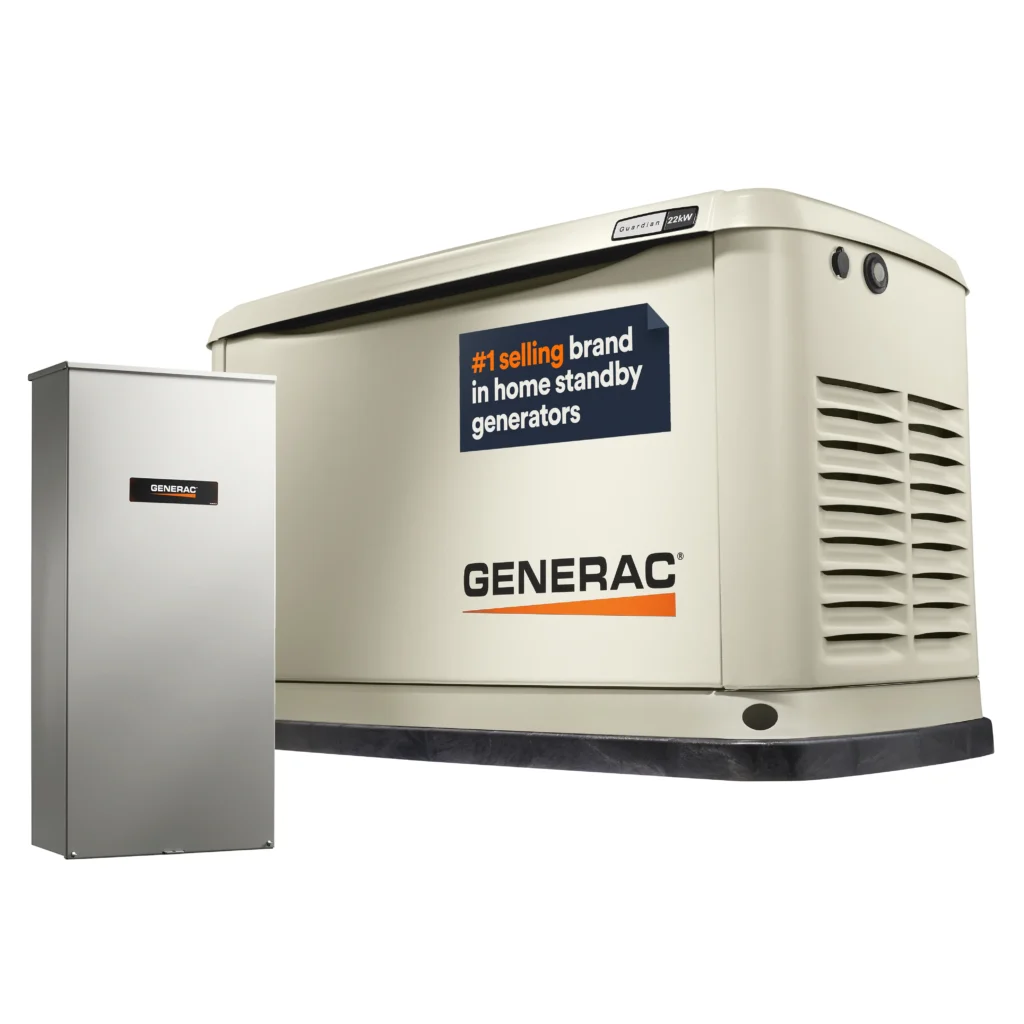
What Size Battery for Generac 22kW Generator
The 22kW model uses a 12-volt Group 26R. Fitting a smaller group size can damage the system and void the warranty, so match the spec exactly rather than guessing from the power rating alone.
Best Cell for the 22kW Model
The OEM 26R is the safest pick for the 22kW unit. It is reliable and warranty-backed. Aftermarket versions can save money, but quality varies, so confirm the CCA rating meets the minimum spec before you buy.
22kW Replacement Pricing
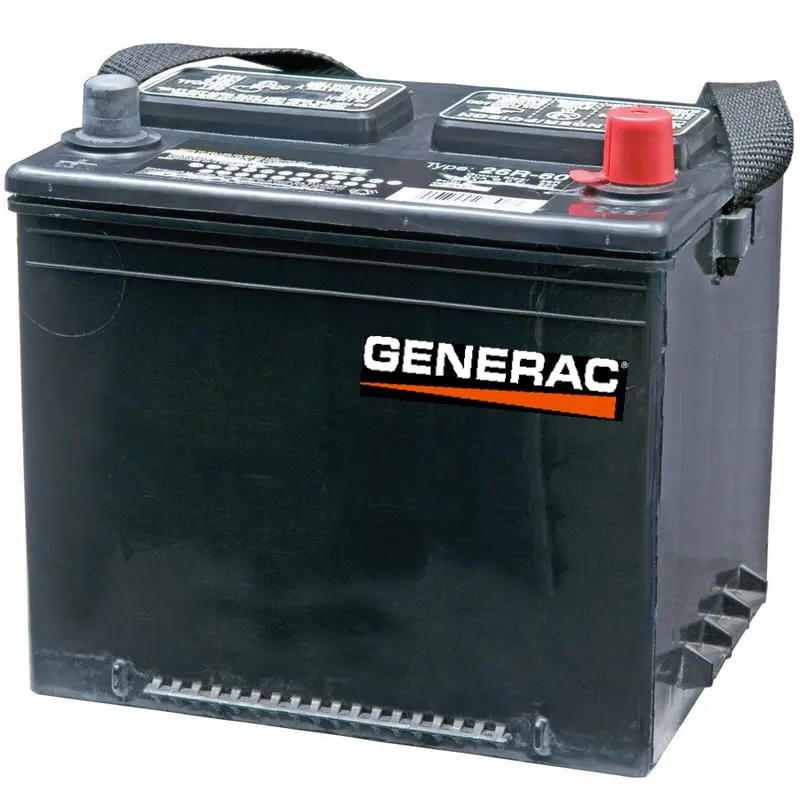
A full swap on the 22kW model typically runs $350 to $500 with labor, slightly higher than smaller units because the OEM 26R sits at the top of the parts price range.
Performance and Generac Generator Battery Life
How Long Does a Generac Battery Last
A starting cell lasts three to five years under normal conditions. Cold snaps, extreme heat, and long idle stretches all shorten that window, so real-world lifespan is a moving target shaped by climate and upkeep rather than a fixed number.
Signs of a Failing Cell
Slow cranking, a low-voltage alert on the controller, dim panel lights, or corrosion at the terminals all point to a cell on its way out. A multimeter reading under 12.4 volts is another clear signal. If the reading falls below 80 percent of the rated voltage, replace it rather than try to nurse it back to health.
Does a Generac Unit Charge Its Own Cell
Yes. Most standby systems include a built-in charger that keeps the cell topped off during the weekly exercise cycle. If that charger fails, even a healthy cell will drain.
Common charger fault signs include a charging fault alert on the controller, a cell reading low voltage despite the unit completing its exercise cycle, and a blown fuse or a loose connector at the charger itself.
In some cases, a failing charger is also why a generator starts then shuts down unexpectedly. If you see any of those signs, testing the cell alone will not tell you the full story; the charger circuit must also be checked.
Operation and Safety
Will a Generac Generator Run Without a Battery
No. A standby unit needs a working cell to start and to run its controller. Even if the engine could theoretically fire, the control board will not allow it.
If your unit will not start at all, the generator won’t start troubleshooting guide covers the full range of causes beyond just the cell.
Risks of Using Car Batteries
A car cell may physically fit, but it self-discharges faster and can void your warranty. Automotive units are built for frequent driving, not for months of standby, so stick with an approved starting cell rated for standby use.
How to Choose the Right Replacement
Finding the Correct Part Number
Check your manual or spec sheet for the exact group size, CCA rating, and part number. The compatibility table above is a useful starting point, but the manual is the authority for your specific model and production year.
OEM vs Aftermarket
OEM cells cost more but guarantee fit and terminal orientation. Aftermarket options are often cheaper and solid, as long as they meet the group size, terminal layout, and CCA specified by the manufacturer. Do not select based on kilowatt size alone.
Warranty and Maintenance Tips
OEM cells usually carry a one-year warranty; some aftermarket brands stretch coverage to three years. Either way, clean the terminals and test the voltage twice a year. If you want to understand how battery replacement fits into the full picture of routine service costs, that guide breaks down what to expect year over year.
Where to Buy
Authorized Dealers and Service Centers
Dealers stock OEM cells and handle installation, which keeps your warranty protection intact. This is the safest route if you are unsure about fit or compatibility.
Online Retailers and Auto Parts Stores
Both OEM and aftermarket cells are widely available online and at local auto parts stores. Confirm the group size and CCA before checkout. If the model details are unclear, a licensed electrician can pull the spec sheet and confirm the right fit before you order.
Keep Your Generac Generator Ready Year-Round
A starting cell more than three years old is worth testing before storm season, not after. Grounded Electric’s licensed team, led by Robert “Bobby” Mulholland and Barret Abramow (NJ License 16590), handles the swap and confirms charger and terminal health at the same visit.
As a certified provider of generator installation in Bergen County, the team knows these systems from setup through long-term upkeep.
For more on the brand, see who makes Generac generators. If you are weighing ongoing operating costs or whether the investment makes sense overall, Generac generators are worth it; they cover the full picture.
Schedule a consultation with Grounded Electric today to keep your system in top shape.
FAQs About Generac Batteries
Can I Use a Car Battery Instead?
Not a good idea. Automotive cells are built for regular driving, not for long stretches of standby, so they lose charge and reliability faster in that role.
How Often Should I Replace It?
Plan on every three to five years. Many owners handle the battery swap alongside other scheduled work, such as an oil change or an annual inspection, so nothing gets missed. A cell that still starts the unit can still fail under load, so age and voltage testing together are a better guide than starts alone.
