


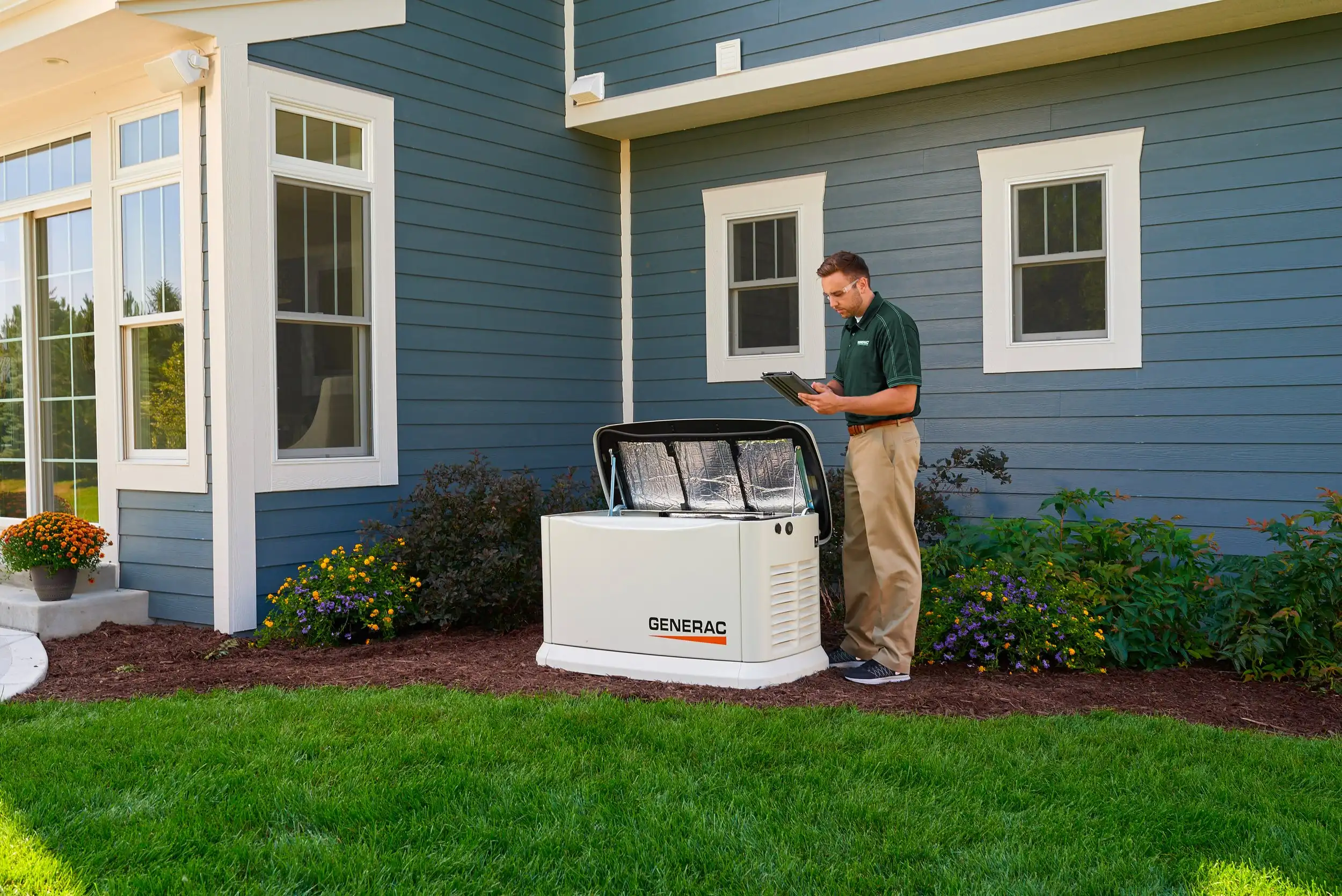
A Generac generator that starts then dies is almost always shutting itself down on purpose. Built-in sensors cut power the moment they read low oil, a stale gas supply, a clogged filter, a weak ignition coil, or a wiring fault.
At Grounded Electric, our licensed team, led by head electrician Robert “Bobby” Mulholland and project manager Barret Abramow, has spent decades resolving these shutdowns. This guide walks through the causes, the checks you can safely run yourself, and when it’s smarter to call a pro.
Key Takeaways
- A backup unit that fires up and then quits is usually responding to an oil problem, a gas supply issue, a wiring fault, a failing ignition coil, or a bad control board.
- Quick checks of the oil, gas, air filters, and spark parts can clear up most shutdowns before you need professional help.
- Model matters. Units like the GP5500 and GP6500 often need targeted checks of the carburetor, gas delivery, or carbon monoxide sensor.
- Wiring, control board, and CO sensor work belong with a licensed technician, not a weekend fix.
- Routine oil changes, filter swaps, and monthly load testing prevent shutdowns in the first place.
Quick-Reference Checklist: Top 5 Things to Check
When your Generac cranks and then quits, start with the basics.
- Confirm the oil level and test the oil-pressure sensor.
- Check the gas supply, including filters and lines.
- Inspect the air filter and carburetor for clogs.
- Confirm the ignition coil and spark plugs are firing.
- Look for damaged wiring or loose connections.
This short list covers the most common triggers and sets up the deeper checks below.
Symptom-to-Cause Diagnostic Chart
Match what your machine is doing to the most likely cause, then start with the check in the last column. This is the fastest way to narrow things down before you pull any parts.
| What the unit is doing | Most likely cause | What to check first |
|---|---|---|
| Fires up, then quits within about five seconds | Low oil, or a false low-oil signal from the pressure switch | Confirm the oil sits at the full mark with the unit on level ground; if oil is fine, suspect the sensor |
| Runs a minute or two, then shuts off | Stale gas, a clogged filter, or restricted gas delivery | Drain old gasoline, swap the fuel filter, check propane or natural gas line pressure |
| Starts, dies, and shows no fault code | Failing control board | Watch the display on shutdown; a silent stop with no code points to the board |
| Stalls the moment a load kicks on | Overload or low gas pressure under demand | Reduce connected load; verify gas-line sizing and the regulator |
| Cranks but never catches | Fouled spark plug or weak ignition coil | Pull the plug, look for oily black deposits, and test for spark |
| Engine runs, but no power reaches the house | Worn brushes or damaged windings | Check voltage output while the engine runs; a drop points to the alternator side |
Why a Generac Unit Shuts Off Right After Starting
A machine that runs for a second or two and then cuts out is usually reacting to low oil, a faulty oil sensor, or a clogged filter. The system powers down on its own the instant a sensor reads an unsafe condition. Keeping up with how often to change your Generac’s oil is one of the simplest ways to prevent the oil-sensor shutdown cycle from ever starting.
Here is the check most people skip: pull the dipstick and confirm the oil sits at the full mark while the unit is on level ground. An uneven pad tilts the oil away from the sensor, triggering a shutdown even when the level is fine.
If oil is correct and it still quits within seconds, the pressure switch may be sending a false signal, which a technician can test and replace. Blocked gas, worn ignition parts, and loose connections cause the same “fires up but won’t stay on” complaint.
Why It Runs for a Few Minutes Then Stops
If the unit holds for a few minutes before shutting down, the problem usually sits further down the fuel or load chain than a sensor fault. Stale gasoline is the single most common cause. Adding a fuel stabilizer during storage prevents old gas from gumming up the carburetor in the first place.
A dirty carburetor, a restricted propane line, or a corroded connector can also stop the engine cold after it has warmed slightly. Load is another frequent trigger. Push the unit past its rated capacity, and it shuts down to protect itself, often the moment a large appliance cycles on. Try disconnecting nonessential circuits, then restart and watch whether it holds.
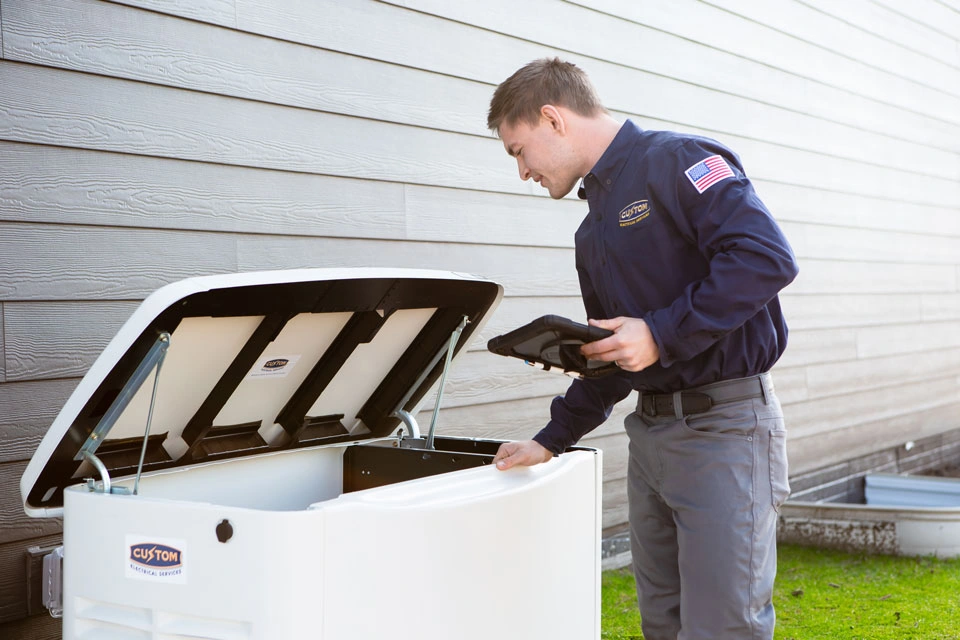
Standby Unit Shutdowns: What Whole-Home Owners Should Check
Whole-house Generac systems behave differently from portable models, and a few standby-only quirks explain most of the shutdowns homeowners report.
The weekly exercise cycle. If your unit fires up on its own for a few minutes each week, that is the self-test, not a fault. Owners often mistake this normal run for a malfunction.
The automatic transfer switch. A misprogrammed or faulty transfer switch can start and stop the engine at odd moments. If the machine cycles on and off with no outage, the transfer switch is a prime suspect. Our common generator problems overview covers transfer switch faults and other non-shutdown issues in more detail.
Gas-line pressure. Standby units need steady gas delivery, and an undersized line starves the engine under load. If your home doesn’t already have a natural gas line run to the generator, verify the line size required or any other fuel-pressure check. Most air-cooled models require natural gas at around 3.5 to 7 inches of water column and propane at around 10 to 12 inches of water column; confirm the exact specs in your owner’s manual.
Cold weather and the battery. Low temperatures sap battery strength, which can cause a weak crank or an early stall. A battery that is three to five years old heading into a cold winter is a common culprit. If yours is in that range, check our guide to replacing a Generac generator battery before the next cold snap.
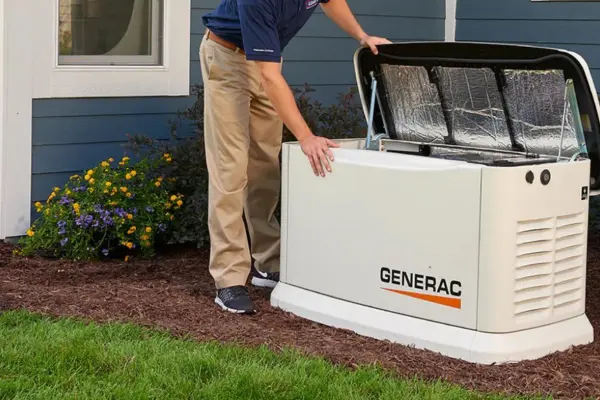
Common Problems Beyond Shutdowns
Some faults sit outside the “quits after starting” pattern but still hurt reliability.
- A dead or weak battery that blocks startup entirely.
- Coolant leaks or low levels that lead to overheating.
- Block-heater failures that disrupt cold-weather starts.
- Worn brushes or alternator windings that cut power output.
Model-Specific Troubleshooting
Generac GP5500 Starts Then Dies
The GP5500 most often trips over old gasoline or a dirty spark plug. Draining stale gas and dropping in a fresh plug clears it up in most cases.
Generac GP6500 Won’t Stay Running
The GP6500 tends to shut off due to a faulty carbon monoxide sensor or a regulator issue. Cleaning the carburetor and testing the sensor usually restores steady running.
Generac GP6500 Troubleshooting Steps
Start with the three fundamentals: gas, spark, and compression. A spark tester and a quick gas check rule out the everyday causes fast.
Generac GP6500 CO Sensor Shutdowns
A failed CO sensor should be replaced, not bypassed. Bypassing it removes a safety layer and exposes you to carbon monoxide. If you want to understand the full risk picture, our guide on carbon monoxide from outdoor generators explains how exhaust travels and why placement matters.
Generac Propane Model Stalls After Starting
Propane models tend to fail when a regulator malfunctions or a supply line clogs. Confirming proper tank pressure and clearing the line usually fixes the stall.
What to Do Next for Each Problem
If your Generac starts, then dies, check gas delivery and the carburetor jets first, then check the wiring if the shutdown continues. For the GP6500, confirm the CO sensor is working; replacement is the only safe path if it is not.
When the problem outlasts these basic checks, stop and call a licensed technician. Control-board and wiring faults in particular can worsen quickly if the unit keeps being cycled.
Other Startup and Power Faults
The Unit Runs for No Clear Reason
Often traced to automatic transfer switch programming, or the normal weekly exercise cycle on a standby unit.
It Won’t Start at All
Usually a dead battery, a failed starter motor, or a gas system blockage. If the unit won’t crank at all, the generator will not start guide walks through each of those failure modes in full.
It Runs but Delivers No Power
The engine turns while worn brushes or alternator windings fail to send electricity to the panel. Our article on generators not producing power covers alternator diagnosis and output testing in detail.
How to Fix a Backup Unit That Keeps Shutting Off
Work through the causes in the diagnostic chart above in order. Most shutdowns resolve at the oil or gas step. If you have cleared all five and the unit still quits, stop and call a licensed technician.
Your owner’s manual includes wiring diagrams and fault flows for your exact model. Most shutdowns trace back to oil, gas, or ignition; the rarer ones involve a control-board fault.

Grounded Electric’s Proven Experience
At Grounded Electric, our team brings decades of residential and commercial work to every call. Robert “Bobby” Mulholland has more than 30 years as a licensed electrician and leads our toughest diagnostic jobs. Barret Abramow pairs a project management background with hands-on technical skills, which keeps our fixes precise and our clients informed at every step.
Professional Help and Prevention
When to Call a Licensed Electrician
Oil, gas, and filter checks are safe for homeowners. A licensed Generac service technician should handle wiring, control boards, and CO-sensor work, since the wrong move here can create a real hazard.
For steady, worry-free power, call Grounded Electric to schedule professional maintenance. You can also review the cost to run a Generac generator to plan for both day-to-day use and upkeep.
Benefits of Professional Service
Licensed technicians run full diagnostics, replace parts, and confirm the unit meets safety codes. That care extends the equipment’s lifespan and reduces your risk of a mid-outage failure.
Preventing Shutdowns With Regular Maintenance
Routine inspections, clean oil and gas, and monthly load testing keep most shutdowns from ever starting. Regular maintenance reduces emergency repairs and keeps your backup power dependable. If you want a full checklist broken down by task and frequency, the standby generator maintenance guide covers annual, quarterly, and monthly service tasks.
Call Grounded Electric to schedule professional maintenance.
FAQ About Generac Generator Starts Then Dies
Why won’t my generator stay running?
Usually a gas blockage, an oil-pressure issue, or a wiring fault. If the basic checks don’t hold, contact a professional. If the unit holds fine but the problem is a persistently delayed shutdown, our article “our generator won’t stay running” covers that pattern in more depth.
Why does my Generac run for a few seconds then shut off?
A sensor is reading an unsafe condition such as low oil, weak ignition, or a clogged gas system. A technician can confirm the deeper faults.
How can I fix a generator that keeps shutting off?
Work through the diagnostic chart above starting with oil and gas. Leave control-board and wiring repairs to a licensed pro.
Is it worth repairing an older Generac that keeps shutting off?
That depends on the unit’s age, the fault, and the repair cost relative to the cost of replacement. Our breakdown of whether Generac generators are worth it covers the cost-versus-value question in detail.
