


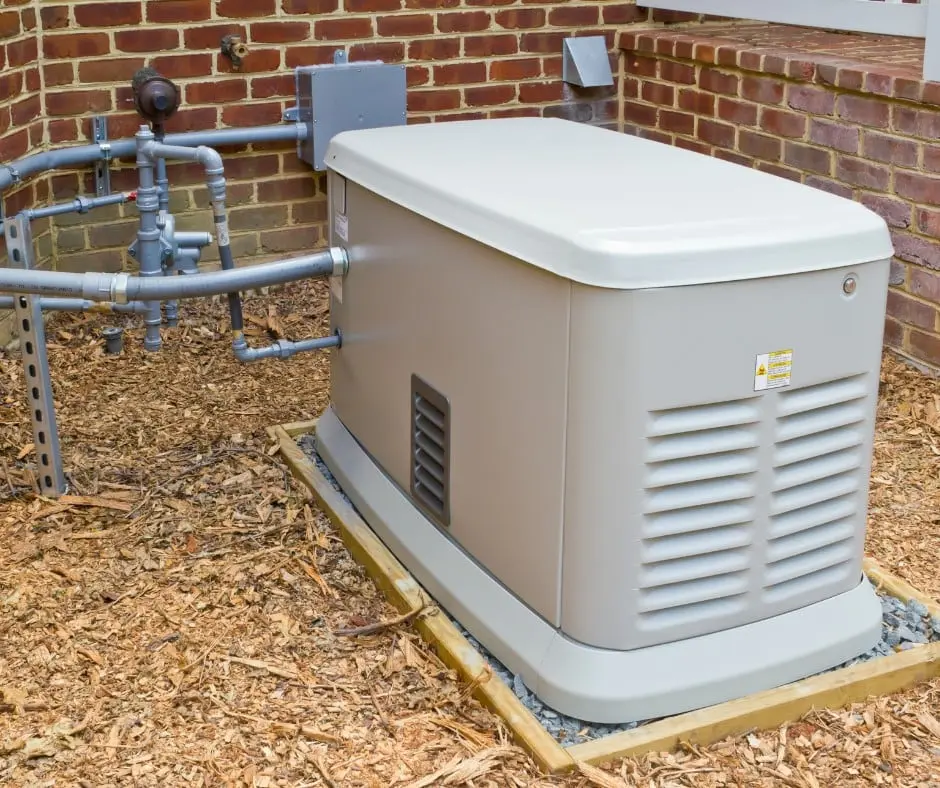
A gas meter upgrade for a generator is sometimes needed, but not in every case. It depends on your home’s total gas use, the generator size, and the capacity of your current meter and service line.
Adding a standby generator increases the demand for natural gas. Older natural gas meters may not be built to handle this extra load.
This decision is based on a load calculation reviewed by the gas utility, not guesswork. Grounded Electric looks at this step early in the planning process to confirm system fit and code compliance.
Key Takeaways
- A gas meter upgrade for a generator is only needed when the generator and gas appliances use more gas than the meter or service line can supply.
- Whether you need a bigger gas meter is decided by a load calculation reviewed by the gas utility, not by generator size alone.
- Gas utilities control natural gas meters and service lines, and approval is required before generator installation can begin.
- Costs and timelines vary by utility, with meter upgrades usually simpler than service line upgrades.
Gas Meter Upgrade for a Generator
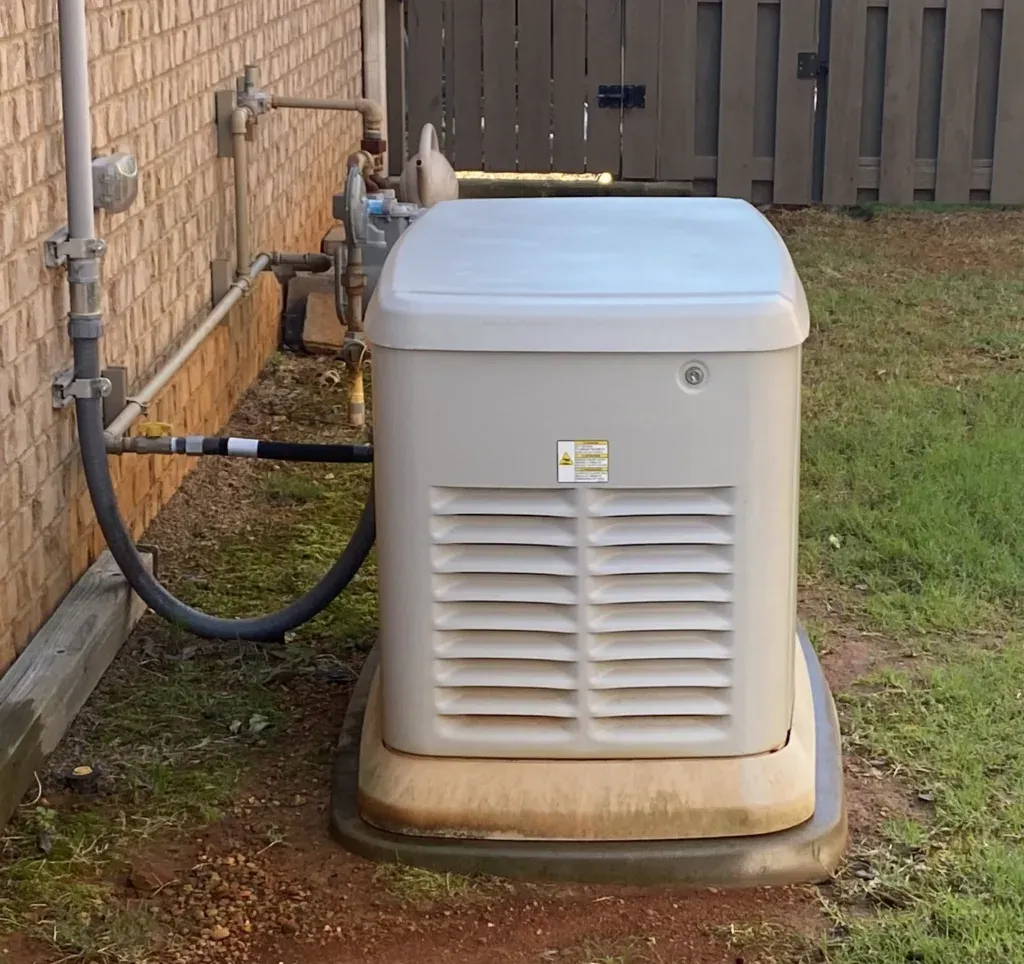
You may need a bigger gas meter for a generator if your current meter cannot supply enough gas. A standby generator adds steady demand to gas appliances like furnaces and water heaters. When total demand is too high, the supply of natural gas can drop below safe levels.
Why generators increase gas demand
Most gas appliances turn on and off during the day. A generator runs nonstop while in use and pulls fuel continuously. This steady draw can exceed what older natural gas meters were built to support. Utilities size meters for peak demand, not average use.
Natural Gas Meter Requirements for a Generator
Natural gas meter requirements for a generator are based on total fuel demand. Utilities add up the BTU ratings of all gas appliances and convert the total into cubic feet per hour. A furnace, water heater, and stove may already use a large share of capacity before a generator is added. This total decides if the meter and service line can support the load.
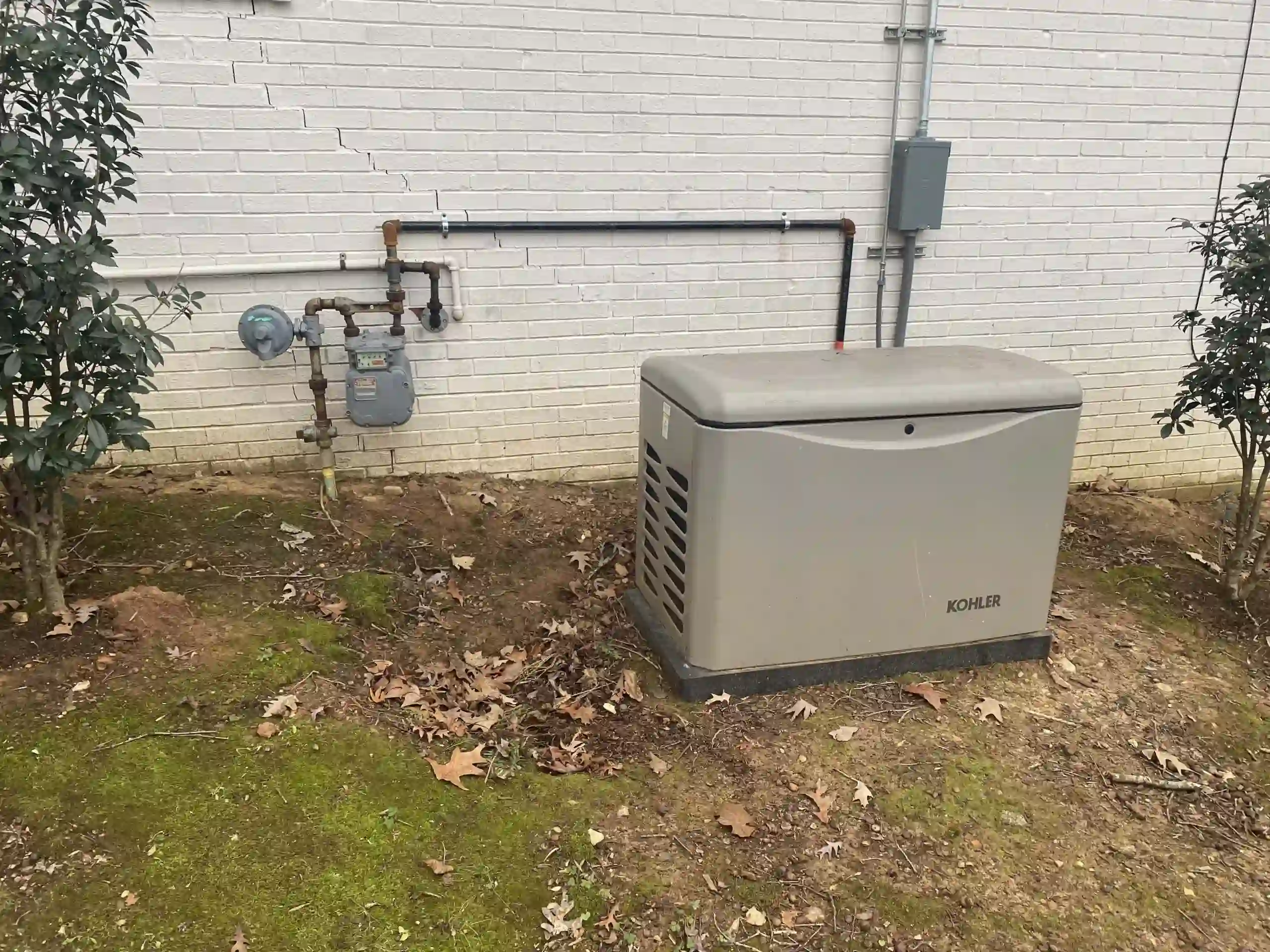
Utilities review both the meter and the service line that feeds the home. If the service line is too small, replacing the meter alone may not solve the issue. Only the gas utility can approve these changes. This protects safety and system pressure across the natural gas service network.
How to Get a Generator Gas Meter Upgrade
The process starts with a load calculation sent to the gas utility. A licensed electrician submits appliance and generator details for review. The utility then decides if a meter upgrade, service line upgrade, or no change is needed. This review must happen before generator installation continues.
Barret Abramow, Project Manager and Co-Owner at Grounded Electric, coordinates this step so utility work and electrical planning stay aligned.
If the system includes a Generac unit, Grounded Electric’s Generac-certified status helps ensure proper documentation. Certification supports accuracy but does not replace utility approval.
Upgrading a Gas Meter: Process and Timeline
Upgrading natural gas meters is the utility’s responsibility, not the electrician’s. The work may involve replacing the meter, upgrading the service line, or both. Timelines range from weeks to months based on permits and local systems. Generator installation may pause until this work is complete.
During this phase, safety checks confirm proper fuel delivery and system operation, including protections such as a generator with a carbon monoxide detector. Utilities control final activation once all requirements are met. This sequencing helps avoid inspection failures.
Upgrade Gas Meter Cost
Upgrade gas meter cost varies by utility and location. Meter changes are often lower-cost, while service line work depends on distance and the amount of digging required. Utilities provide homeowners with cost estimates directly. This keeps pricing clear and regulated.
In addition to gas supply, generator systems also require regular care. This includes items such as a battery for a Generac generator, which must be checked during routine standby generator maintenance.
Over time, a replacement battery for Generac generator units is needed to ensure reliable startup. Fuel delivery and electrical readiness should be planned together for safe operation.
Plan Your Next Steps
If you are preparing for a generator installation, a consultation with Grounded Electric can help confirm gas meter requirements and utility steps.
Grounded Electric can review load calculations, timing, and ongoing needs, such as generator maintenance in NJ, to ensure the plan remains accurate. This helps avoid delays before installation begins.
