


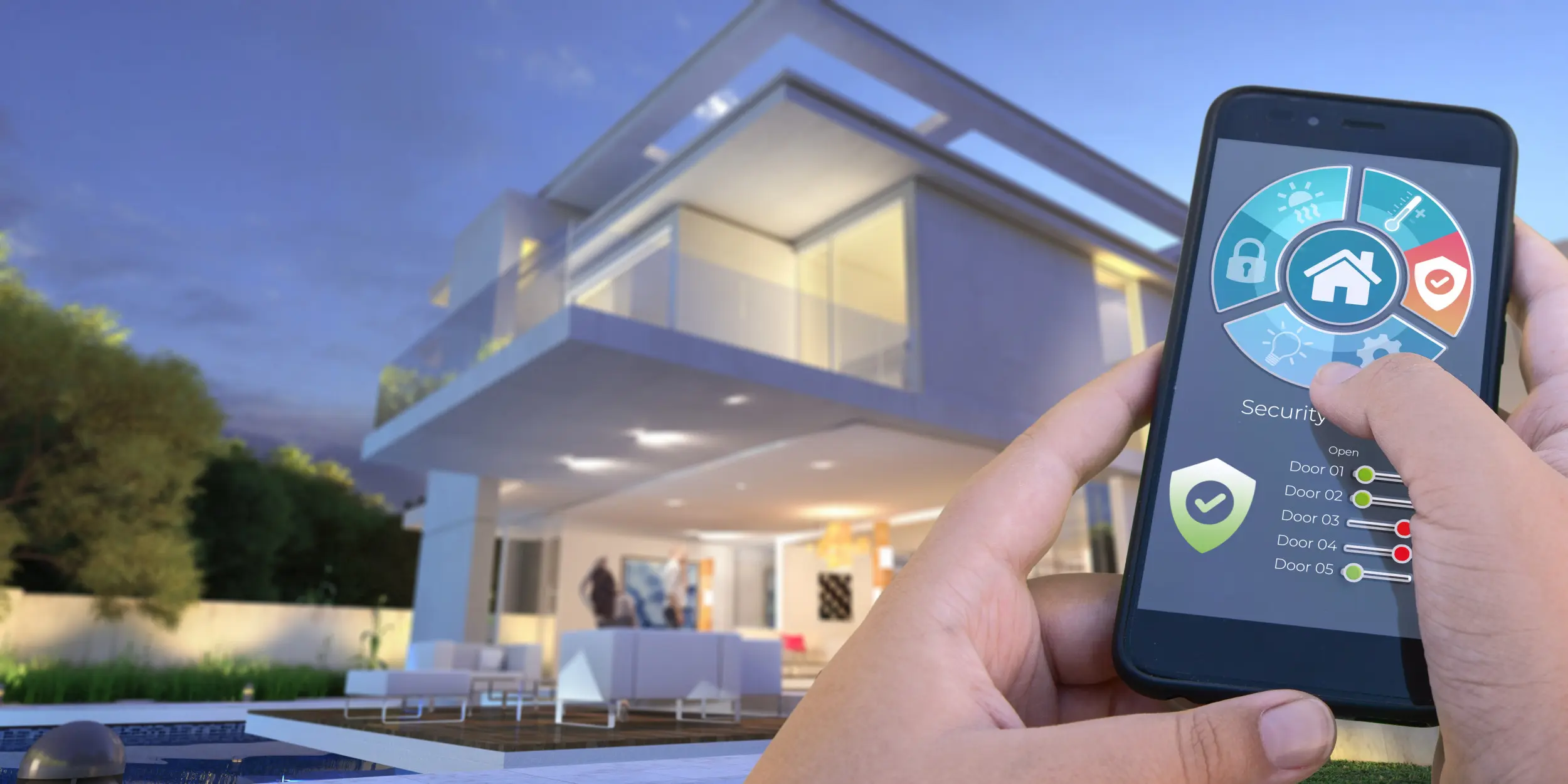
Homeowners often add more devices over time, so system costs grow as features expand. Grounded Electric reviews each home carefully so your smart home system cost reflects what you actually need, not a generic package.
Smart home cost per month
Monthly costs vary depending on the devices you select and whether you use subscription services. Some home security system platforms charge between $10 and $50 per month for monitoring. Smart thermostats or HVAC controls may also require paid upgrades to enable advanced automation.
When planning a budget, consider recurring subscription and support costs such as:
- Cloud storage for video security
- Monitoring services for alarm systems
- Mobile app connectivity for advanced smart thermostats
These recurring costs keep your system active, secure, and connected year-round. Planning for them early helps maintain predictable ownership expenses.
Smart home cost per square foot (with example scenario)
Smart home costs per square foot depend on the number of rooms, the layout, and the amount of wiring the home already has. Smaller homes often cost more per square foot because fixed setup expenses do not change. Larger homes spread those costs across more space, reducing the rate but increasing the total project cost.
For example, a 2,000-square-foot home with bright lighting, door sensors, thermostats, and a home security system typically costs $5,000 to $8,000 for a complete setup. A larger property with multiple zones or premium devices can exceed $12,000. These examples show how cost scales with size, features, and customization.
How much does a Google smart home cost
A Google smart home setup can range from $200 to $6,000 or more, depending on how many devices you connect and how advanced you want the system to be. A basic setup with Google Nest speakers, bright lights, and door sensors typically costs between $200 and $600.
A mid-range system that includes a Nest thermostat, a video doorbell, and several cameras typically falls between $1,000 and $2,500. A fully integrated system with HVAC control, multiple security cameras, and an entertainment system may reach $4,000 to $6,000 when professionally installed.
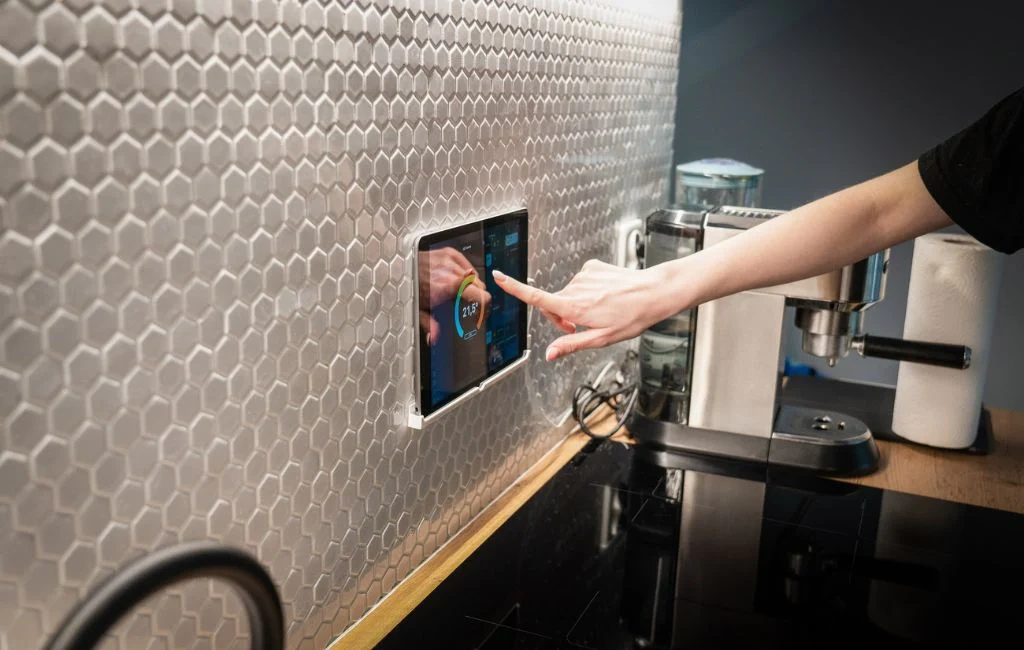
Cost to make your home smart.
The cost to make your home a smart home typically ranges from $1,000 to $15,000 or more, depending on the size of your home, the number of devices, and the complexity of automation.
A basic upgrade that adds bright lights, a smart thermostat, and voice control can cost between $1,000 and $3,000. A mid-range setup with lighting zones, smart locks, door sensors, and a home security system usually falls between $3,000 and $7,000.
A fully automated home that integrates lighting, HVAC, cameras, and entertainment systems can reach $10,000 to $15,000+, especially when professionally installed.
Smart Home Cost Levels Explained
Comparing smart home system cost levels helps plan the right approach. Entry-level setups use wireless devices suitable for smaller spaces. Mid-level systems mix wired and wireless controls for reliability. High-end automation fully integrates lighting, climate, and security for maximum convenience and durability.
Smart Home Installation and Setup
Smart home installation basics
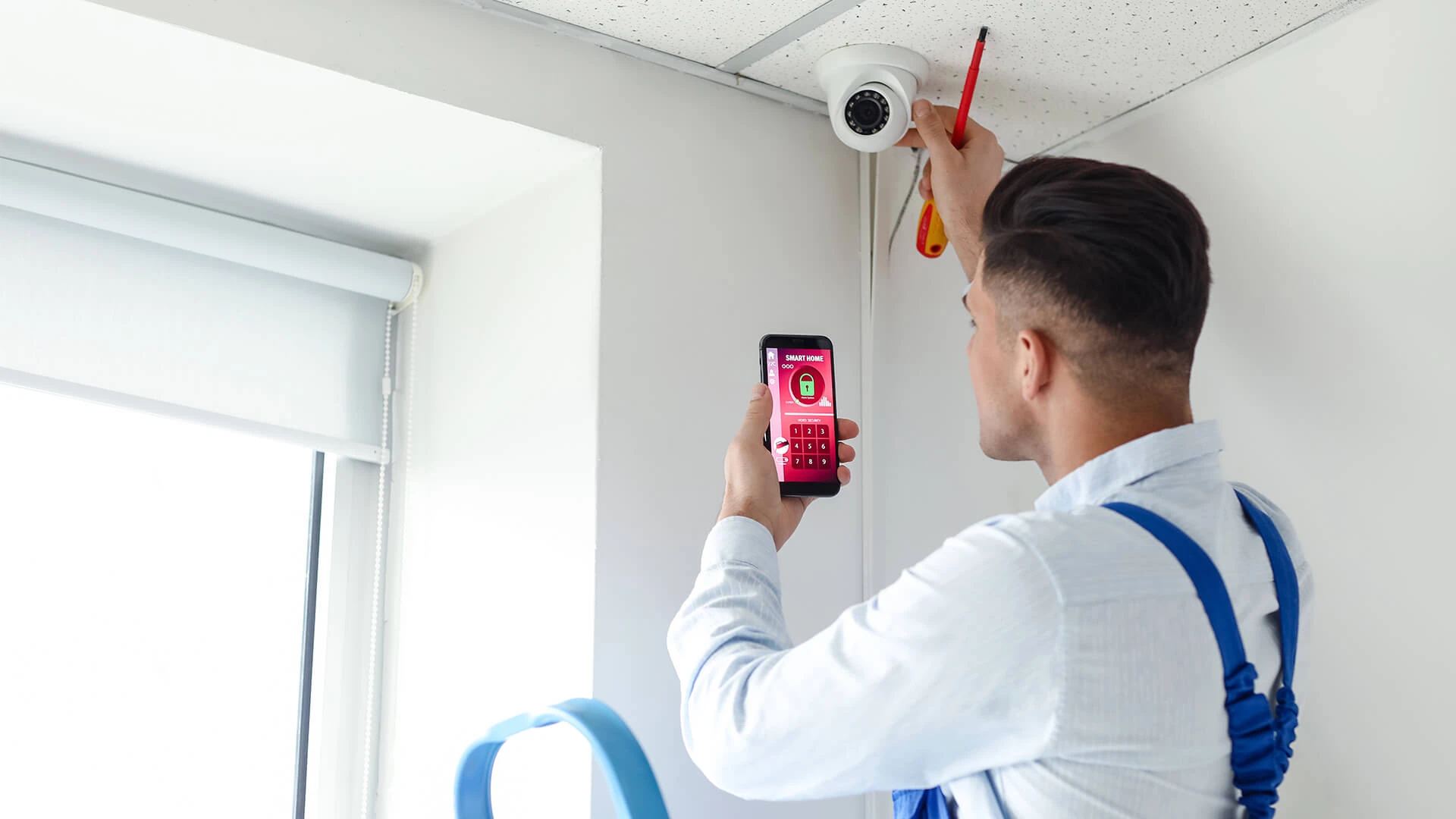
Smart home installation begins with mapping out the home network and identifying which devices need power, data, or wireless access. Installers look at signal strength, electrical panel capacity, and device locations to create a reliable plan. A professionally installed system avoids weak signals or overloaded circuits, ensuring dependable performance for years.
Learn more about our full home automation and wiring solutions, designed to keep systems reliable, organized, and easy to maintain.
Wiring updates and electrical work
Some homes need wiring updates before advanced automation can work correctly. Older panels may not support new loads, and specific devices require dedicated lines.
Installing a new lighting system or adding smart switches often involves opening walls or fishing wires through finished spaces.
Device setup and labor pricing
Labor pricing depends on the number of devices, the wiring needed, and the time required to test the system. Simple devices like door sensors or small bright lights take little time to install. Complex home automation systems that tie into HVAC equipment or an entertainment system require more setup and programming.
Key labor factors include:
- The number of devices being installed
- Whether additional wiring or panels are required
- Time spent configuring software or apps
This transparency helps homeowners track how their budget is distributed across materials and skilled labor.
When to hire a licensed electrician
Homeowners should hire a licensed electrician when a device connects to the electrical panel, affects current wiring, or controls high-power equipment.
Smart thermostats, bright lights, and systems that work with large appliances often require professional support. Grounded Electric uses tested methods to ensure every connection performs safely under real use.
Building Your Smart Home System
How to convert a normal home to a smart home
Converting a normal home into an automated home begins with choosing the areas you want to control. Many homeowners start with lighting, security, or climate management because these features offer quick benefits.
The next step is building a stable home network so devices can communicate reliably. With the help of Barret Abramow, Grounded Electric designs systems that grow over time without creating technical issues.
Essential smart home devices to start with
Entry-level devices include bright lights, a smart thermostat, and a simple home security system. These products, including bulbs, cameras, and locks, are easy to use and often require minimal installation.
Adding a door sensor or a motion sensor also improves security without a significant investment. Starting with essential devices helps you understand your daily routine and how automation supports it.
Best smart home system options
The best smart home system options depend on your home size, device preferences, and wiring conditions. Some systems work well for small homes because they rely more on wireless control.
Larger homes often require systems with more powerful processors and multiple access points to support a wide range of devices. Grounded Electric helps you compare brands, so you know which company offers features that fit your needs.
Small homes and condos
-
Apple HomeKit or Google Home
-
Works well with wireless devices.
-
Good for lights, thermostats, locks, and cameras.
-
Limited custom scenes and whole-home logic.
-
Example: a 1,200 sq ft condo using smart switches, plugs, and a thermostat.
Mid-size homes
-
Control4 Essentials
-
Supports lighting, audio, climate, and security.
-
Uses a mix of wired and wireless devices.
-
One app controls most systems.
-
Example: a 3,500 sq ft home with room-based audio and lighting scenes.
Large and luxurious homes
-
Lutron HomeWorks with Control4 or Crestron
-
Built for custom wiring and deep automation.
-
Handles lighting, motorized shades, climate, and scenes.
-
Stable even with hundreds of devices.
-
Example: an 8,000+ sq ft home with whole-house lighting scenes, automated shades, and touchscreens in every zone.
Why Lutron matters
-
Lighting and shading run independently from WiFi.
-
Keypads replace walls full of switches.
-
Works well with Control4 and Crestron systems.
Most expensive smart home system
The most expensive smart home system usually includes custom wiring, integrated controls, and premium devices. High-end systems can fully automate lighting, shading, audio, and climate while connecting to a unified touchscreen. These installations require skilled programming and reliable electrical support. Homeowners choose these systems when they want a seamless experience built for long-term use.
Project
- New construction, 12,000 sq ft home in Alpine, NJ.
System
- Control4 custom system with full-house automation.
- Lutron HomeWorks lighting and motorized shades.
- Whole-home audio with Sonos Amps and in-ceiling speakers.
- Integrated climate control tied to multiple HVAC zones.
- Central rack with redundant networking and backup power.
- Wall-mounted touchscreens plus tablet and phone control.
What makes it expensive
- Custom low-voltage wiring runs to every room.
- Dedicated equipment room with labeled racks.
- Scene-based programming for lighting, shades, audio, and climate.
- Ongoing support and reprogramming as the home changes.
Cost
- $250,000 to $400,000 installed.
- Price depends on room count, shade quantity, and audio zones.
Using a home automation cost calculator
A home automation cost calculator gives a rough idea of what your system costs might be. These tools estimate pricing based on device type, number of rooms, and home size. They work well for initial planning, but do not replace a professional evaluation. Grounded Electric uses in-person assessments to provide pricing that reflects real conditions rather than estimates.
Cost by Smart Device Category
Real-World Pricing Examples by Device
Before reviewing each smart device category, it’s helpful to understand the average price ranges for standard components. These figures are based on current retail and professional installation averages across the U.S. market.
Security and monitoring devices
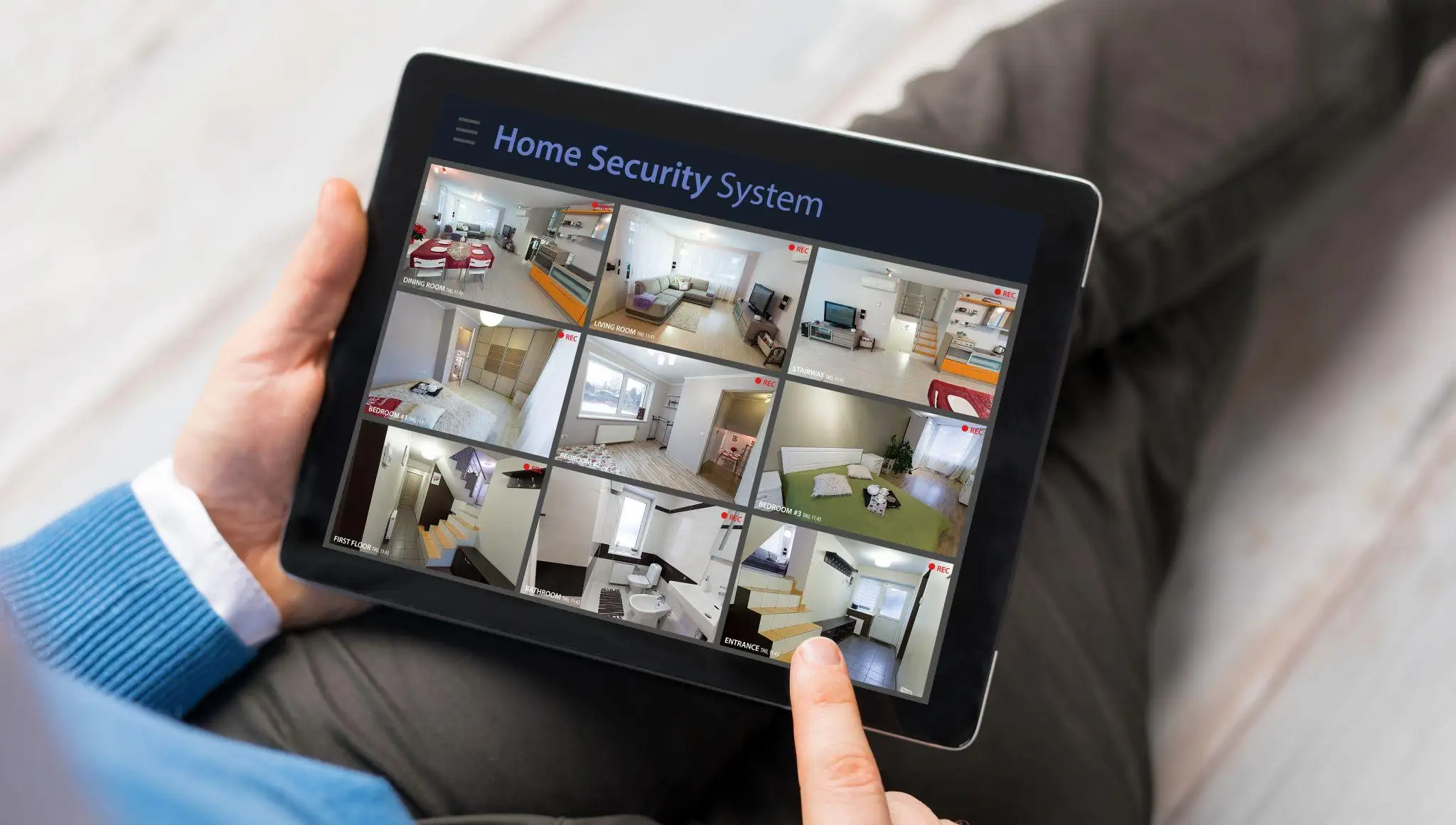
Security devices include cameras, sensors, locks, and whole-home alarm systems. Costs vary based on resolution, motion features, storage plans, and integration with your home networks.
Grounded Electric installs both advanced and straightforward setups depending on your preferred level of protection.
Our smart home installation team in Bergen County provides customized wiring and automation layouts that ensure smooth operation across all devices.
Smart lighting systems
Intelligent lighting systems improve comfort and energy control. They include bright lights, dimmers, switches, and automated lighting zones that respond to schedules or occupancy. Prices depend on the number of fixtures, the type of bulbs, and whether you want complete room control.
Thermostats and HVAC controls
Climate control devices help manage heating and cooling more efficiently. A smart thermostat adjusts the temperature based on schedules or occupancy and can reduce energy use in many homes.
More advanced HVAC system controls measure humidity, airflow, and energy demand. Installing these devices usually requires an electrician, especially when they connect to high-voltage systems.
Smart appliances and premium systems
Smart appliances include refrigerators, ovens, washers, dryers, and specialty devices that support voice or app control. These appliances tend to be more expensive than standard models because they include sensors and network components.
Premium systems coordinate multiple appliances and integrate with broader home automation systems. Grounded Electric ensures the wiring for these appliances meets code and supports long-term safety.
Is a Smart Home Worth It
Savings and convenience benefits
Smart homes can reduce energy waste, improve security, and simplify daily routines. Automated schedules help maintain lighting and climate without constant manual adjustments. Many homeowners see lower utility bills when devices respond to occupancy and weather changes.
Security and lifestyle upgrades
A modern home security system offers better visibility and faster alerts. Smart cameras and sensors help monitor your home from anywhere. Lighting and entertainment system controls also improve comfort by matching your routine.
What are the disadvantages of a smart home?
Smart homes rely on steady home networks, so that poor coverage can cause delays or signal drops. Some devices require subscription fees that add to your monthly budget.
Complex systems may also need professional maintenance from time to time. Grounded Electric designs systems that limit these issues through careful planning and installation.
Pros and Cons of Smart Homes
Pros:
- Reduce energy use and utility costs through automation
- Improve safety and comfort with real-time monitoring
- Increase property value and long-term convenience
Cons:
- Dependence on stable Wi-Fi or network coverage
- Subscription costs that accumulate over time
- Occasional software or device updates are required
How to Reduce Your Smart Home System Cost
You can reduce your smart home system cost by choosing devices that offer substantial value without unnecessary features. Start with simple devices, then expand as your routine becomes more predictable. Consider mixing diy install products with professionally installed components for a better balance.
Homeowners in Northern New Jersey can also request a quote through our smart home installation services in Alpine, NJ, to begin planning their next project.
Start Your Smart Home Installation Today
If you’re planning to upgrade your home, the licensed electricians at Grounded Electric can design and install a custom smart home system that fits your needs and budget. Schedule a consultation today to explore professional installation options and create a safer, more connected home.
