


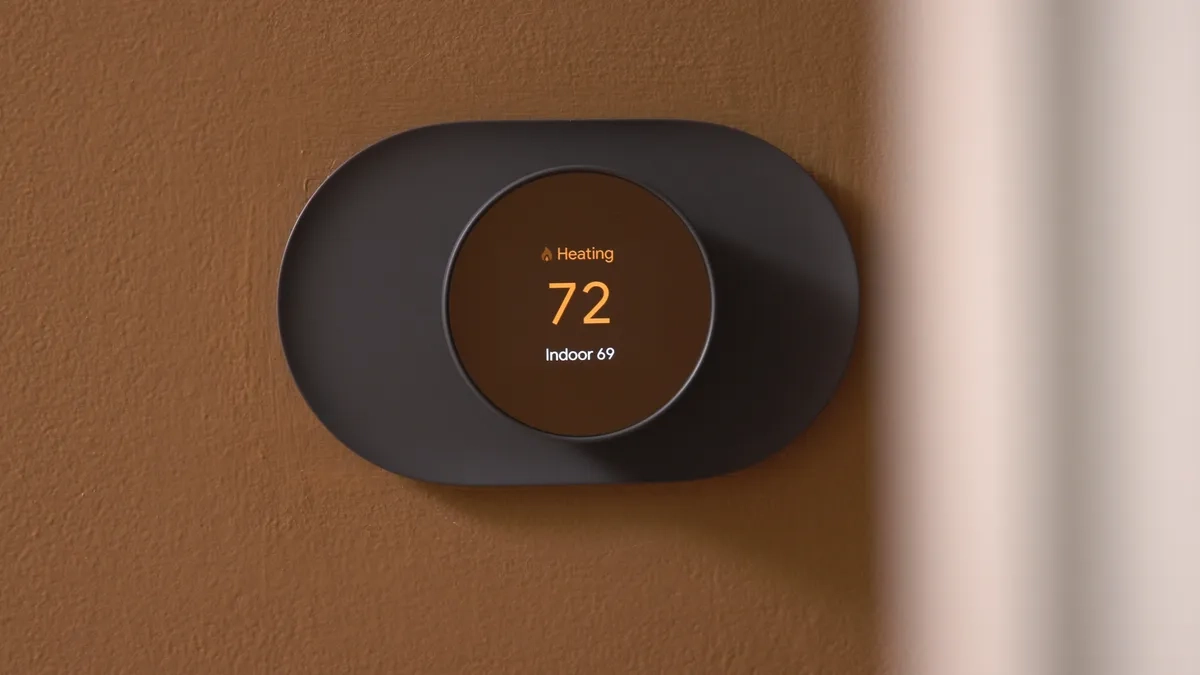
A smart thermostat can save money by reflecting how you actually use your home. It cuts energy waste by lowering heating or cooling during low-use periods and restoring comfort only when needed.
Results depend on your schedule accuracy, HVAC condition, and consistent settings. With proper setup, many households reduce utility costs without losing comfort.
Grounded Electric supports planning by matching the thermostat to your HVAC system and daily patterns. Project manager Barret Abramow guides setup choices, while licensed electrician Bobby Mulholland completes code-compliant installation.
Key Takeaways
- Smart thermostats can lower heating and cooling costs by about 8–15 percent when schedules, occupancy sensing, and recommended settings are used consistently.
- Actual savings depend on climate, insulation, and HVAC compatibility, and rise when the device automatically adjusts during away and sleep periods.
- The features that drive the most savings are learning your schedule, occupancy sensors, geofencing, room sensors, and proper controls for multi-stage or heat-pump systems.
- Professional installation verifies wiring and system setup; Grounded Electric, led by Barret Abramow with Bobby Mulholland, helps ensure safe, code-compliant performance.
- Value improves further with utility rebates for Energy Star-certified smart thermostats and by using usage reports to fine-tune settings without sacrificing comfort.
How Smart Thermostats Save Money
Smart thermostats offer automated schedules and occupancy sensing that reduce unnecessary heating or cooling.
They track patterns, adjust the temperature at night and when you leave, and provide clear reports that reveal energy savings opportunities–used consistently, these features lower the energy bill while keeping rooms comfortable.
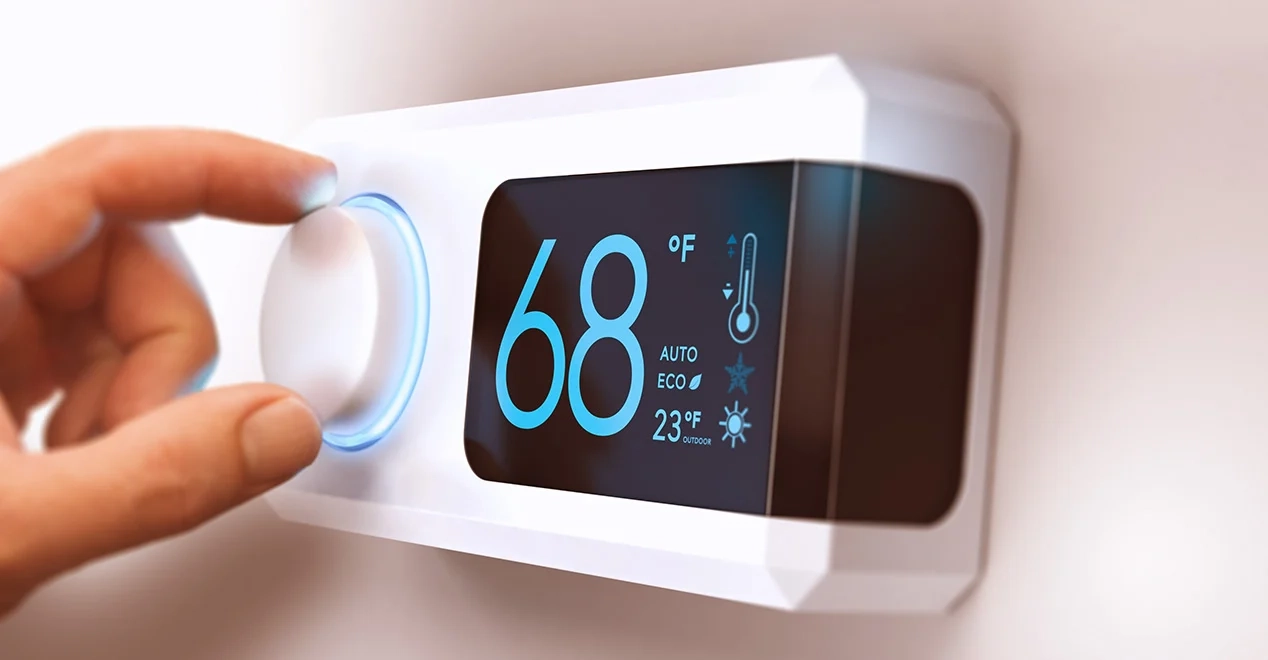
Typical Savings From Independent Studies
Independent sources commonly show annual reductions in heating and cooling bills in the single to mid-teens. Results vary with climate, insulation, equipment condition, and adherence to the schedule. These ranges help set realistic expectations for cost savings.
-
Independent data shows smart thermostats can save around 8% on heating and cooling bills on average for ENERGY STAR-certified models. ENERGY STAR+1
-
Some studies and manufacturer-linked analyses report higher ranges, around 10–15% or more, depending on climate, home insulation, and user habits. Lifestyle → Sustainability Directory+1
-
Individual device reports (e.g., Nest) show even larger variation in savings when using actual usage data, with 10–12% on heating and ~15% on cooling in one analysis. Google Help
-
Reported outcomes vary widely with location, insulation quality, HVAC condition, and how well users set up and follow thermostat schedules. ENERGY STAR
How Much Does 1 Degree on a Thermostat Save
Lowering or raising your thermostat by one degree for at least eight hours can cut heating or cooling costs by about 1 percent. The exact impact depends on climate, insulation quality, and HVAC performance.
When you repeat this adjustment daily over a season, the savings add up without reducing comfort. Small setbacks during sleep or work hours ease demand on the system and lower overall energy use. A smart thermostat helps by making these changes automatic and consistent over time.
Does Keeping the AC at 72 Save Money
Keeping the AC at 72 does not always save money in hot weather because the system may run longer than necessary. Slightly higher setpoints during empty hours reduce waste and still protect comfort. A smart thermostat restores your preferred setting before you return.
Which Smart Thermostat Saves the Most Money
No single smart thermostat saves the most money in every home, but the ecobee Smart Thermostat Premium is often among the top performers in real-world use.
Its room sensors and occupancy detection cut waste in unused rooms, geofencing adjusts when you leave, and adaptive recovery restores comfort on time without overshooting.
It is an Energy Star-certified smart thermostat and integrates with utility demand-response programs for extra bill credits. In multi-room or multi-level homes, those sensors usually outperform learning-only models for pure savings.
These features, highlighted in our best home automation devices guide, allow you to adjust the temperature without constant manual input.
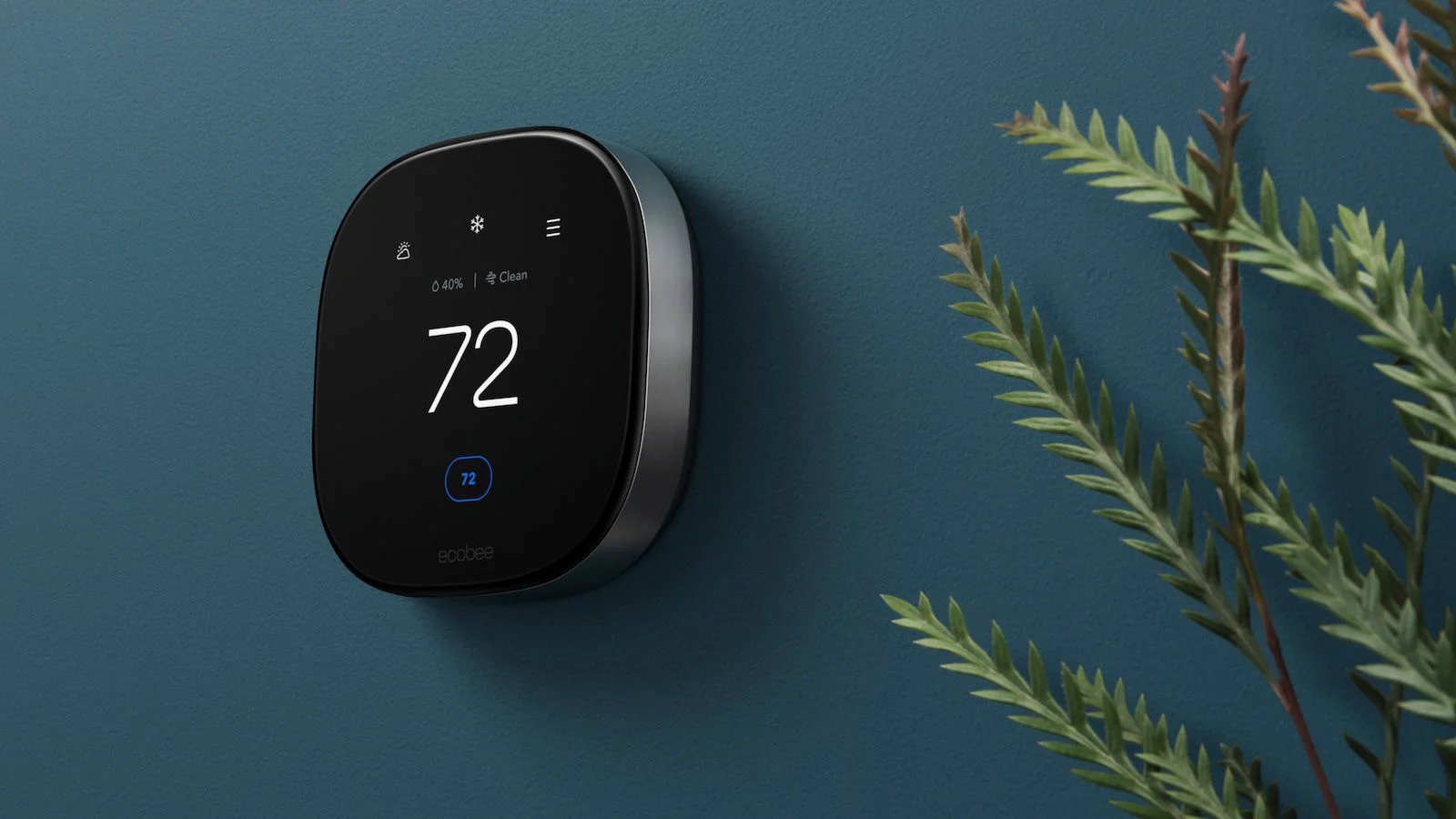
Feature Differences That Affect Savings
- Learning algorithms and occupancy sensors reduce unnecessary cycles
- Room sensors and zoning support improve accuracy in larger homes
- Geofencing and adaptive recovery align operations with real arrival times
Does the Nest Thermostat Save Money
Nest reduces waste by detecting empty periods and restoring comfort on schedule. Its reporting tools show trends that guide better choices. With consistent use, this supports energy efficiency and lower utility bills.
Best Smart Thermostats for Savings
The best smart thermostats for savings include premium smart home climate controllers with adaptive schedules, room sensors, and Energy Star certified smart features.
A smart thermostat can also qualify for rebates and demand-response programs. These tools reinforce comfort while targeting cost savings.
Are Smart Thermostats Worth It
Smart thermostats are valuable when homes have predictable routines and users allow automation to run. They provide transparent data, reduce waste, and maintain comfort during heating or cooling seasons. Grounded Electric recommends models that match your HVAC system and goals.
Pros and Cons at a Glance
Pros
- Lower heating and cooling bills with automation and occupancy sensing
- Steadier comfort with adaptive recovery and room sensors
- Remote control and reports that improve daily decisions
Cons
- An internet connection and compatible wiring are required
- Savings vary with climate, insulation, and user follow-through
- Short learning period before results stabilize
Smart Thermostats to Save on Energy Bills
Smart thermostats to save on energy bills should offer remote access, learning tools, and clear reports.
Combined with stable Wi-Fi and proper setup, the device automatically adjusts during away periods and sleep. Over time, that consistency lowers the energy bill without extra work.
What Are the Disadvantages of a Smart Thermostat
Older systems may need adapters, and some features require professional setup. Not all users prefer automation at first, but most adapt quickly. Reliable Wi-Fi keeps features active and prevents gaps in performance.
When savings may be lower
Savings drop when schedules are irregular or when setpoints are overridden often. Mild climates also show smaller gains because seasonal loads are lighter. Even then, steady control improves comfort and visibility into usage.
Smart vs Programmable Thermostats
A programmable thermostat follows fixed schedules, while a bright unit adapts in real time. Automation often yields stronger results for changing routines. Both reduce utility bills when used correctly.
Do Programmable Thermostats Save Money
Yes, a programmable thermostat saves money with accurate schedules. Smart devices improve on this by adjusting to occupancy and weather. That flexibility supports durable energy savings.
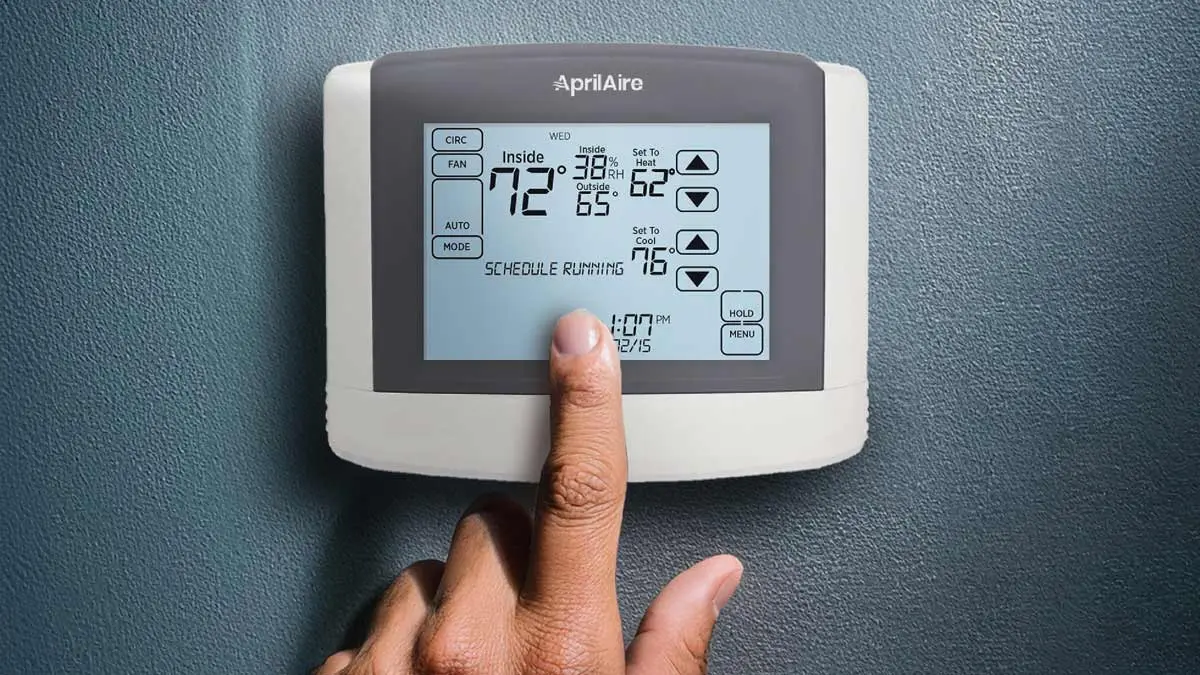
Smart vs programmable savings
Smart models often outperform because they adapt to real-world conditions. Programmable units cannot adjust when plans change. Choose based on routine stability and desired automation.
Installation and Compatibility
Installing a smart thermostat requires wiring checks, equipment matching, and safe placement. Grounded Electric, a smart home Bergen County installation company, verifies compatibility and setup to protect your HVAC system. Proper commissioning supports long-term reliability.
What We See in the Field
Steady schedules and well-sealed homes produce the most consistent energy savings. Heat pumps and multi-stage equipment perform best when controls and auxiliary heat thresholds are set correctly. Stable Wi-Fi and clean wiring keep features responsive and reliable.
System and wiring needs
Many systems need a standard wire to power advanced features. Older equipment may require an adapter, and multi-zone homes benefit from thermostats designed for zones. Checking these items first prevents delays during installation of a smart thermostat.
When to hire an electrician
If wiring is unclear or equipment is older, hire a professional to avoid damage. A licensed electrician ensures safe terminations and correct configuration. This protects the HVAC system and supports automation features. Schedule a consultation with Grounded Electric to confirm compatibility and complete a safe, code-compliant installation.
