


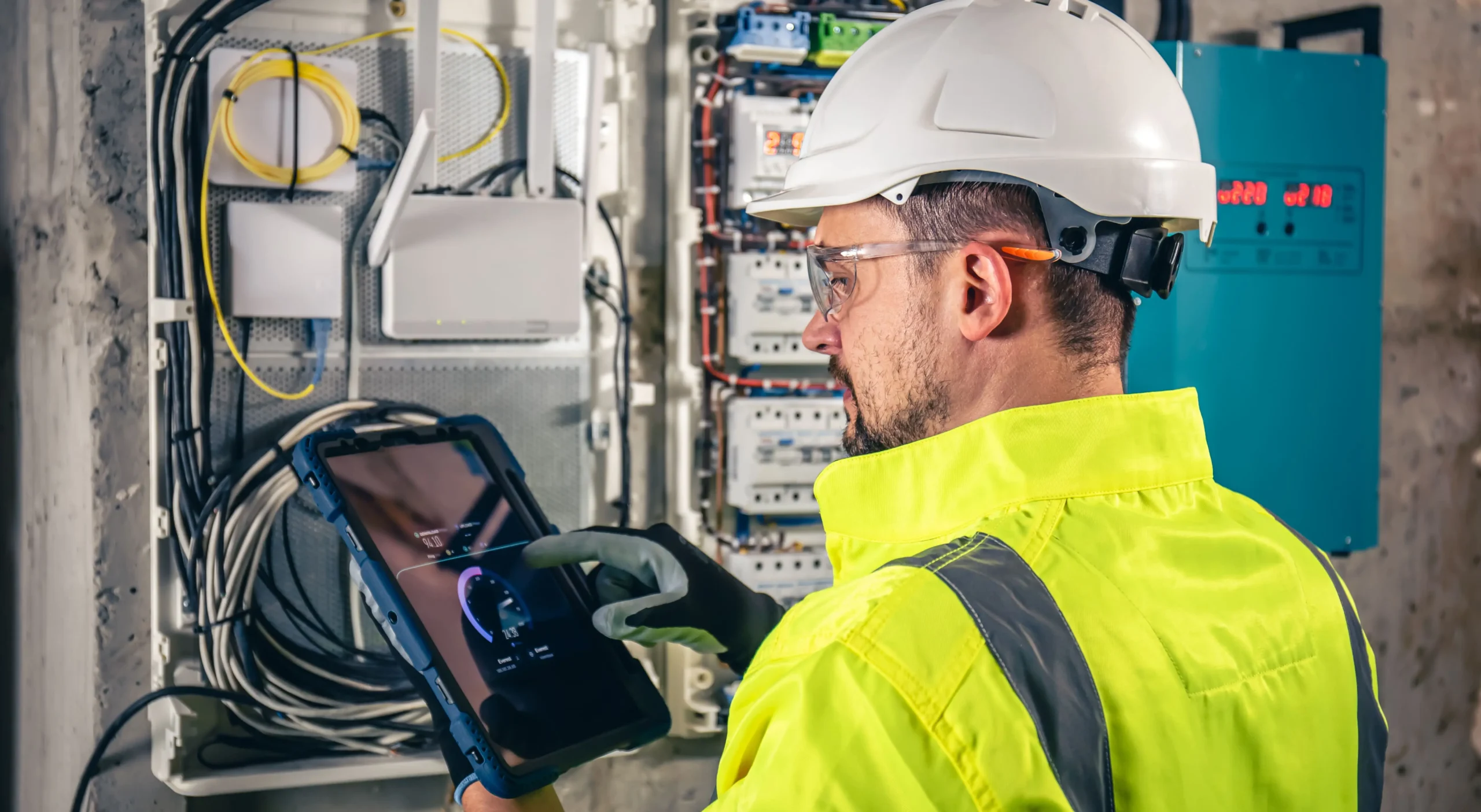
You can start electrical work without a college degree. The question “How do I land an electrician job without a degree?” often leads to one path. You join an apprenticeship and learn from licensed electricians. These programs mix classes with work on real job sites.
They provide job training and help new workers gain skills. Many people begin in entry-level roles and learn the basics of wiring, tools, and safety. Grounded Electric operates in this type of setting, where licensed electricians follow code and train new workers.
Key Takeaways
- You can begin a career as an electrician without a college degree by joining an apprenticeship that mixes classes with real work.
- Most electrician apprenticeship requirements with no degree include a high school diploma or GED, basic math skills, and a focus on safety.
- Apprenticeships often last four to five years and provide strong hands-on experience and electrical training
- Electricians often move from apprentice training to journeyman electrician licensing and later to master electrician certification.
Can You Become an Electrician Without a Degree?
Most electricians do not begin in college programs. They usually learn the trade through apprenticeships. The work requires practical skill, safety knowledge, and an understanding of electrical codes. An electrician apprentice learns these skills while working with licensed electricians.

Rules for licensing vary by state. Many workers start in entry-level roles as apprentice electricians. They work under supervision and learn on the job. Licensed electricians such as Robert “Bobby” Mulholland are experienced professionals who understand the importance of training, code knowledge, and knowing when to call an electrician for safe electrical work.
Can You Be an Electrician Without a License?
You cannot work as a fully independent electrician without a license in most states. Electrical work usually requires a license to ensure safety and code compliance. However, new workers can start in training roles before they are licensed.
This allows them to learn the trade while working with licensed professionals. They practice using tools, installing wiring, and following safety rules.
Most electricians receive a license after completing apprenticeship training and passing exams. These tests check knowledge of electrical systems, safety rules, and electrical codes.
Electrician Apprenticeship Requirements With No Degree
Many people enter the electrical trade through apprenticeship programs. These programs let beginners learn the job while earning pay and gaining real work experience.
Most programs require applicants to be at least 18 years old. They also need a high school diploma or GED and basic math skills. Programs often look for people with a strong willingness to learn, since electrical work requires ongoing electrical training.
Why Electrical Codes and Safety Standards Matter
Electrical codes exist to protect people, buildings, and electrical systems. They set clear rules for the installation of wiring, circuits, and equipment.
Without these standards, electrical work could create fire risks, shock hazards, and system failures. The National Electrical Code, or NEC, sets rules for wiring and system safety.
Apprentices learn these rules during training. Following code rules helps reduce risk and helps systems pass inspections.
How to Become an Electrician With No Experience
You can start a career as an electrician with no work experience. Apprenticeships teach beginners step by step. Workers learn through short classes and job-site practice.
Licensed electricians guide apprentices through daily work. Robert “Bobby” Mulholland, an experienced electrician, often explains that working with skilled electricians helps new workers understand how electrical systems are installed and repaired.
Electrical apprentices also learn the basic duties and responsibilities of the job. These tasks include helping with wiring work, preparing tools, and following safety rules.
Steps to Start an Electrician Apprenticeship
Most electrical careers begin with apprenticeship programs. An electrician apprentice learns the trade while earning pay.
The process often includes:
- Meet school requirements such as a high school diploma or GED.
- Be at least 18 years old.
- Apply to apprenticeship programs through contractors or training groups.
- Take aptitude tests that check math and problem-solving skills.
- Begin supervised work with licensed electricians.
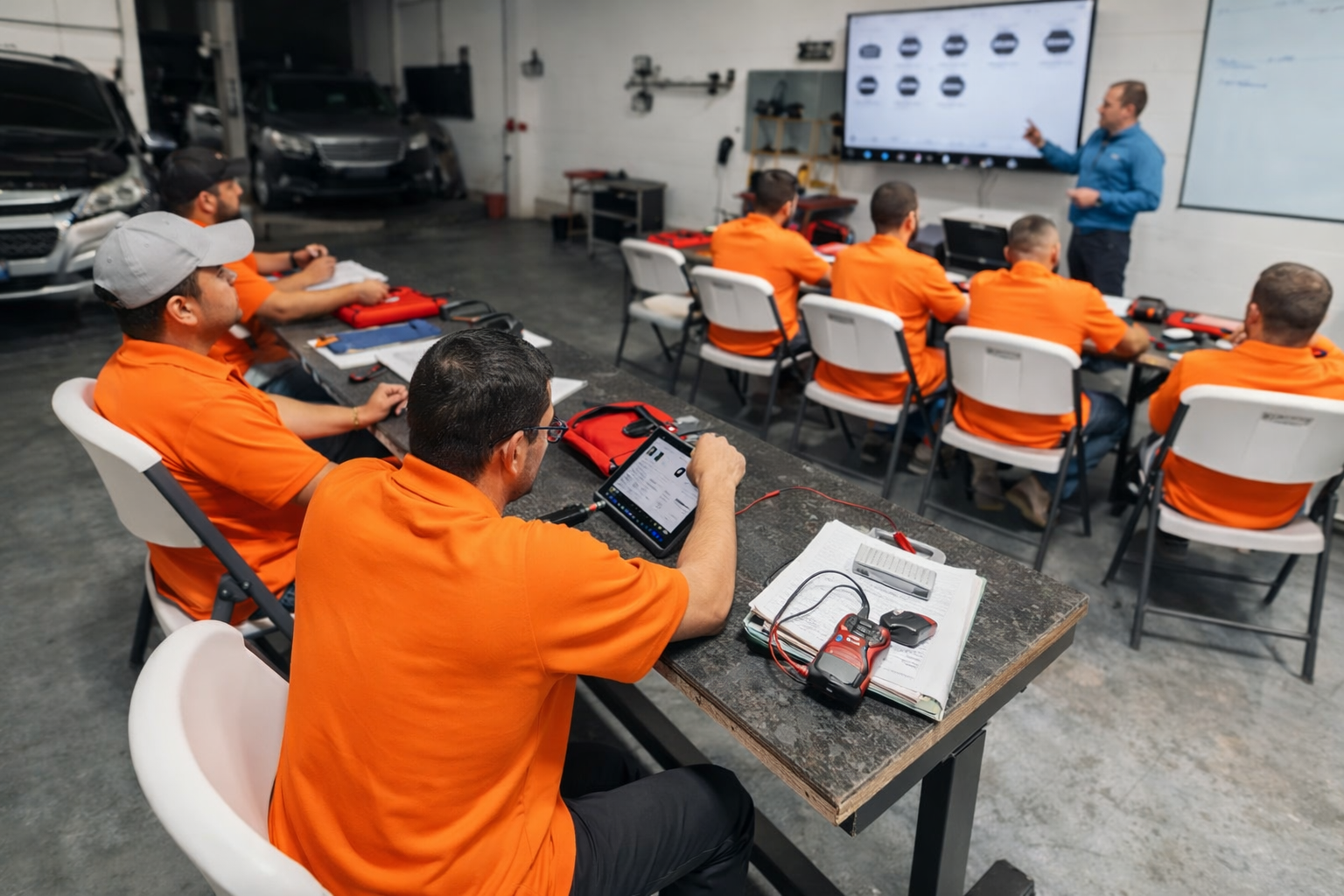
These programs combine classroom instruction with on-site electrical training.
How Long Do Electrician Apprenticeships Take
Most apprenticeships last four to five years. During this time, an apprentice electrician gains thousands of hours of supervised training.
This training provides strong hands-on experience. It prepares workers for license exams and future work in the trade.
How to Apply for an Electrician Apprenticeship
Applying for an apprenticeship usually requires an application and school records. Some programs also ask for an aptitude test. These tests check math skills and problem-solving ability.
Project managers such as Barret Abramow, Project Manager and Co-Owner, may review training readiness from both technical and planning viewpoints, especially in companies that invest in growth strategies like electrician SEO.
Where to Find Apprenticeship Programs
You can find apprenticeship programs through several sources:
- electrical contractor training programs
- union apprenticeship organizations
- technical trade schools
- state apprenticeship registries
These programs help new workers begin their careers as electricians and often lead to working with local contractors, such as an electrician in New Milford, NJ.
Electrician Training and Career Path
After completing an apprenticeship, electricians advance to the next licensing stage. The common path begins with apprentice training and continues to journeyman electrician certification.
With more years of work, electricians may qualify for master electrician licenses. An experienced electrician often continues learning and improving skills through years of field work and training.
Electrician Career Outlook
Electricians work in homes, businesses, and industrial buildings. Electrical systems must be installed, tested, and repaired during a building’s life.
Demand for electricians continues as new buildings and technologies require electrical systems, which is why many people explore the highest-paying electrician jobs.
Apprenticeships and licensing programs provide the training needed for long careers in the electrical field.
If you have questions about electrical work, you can contact Grounded Electric. An experienced electrician can review your needs and explain safe options. Schedule a time to speak with the team.