



The main difference between an electrical engineering technician and an electrician lies in the type of work each performs. An electrician works on power systems in buildings. Technicians usually test equipment, find faults, and support electrical or engineering systems.
Grounded Electric is a licensed electrical contractor serving residential and commercial settings in code-compliant settings.
Key Takeaways
- Electricians work on building power systems. Electrical technicians usually test and support equipment.
- Electricians usually need apprenticeships and licenses. Technicians often complete technical school or certificate programs.
- Both roles follow codes and safety regulations. They apply them in different work settings.
- Pay and job demand vary by skill, industry, and location. Both careers can offer steady work.
- Electricians often work in the field. Technicians more often work in controlled settings.
Difference Between Electrical Technician and Electrician
The difference between an electrical technician and an electrician starts with job scope and licensing. Electricians work on power systems in buildings and usually must comply with state or local regulations.
Electrical technicians usually test equipment, check how systems run, and support work in plants, labs, or similar places. This also answers the question: Is an electrical technician the same as an electrician? Usually, no.
Both roles must understand codes and safety regulations. The difference between an electrician and an electrical technician lies in how they apply that knowledge. Electricians apply code rules during field work and when installing electrical systems. Technicians usually follow testing and safety standards while working with equipment and controls.
What Does an Electrician Do?
Electricians install, maintain, and repair systems that bring power to buildings and equipment. Their work includes wiring circuits, installing panels, connecting service equipment, and checking code compliance.
Licensed professionals, such as Robert “Bobby” Mulholland, may oversee this work to help ensure that job standards are met.
After enough training and licensing, electricians may work independently. They may handle service calls, repair jobs, and installation work with less supervision. This level of responsibility usually comes after hands-on training and on-the-job experience.
Typical Job Responsibilities
Typical electrician responsibilities include:
- Installing wiring, conduit, and breakers
- Connecting panels and distribution equipment
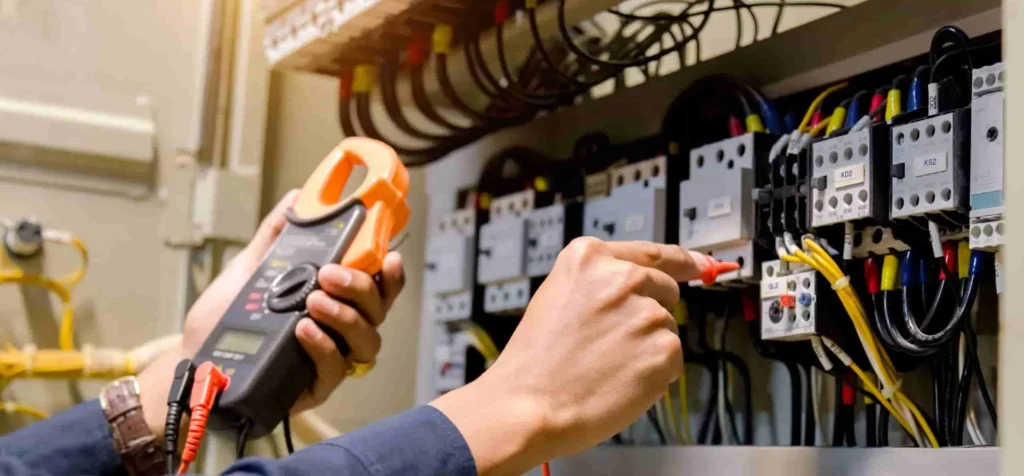
- Testing circuits and voltage
- Repairing faulty electrical parts
Work Environments and Job Sites
Electricians work in homes, commercial buildings, and industrial facilities, including projects handled by a licensed electrician in Bergen County. They may work on new builds, remodels, service calls, utility spaces, or electrical rooms. Each setting needs safe habits and close attention to code rules.
Tools and Equipment Electricians Use
Electricians use tools such as multimeters, conduit benders, wire strippers, and voltage testers. These tools help them check safe connections and proper circuit operation. Good testing is a basic part of installation and repair work.

What Does an Electrical Technician Do?
Electrical technicians focus on testing, upkeep, and diagnostics. In the electrical engineering technician vs. electrician comparison, technicians usually support engineers, plant systems, or equipment programs rather than doing building wiring work. Their daily work often supports production, control, or service operations.
The responsibilities of an electrical technician often include checking equipment performance, finding faults, and helping keep systems running well. Technicians may also help with calibration, records, and test steps. Their role centers on system checks and equipment support.
Typical Job Responsibilities
Typical responsibilities include:
- Testing electrical systems and parts
- Troubleshooting equipment problems
- Recording performance data
- Supporting maintenance procedures
Industries That Hire Electrical Technicians
Electrical technicians work in manufacturing, utilities, telecommunications, engineering firms, and equipment support roles. They may also work in power generation, automation, robotics, transportation systems, and renewable energy facilities.
Some technicians begin through a trade school, work with electricity in lab settings, and then move into equipment-focused jobs.
Tools and Systems Electrical Technicians Work With
Technicians often use oscilloscopes, digital testing devices, and signal analyzers. These tools help them measure signals, find faults, and confirm system operation. Their equipment is usually more focused on testing than on installation.
Electrician vs Electrical Technician Salary
Electrical technicians usually earn more on paper, while electricians often build income through field work, overtime, and trade specialization. In May 2024, the median annual pay was $62,350 for electricians and $77,180 for electrical and electronic engineering technologists and technicians.
The better path depends on the kind of work you want. Electricians usually work on wiring, panels, and repairs at job sites. Electrical technicians often work in testing, systems, manufacturing, or engineering support, which helps explain the salary difference.
Job Outlook for Electricians and Electrical Technicians
Demand for electricians stays steady because buildings need upgrades, repairs, and new power systems.
The U.S. Bureau of Labor Statistics projects continued demand in construction, for older systems, for renewable energy, and for EV charging. Electrical technicians also benefit from growth in automation and equipment upkeep.
Do Technicians Make More Than Electricians?
In May 2024, the median annual pay was $77,180 for electrical and electronic engineering technologists and technicians, compared with $62,350 for electricians. Some electricians can still earn more through overtime, union work, specialty jobs, or lead roles. The real difference depends on the industry, the type of work, and the level of experience.
Electrical Technician vs Residential Electrician Salary
Residential electricians often earn income through installation and service work in homes. Technicians more often earn salaries within industrial or technical companies. This difference affects how pay is set up.
Pay can be similar, but the source of income is often different. Residential electricians may earn more through overtime or service work. Technicians may earn more in jobs that involve advanced systems or industrial equipment.

Typical Salary Ranges in the United States
According to U.S. Bureau of Labor Statistics data, electricians earn a median annual wage of about $60,000.
Electrical technicians often earn within a similar broad range across industries, with many technical roles falling between $55,000 and $75,000 per year. Advanced automation or industrial maintenance roles may pay more.
Can Electricians Make $200,000?
Yes, but that is not typical. Electricians may reach higher income levels through specialty work, business ownership, or advanced licensing, and some roles appear among the highest-paying jobs for electricians. Higher earnings usually depend on experience, project size, leadership duties, and market demand.
Education, Training, and Licensing
Training is a major part of the difference between an electrician and an electrical technician. Electricians usually complete apprenticeships that mix classroom learning and field training.
Electrical technicians often complete technical programs focused on theory, diagnostics, and equipment upkeep.
Electrician Apprenticeships and Licensing
Electrician apprenticeships provide hands-on training under licensed professionals, and many people start this path by learning how to land an electrician job without a degree.
Apprentices learn wiring methods, safety rules, and code requirements. Licensing exams confirm that electricians understand installation standards and regulations.
Electrical Technician Certification
Electrical technician certification programs usually focus on electrical systems, electronics, testing, and upkeep.
Many technicians complete certificates or associate degrees in electrical technology. Certifications can demonstrate technical skills in equipment-based roles.
Training Programs and Career Paths
Electricians usually move from apprentice to journeyman and then to master electrician. Technicians may move into special technical, maintenance, or engineering support roles.
Grounded Electric Project Manager and Co-Owner, Barret Abramow, may coordinate projects in which licensed electricians handle the installation of electrical systems, and technicians support equipment diagnostics as needed.
Electrical Engineer and Electrician Difference
The electrical engineer and electrician differ in their focus: design versus installation. Electrical engineers design systems and plans. Electricians install and maintain those systems in the field. Technicians often support engineers through testing, monitoring, and maintenance tasks.
Electrician or Electrical Technician: Choosing a Career
Choosing an electrician or an electrical technician depends on the type of work a person wants to do. Electricians usually work in the field installing power systems for buildings.
Technicians often focus on testing and equipment support in controlled settings. Understanding the difference between an electrical technician and an electrician helps clarify which path is best for installation work, maintenance, troubleshooting, or engineering support.
If you need help with an electrical project, schedule a consultation with Grounded Electric to review goals, wiring, and budget.
