



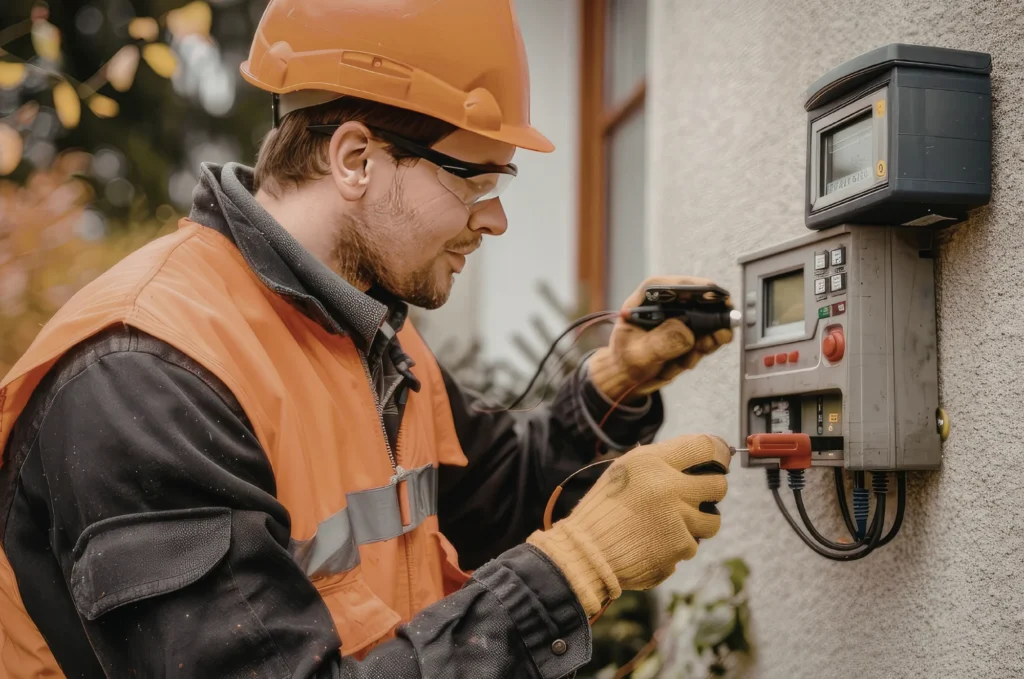
Grounded Electric works on residential and commercial electrical work, so this question comes up practically: Is being an electrician hard?
Yes, it can be hard. The difficulty usually comes from safety rules, technical learning, physical demands, and steady problem-solving. It is not just one single task.
A career as an electrician takes time because the work must follow wiring regulations, code rules, and safe jobsite practices.
For the right person, the trade is demanding but manageable, and skill grows through electrical training, repetition, and gaining experience.
Key Takeaways
- Being an electrician is hard because it involves a mix of physical demands, safety risks, and technical problem-solving, not just one factor.
- The job requires working in varied conditions, including climbing ladders, handling tools, and following strict wiring regulations to ensure electrical systems are safe.
- Becoming a fully qualified electrician usually takes 3–4 years of electrical training, combining classroom learning with gaining experience in real work environments.
- The difficulty of the career as an electrician can vary depending on the type of work, such as residential service, construction site projects, or installation electrician roles.
- Despite the challenges, the trade offers stable demand, practical skills, and long-term career value for those who can handle the work environment and commit to continuous learning.
The Short Answer
Why It Is Hard and Worth It
Is an electrician a hard job? In many cases, yes, because electricians work with live equipment, changing conditions, and tasks that require accuracy.
Working as an electrician also means solving real problems in homes, businesses, and on a construction site, which is why many people still find the trade rewarding.
What Makes the Job Hard
What Is the Hardest Part?
The hardest part often depends on the project and the worker’s stage of training. One person may struggle most with electrical systems and code, while another may find the biggest challenge in staying sharp through long days and detailed tasks.
Conditions also vary by setting, so an installation electrician may face very different issues than someone performing service or maintenance.
Is Being an Electrician Hard on Your Body?
Yes, it can be hard on the body. Electrical work often includes climbing ladders, kneeling, lifting, reaching overhead, and standing for long periods. These physical demands can add up over time, especially in attics, crawlspaces, or large commercial spaces.
Is Being an Electrician Dangerous?
The trade carries real risk, which is why safety habits matter so much. A fully qualified electrician must know how to identify hazards, test equipment correctly, and work safely around energized parts. Good planning and proper protective steps reduce danger, but they do not remove it.
Is There a Lot of Math?
There is math in the trade, but it is usually practical. Electricians use it for measurements, load planning, circuit layout, and equipment placement. Robert “Bobby” Mulholland, a licensed electrician and subject-matter expert at Grounded Electric, would view that as part of sound job practice rather than abstract theory.

Is It Easy to Become an Electrician?
Training, School, and Licensing
Is it easy to become an electrician? Usually not, at least not quickly. The path often takes 3-4 years, and in some cases longer, depending on the program, licensing rules, and required supervised hours. Some people train full-time, while others complete part-time study and fieldwork while gaining experience.
The process may include classroom work, exams, documented hours, and local credentials. In some markets, such as the UK, workers may pursue an ECS Gold Card, while others follow a different licensing route. The exact steps vary depending on where the person plans to work.
In practice, that means a worker may spend years building both technical knowledge and job judgment before working with less supervision. Electrical training does not only cover installation methods. It also teaches how to read diagrams, apply local code, plan safe shutdowns, and verify that completed work meets current standards.
How Hard Is Electrician School?
It is usually manageable for students who stay organized and connect lessons to real tasks. Good programs include electrical theory, diagrams, safety rules, and hands-on work that helps students apply electrical concepts in real installations.
School can feel harder when students treat it as just memorization. Much of the material makes more sense once they begin incorporating electrical concepts into real job tasks, such as circuit layout, load calculations, equipment selection, and troubleshooting. That link between classroom learning and fieldwork is what often helps practical skills improve faster.
Is Being an Electrician Hard to Learn?
It can be hard at first because the trade combines theory with hands-on work. New workers must build practical skills while learning job sequences, safe methods, and code-based decisions. The learning curve gets easier once workers spend more time in the field with an experienced electrician.
What the Work Is Actually Like
Is Being a Residential Electrician Hard?
Residential work can be hard in its own way. A person may move between troubleshooting, service upgrades, lighting, remodel work, and work in older homes with limited access. Is being a residential electrician hard? Yes, especially when hidden problems must be identified without compromising safety or code compliance.
Hours, Conditions, and Daily Demands
Daily tasks can change from one project to the next. The work environment may include heat, dust, noise, tight spaces, and constant movement between tasks. Barret Abramow, Project Manager and Co-Owner, works in a field where planning matters because site conditions can shift once work begins.
Who the Trade Fits Best
Skills That Matter Most
- The trade usually fits people who can follow steps carefully, because electrical systems leave little room for guesswork or skipped safety checks.
- You are more likely to do well if you can stay focused during repetitive tasks like wiring, testing, and troubleshooting without losing attention to detail.
- The job often feels less hard over time for people who learn well through hands-on practice and steadily gain experience on real projects.
- Physical tolerance matters too, since electrical work can involve climbing ladders, lifting materials, bending, and working in tight spaces.
- Strong problem-solving skills make a big difference, especially when a circuit issue is not obvious, and the cause must be found methodically.
- The work also suits people who can adapt to a changing work environment, whether that means moving between service calls, remodels, or construction sites.
- It may feel harder for someone who dislikes strict wiring regulations, changing daily conditions, or tasks that require patience and precision.
- In simple terms, the trade suits someone careful, steady, teachable, and comfortable with both physical work and technical learning.
Is Being an Electrician Hard for a Woman?
No, the technical standards do not change by gender. The work can be physically and mentally demanding, but success still comes down to training, judgment, skill, and support on the job. What matters most is whether the person can handle the work environment and perform the job safely and consistently.

Electrician vs. HVAC
Is Being an Electrician Harder Than HVAC?
That depends on the person and the type of work they prefer, especially when comparing the daily demands of HVAC vs. electrician.
Electricians focus heavily on wiring, circuits, testing, and code-based installation, while HVAC technicians often handle airflow, refrigerant, and mechanical service. One trade is not always harder; difficulty varies with a person’s strengths and interests.
Which Trade Fits You Better
An electrician’s work often fits people who like structured systems and careful testing. HVAC may fit people who prefer mechanical diagnosis and service-heavy work. Both paths require discipline, training, and hands-on ability.
Is It Worth Becoming an Electrician?
Pay, Demand, and Job Stability
For many workers, yes, becoming an electrician is worth it because the trade offers solid pay, steady demand, and room to grow into higher-paying roles, including paths tied to master electrician salary.
In the U.S., electricians earned a median annual wage of about $62,350 in May 2024, and employment is projected to grow 9% from 2024 to 2034, with roughly 81,000 openings each year.
The trade usually makes the most sense for people who are comfortable with physical work, safety rules, and a training path that often takes 3–4 years or longer.
The path is demanding, but it can lead to stable work, useful skills, and a career that remains in demand across residential, commercial, and construction projects.
For readers comparing long-term income potential, it also helps to review some of the highest paying jobs for electricians within the trade.