




The job requirements for an electrician include education, safety knowledge, hands-on job training, and licensing. Most people start with a high school diploma or a school diploma or equivalent, then enter a training program at a trade school or through an apprenticeship.
They also need to learn national electrical codes, safe tool use, and the basics of installing and maintaining systems. Grounded Electric follows the same industry framework, and licensed electrician Robert “Bobby” Mulholland works within these standards as a subject-matter expert.
Key Takeaways
- The job requirements for an electrician usually include a high school diploma or equivalent, formal job training, and a state or local license before working independently.
- Most electricians enter the trade through a trade school program or a 4- to 5-year apprenticeship that combines classroom learning with paid hands-on work.
- Electricians need more than technical knowledge. They also need math skills, safety awareness, physical stamina, and the ability to read diagrams and follow the National Electrical Code.
- Daily work often includes installing electrical systems, running wire, testing circuits, and maintaining or repairing electrical parts in homes, commercial buildings, and other job sites.
- Licensing, training hours, and pay can vary by state, so anyone entering the field should check local rules before choosing a training path.
What Is Necessary to Become an Electrician?
Age, Education, and Legal Eligibility
Most entry paths start at age 18. A high school diploma helps because the work uses math, reading, and basic science. In most cases, a school diploma or equivalent is enough to begin formal training.
The role also has physical demands. Electricians lift tools, climb ladders, and work in tight spaces. Since the work involves electrical wire and live systems, safety awareness is required from day one.
Math, Safety, and Physical Requirements
Electricians need basic math for measurements, load checks, and layout work. They must read diagrams and follow rules tied to national electrical codes. This is important when installing electrical systems in homes, commercial sites, or jobs involving electrical power.
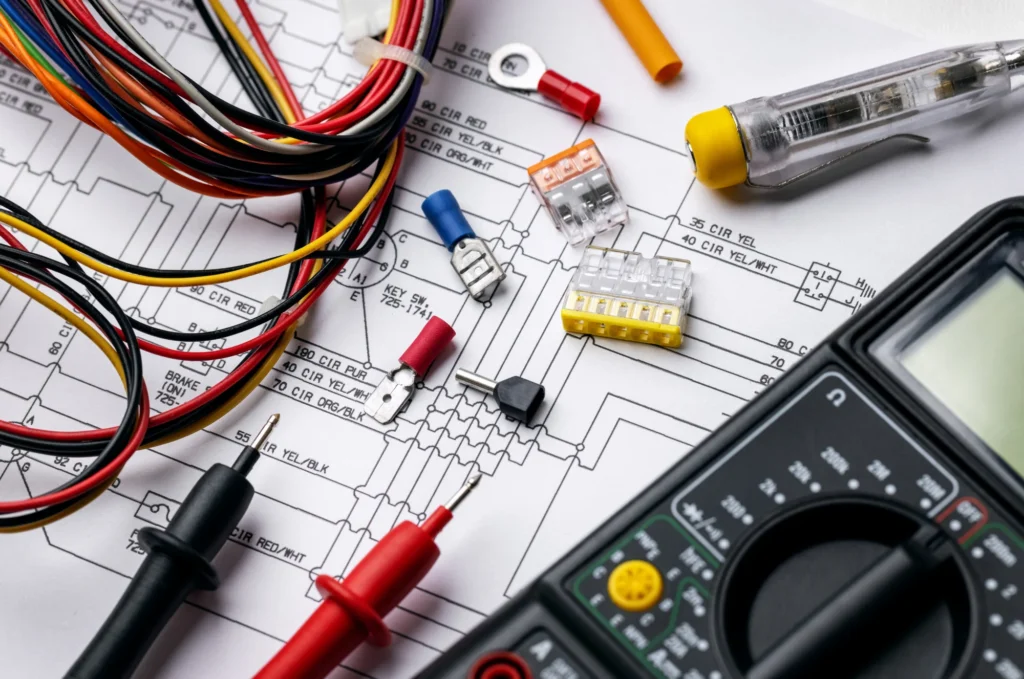
Electrician Education Requirements and Career Pathways
Electrician School Options
Electrician education requirements often begin with classroom learning. A trade school may teach wiring, safety, tools, and code basics before field work starts. This type of training program gives students a clear base for the next step.
Electrician Apprenticeship Requirements
An apprenticeship combines classroom time with paid fieldwork. It helps new workers learn how to maintain and repair electrical systems under supervision. It also shows how electricians typically build skills over time.
Common parts of apprenticeship job training include:
- Classroom lessons on code and safety
- Supervised work with wiring and equipment
- Practice installing and maintaining real systems
- Prep for testing and license steps
How to Become an Electrician With No Experience
A person can start with no experience if they meet the basic entry requirements and apply to a school or apprenticeship program. This guide on how to land an electrician job without a degree explains that path in more detail.
These electrician pathways vary by state because each state sets its own rules. In short, the process varies by state, and in many places, the requirements vary even more once licensing begins.
Apprentice, Journeyman, and Master Levels
Most workers move from apprentice to licensed journeyman, then sometimes to master electrician. Journeyman electricians often work with less supervision after passing the required exams. This step-by-step system is one of the main pathways for electricians in the trade.
Job Duties and Responsibilities for an Electrician
Electricians install, test, and inspect systems that deliver electric power in homes, commercial buildings, and other work sites. Their daily work includes installing electrical systems, running wiring, reading plans, checking circuits, and maintaining equipment. All work must comply with the national electrical codes.
They also maintain and repair electrical components, track job details, and prepare work for inspection when required. For readers comparing related career roles, this breakdown of an electrician vs. electrical technician helps clarify how job scope, training, and daily work can differ.
What Do Electricians Need for Work?
Tools, Equipment, and Safety Gear
Electricians need hand tools, testing tools, and protective gear. They use these items when working with panels, circuits, and electrical wire. Good tools help reduce mistakes and improve safety.
Licenses, Transportation, and Reliability
A state license is often required before someone can work independently, and the timeline can depend on training hours, exams, and local rules, as explained in this guide to how long it takes to get an electrician’s license.
In many places, the license requires training hours, test scores, and renewal. Since states require electricians to follow local rules, each person must check which rules apply in their area.
What Are 5 Skills You Need as an Electrician?
Technical and Safety Skills
Five key skills are math, tool use, diagram reading, safety awareness, and problem-solving. These help workers handle wiring, testing, and code-based decisions. They also support safe work when installing and maintaining systems.
Communication and Problem-Solving
Clear speech and good judgment matter on every site. Electricians need to explain issues, work with other crews, and solve faults fast. That keeps the job safer and more efficient.

Licensing and State Requirements
What Licensing Rules Cover
Licensing rules check whether a worker meets the legal standard for independent work. A state license usually covers code knowledge, field hours, and exam results. Since states require electricians to meet local standards, no single rule applies across all states.
How Requirements Vary by State
The process varies by state in training hours, exams, and renewals. Some rules also differ for apprentices, masters, and journeyman electricians. Anyone entering the trade should confirm local rules before starting.
Electrician Salary and Career Growth
An electrician’s pay depends on experience, location, and type of work. The Bureau of Labor Statistics reports that the median annual wage for electricians was $62,350 in May 2024, which is about $29.98 per hour.
Entry-level workers and apprentices often earn less, while more experienced journeyman electricians and top earners can make much more, especially in higher-paying markets. The same BLS source says the lowest 10 percent earned less than $39,430, while the highest 10 percent earned more than $106,030.
How Experience Affects Pay
An electrician’s pay increases as skills, licensing, and responsibility grow. Each level has a typical range:
- Apprentices: Lower pay while completing job training and working under supervision
- Journeyman electricians: Higher pay after passing exams and working independently
- Master electricians: Top pay level with more responsibility, planning, and oversight
Pay also varies by location, project type, and demand. Since compensation varies by state, workers in high-demand areas or complex projects often earn more.