




Choosing between a plumber and an electrician depends on the system involved, the safety risk, and the type of repair or installation. A plumber works on water, drain, gas, and fixture issues, while an electrician works on wiring, panels, circuits, outlets, and other electrical systems.
Some projects involve both trades, especially when a water heater, appliance, or remodel includes both power and plumbing connections.
Grounded Electric is a full-service electrical contractor, and this article explains the difference in a clear, practical way so homeowners and readers exploring career paths can make informed decisions.
Key Takeaways
- Choosing between a plumber and an electrician depends on the system involved: plumbers handle water, drain, gas, and fixture issues, while electricians handle wiring, circuits, panels, outlets, and other electrical systems.
- Some projects require both trades, especially water heaters, appliances, remodels, and other jobs where plumbing and power connections overlap.
- Safety, licensing, and code rules matter because one trade cannot simply take over the other’s work, even when both systems are part of the same project.
- Pay between the two trades is close at the national level, so career decisions should also consider working conditions, job security, specialization, and long-term fit.
- For homeowners, the best first step is to determine whether the main problem involves water or power, then bring in the right licensed professional for that system.
Plumber or Electrician for Hot Water Heater
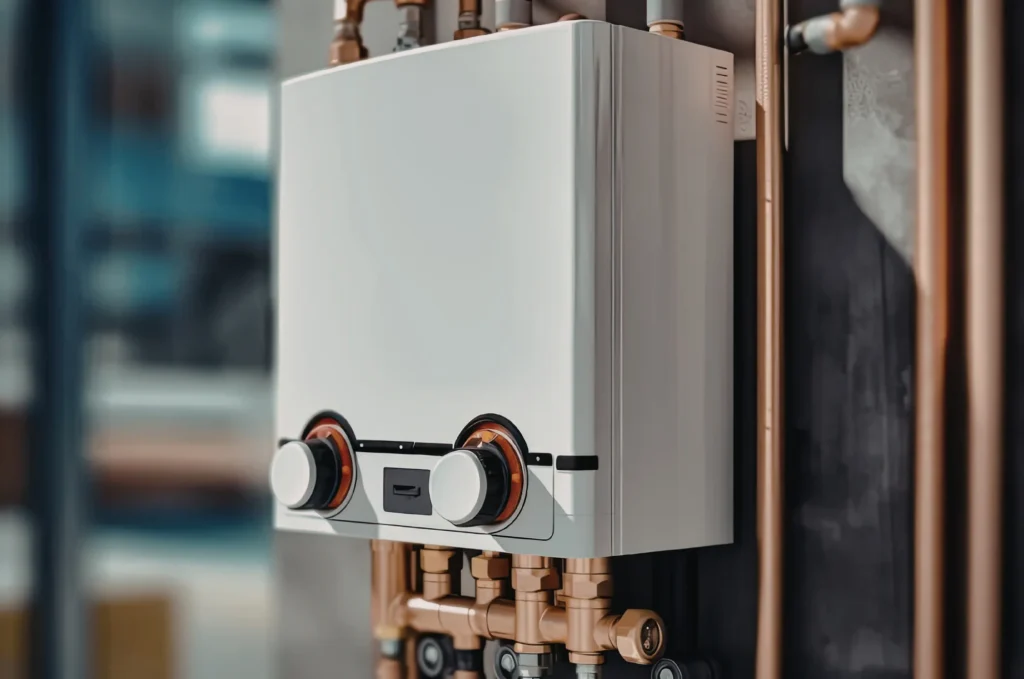
A water heater is one of the clearest examples of overlap. A plumber usually handles water lines, shutoff valves, drainage, venting rules on gas units, and the physical tank connection. An electrician handles circuit sizing, disconnects, dedicated breakers, wiring, and code issues tied to electric units.
If the issue is a leaking tank, failed valve, or pipe connection, a plumber is often the right first call. If the issue is no power, a tripped breaker, failed wiring, or a problem with the unit’s electrical feed, an electrician is often needed. For a full replacement, both trades may be required depending on the model and local code.
This is where the electrician-versus-plumber question becomes a practical one rather than a broad comparison. The answer depends on which part of the water heater system failed and whether the work changes the electrical load, the water supply, or both. A licensed contractor should review any job that involves new wiring, gas lines, or permit-triggering replacement work.
Key Differences and Common Jobs
The main difference is the system each trade is trained to work on. A plumber focuses on supply lines, drains, fixtures, water heaters, and pipe routing.
An electrician focuses on service equipment, circuits, outlets, lighting, and grounding, as well as installing, repairing, and maintaining power distribution systems and connected devices.
In daily home service, these differences show up in common jobs. A plumber working on a sink leak, toilet flange, drain clog, or pipe replacement stays inside the plumbing system.
A technician pursuing a career as an electrician works with conductors, overcurrent protection, panel capacity, and device wiring inside structured electrical layouts.
Some jobs confuse homeowners because the equipment touches both systems. Dishwashers, garbage disposals, washing machines, sump pumps, and tank water heaters can all involve both utility connections and electrical components. Remodels also create overlap because layout changes may require new pipes, new circuits, or both.
Robert “Bobby” Mulholland, Grounded Electric’s licensed electrician and subject-matter expert, works on the project’s electrical planning, code compliance, and field review of load and circuit needs.
That distinction matters because even when one contractor starts the job, the other trade may still need to complete a separate code-regulated step. Clear scope division helps avoid delays, failed inspections, and unsafe work.
Safety, Licensing, and Code Rules
A plumber cannot simply take over electrical work because a project includes water, and an electrician cannot simply take over plumbing because a fixture uses power.
Licensing rules, inspection standards, and code requirements set limits on what each trade can perform. Those limits protect safety, property, and system performance.
Electrical work carries risks of shock, fire, and overload. Plumbing work carries risks of leaks, pressure issues, drainage problems, and water damage. When a project involves both systems, the safest approach is to define each scope clearly before work starts.
DIY mistakes are common in mixed-system projects because the visible problem is not always the root problem. A failed disposal may look like an appliance issue, but the cause may be a bad connection, a tripped circuit, or a clogged drain.
Professional evaluation is important when the job involves concealed wiring, water supply lines, load calculations, permit requirements, or inspection rules, which is one reason to hire an electrician for code-sensitive electrical work.
Plumber vs Electrician Pay
According to the Bureau of Labor Statistics (BLS), the 2024 average salary benchmark most readers use is the median annual wage: about $62,970 for plumbers, pipefitters, and steamfitters, and about $62,350 for electricians.
That means plumber vs electrician pay is nearly even at the national level, with plumbing slightly ahead by about $600 per year, while the salary for electricians remains very competitive. Electricians’ salaries can increase with licensing, specialization, and experience over time.
Your actual earnings can still vary widely based on working conditions, work environment, location, license level, union status, overtime, and specialty.
A worker in a strong metro area, a union shop, or a specialty niche may earn far above the national median in either trade. That is why job security and pay should be weighed together, and why the ongoing demand for electricians and the steady need for plumbing services both support long-term stability in these fields.

Working Conditions and Work-Life Balance
Working conditions can be just as important as pay when comparing these two fields. Plumbers often work with water lines, drains, crawl spaces, and trenches, and respond to emergency leak calls. In contrast, electricians often work around panels, service equipment, ladders, unfinished framing, and energized systems that require strict safety control. Both jobs can be physically demanding, but the type of strain is often different.
The work environments also vary by role and employer. A residential service plumber may spend more time handling urgent repairs and wet-system problems. In contrast, an electrician may spend more time testing circuits, tracing faults, or planning installations in homes, commercial spaces, or new construction. In both trades, schedules can shift when emergency service, overtime, or project deadlines are involved.
Work-life balance depends less on the trade title and more on the type of work you choose within it. Service roles may involve more after-hours calls, while construction-focused roles may have steadier daytime schedules. For someone comparing career paths, this means the better fit is often the trade whose daily routine, pace, and field conditions match your preferences over time.
Plumber or Electrician Apprenticeship
Training usually starts through trade schools, unions, employers, or an apprenticeship program. Both fields have structured learning, supervised fieldwork, and licensing steps, but the details differ by state and employer. Some people start at the entry level through classroom instruction, while others begin directly in the field under supervision.
For career planning, it helps to compare the physical demands and the type of systems you want to work with. Plumbing can involve drains, supply lines, trenching, fixture setting, and service work in wet or confined spaces. Electrical work often involves panels, conduit, branch circuits, service upgrades, testing, and detailed troubleshooting.
This is why broad trade comparisons should not rely on pay alone. The best fit often depends on skill preference, tolerance for physical strain, comfort with diagnostics, and long-term work-life balance. Both trades offer strong career options, but the right choice depends on how you want to spend your workday.
How to Hire the Right Pro
For homeowners, the best first step is to identify the system that failed. If the issue involves leaks, low water pressure, drainage, or pipe connections, start with a plumber. If the issue involves no power, flickering lights, breaker trips, dead outlets, or panel concerns, start with an electrician.
A few simple questions can narrow the decision:
- Is the main problem water, drainage, or piping?
- Is the main problem power, wiring, or tripping breakers?
- Does the equipment need both utility connections and electrical service?
- Will the work require permits, inspection, or code review?
If the job includes a generator, transfer equipment, service upgrade, or home and office automation, an electrician should review it early. Barret Abramow, Project Manager and Co-Owner at Grounded Electric, helps coordinate project scope when electrical planning affects scheduling, access, and field execution.
If a project also involves standby power equipment, Grounded Electric’s Generac Certified status is relevant as a credential tied to generator work, not as a general substitute for trade scope review.
For people comparing plumbers, electricians, and HVAC technicians, HVAC is a separate trade with its own licensing path and system focus. HVAC contractors handle heating, cooling, air movement, refrigerant systems, and related controls.
A single project can involve HVAC, plumbing, and electrical scopes, but each trade still works inside its own code and license boundaries.
Final Answer for Homeowners and Students
For a home problem, choose the trade based on the system involved: plumbers handle water and pipe systems, and electricians handle power and wiring systems.
When making a career decision, compare training, working conditions, demand, pay, and long-term fit rather than focusing on a single number. Both are essential skilled trades, and both can lead to stable careers.
The most useful answer to the question of whether a plumber or an electrician is better is that neither trade is inherently better than the other.
It is understanding which one matches the job, the safety risk, and the system in front of you. That is what leads to better decisions for homeowners, apprentices, and anyone comparing these two paths.