



The advantages of a smart home include better control, stronger security, and an easier daily life when the system is planned correctly. A smart home can connect lighting, climate control, entry points, and monitoring tools via schedules, sensors, apps, and voice commands.
Grounded Electric is a New Jersey electrical contractor, and this article explains smart home technology in a practical, code-aware way. The value depends on the home’s wiring, device compatibility, internet stability, and the owner’s goals.
Key Takeaways
The advantages of a smart home include better control, stronger security, easier routines, and improved awareness of how systems operate throughout the day.
Smart home devices such as smart thermostats, smart locks, security cameras, and smart lighting can help reduce energy waste and improve convenience when set up correctly.
The benefits of smart home automation are most noticeable in scheduling and routines, where devices respond automatically rather than requiring constant manual input.
Smart homes also come with limits, including upfront cost, subscription fees, privacy concerns, and compatibility issues between devices and platforms.
A smart home is usually worth it when the system matches the home’s wiring, layout, and daily needs, and when installation planning is handled carefully.
What Are the Benefits of Smart Homes?
The benefits of smart homes usually center on convenience, safety, comfort, and efficiency. A smart home system can automate routine tasks and give homeowners greater visibility through real-time alerts. The benefits of smart home technology also include improved control over lighting, temperature, and access points.
Energy management is another key benefit. A smart thermostat, smart light, and other energy-efficient controls can reduce unnecessary runtime and support energy-saving habits. Actual results vary based on insulation, weather, home size, and overall energy consumption.
Better Security and Alerts
Security is a major reason homeowners add smart home devices. Security cameras, smart locks, and a motion sensor can monitor the front door and other entry points, then send alerts when activity occurs. This can add peace of mind, especially when devices are remotely controlled through a phone.
Lower Energy Use and Bills
Smart controls can reduce waste by aligning operations with actual use. A smart thermostat can adjust settings when the home is empty, while a smart light can turn off on a schedule or based on occupancy. These tools do not guarantee lower bills, but they support more consistent energy-efficient operation.
More Comfort and Convenience
Convenience matters because small tasks repeat every day. Homeowners can use voice commands to control lights, temperature, or plugs without moving from room to room. This is one of the clearest benefits of smart home automation.
Remote Access and Control
Remote access lets users check and adjust the home when they are away. A phone can lock a door, review a camera, or change a setting after plans change. This type of control is useful, but it depends on reliable hardware, app support, and secure setup.
What Is a Smart Home?
A smart home is a house that uses connected devices to automate or manage tasks. A smart device can be a single plug, bulb, lock, or camera, or part of a larger home automation system (if you want to know more, see the Home Automation and Wiring Guide for Modern Smart Homes). The goal is to improve comfort, safety, and control with a single coordinated setup.
How do Smart Homes Work?
Most systems rely on Wi-Fi, hubs, sensors, apps, or cloud services. Devices receive a command or trigger and then respond by turning on, locking, adjusting the temperature, or sending an alert. Robert “Bobby” Mulholland, Grounded Electric’s licensed electrician and subject-matter expert, would treat wiring condition, grounding, and compatibility checks as basic planning steps.
Is Alexa a Smart Home Device?
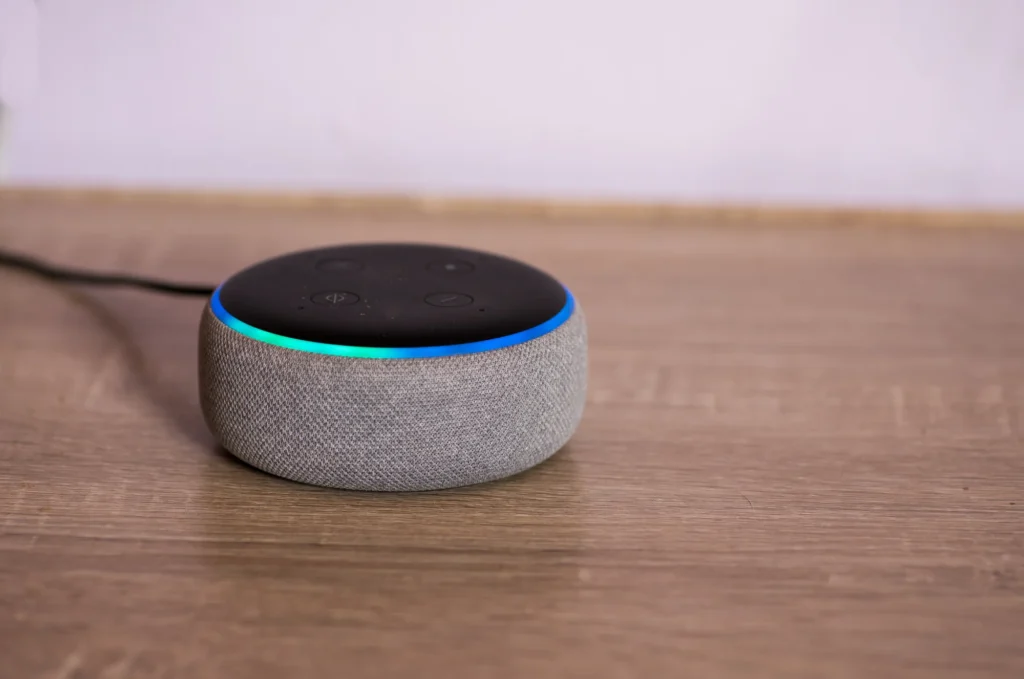
Yes. Alexa is part of a smart home system, but it is usually the control platform rather than a device category.
It lets you control smart home devices like:
Smart lights
Smart thermostat systems
Smart locks
Security cameras
Plugs and switches
So Alexa works as a smart home controller, and Amazon Echo devices are often the hardware people use to run it, especially when comparing the best smart speakers for home.
Smart Home Drawbacks and Concerns
Smart homes can make a house easier to manage, but they also add new layers of cost, maintenance, and risk. Device pricing, subscription fees, internet dependence, and software updates can affect how useful the system feels over time. Privacy also matters because cameras, microphones, and app-based controls may collect and store sensitive data.
Compatibility is another key issue. Not every smart device works well with every platform, and mixed systems can lead to connection problems or limited features. Hardwired controls, smart panels, exterior lighting, and other line-voltage upgrades may also require a licensed electrician to review load, wiring condition, grounding, and code requirements before installation.
Why Some Homeowners Push Back Against Smart Homes?
Some homeowners prefer manual systems because they are simpler to troubleshoot. Others do not want subscriptions, extra notifications, or added data collection inside the home. So the setup should match real habits rather than add unnecessary complexity.
Privacy and Compatibility Concerns
Privacy is a real part of smart home planning. Indoor cameras, voice assistants, and cloud-based apps may collect video, audio, location, or usage data, so homeowners should review privacy settings, account security, and data-sharing options before setup. Strong passwords, two-factor authentication, and regular software updates can reduce risk, but they do not remove it.
Compatibility is just as important. A smart home system works best when devices, apps, and platforms are designed to work together. When brands use different standards, features may be limited, automations may fail, and troubleshooting becomes harder.
In projects with multiple smart home devices, Barret Abramow, Project Manager and Co-Owner at Grounded Electric, would be a key point of coordination, as device planning often affects how smoothly the system operates as a whole.
Benefits of Smart Home Automation
The benefits of smart home automation are easiest to see in everyday use. Automation lets a smart home system handle routine actions on its own, so lights, climate, locks, and other smart home devices respond based on time, motion, or settings instead of requiring constant manual control.
This can make daily life easier, reduce missed tasks, and help the home run more consistently. If you want to know more, see: Smart Home Cost: Complete Guide to Installation and Pricing
Smarter Lighting and Climate Control
Lighting and climate are often the best starting points. A smart thermostat can improve comfort and efficiency, while a smart lighting setup can reduce runtime waste. These upgrades are simple to understand and easy to adjust over time.
Schedules, Routines, and Daily Tasks
Routines can combine multiple actions into one step. A “leave home” routine might turn off lights, lock doors, and change thermostat settings. That makes control simpler and more consistent.
Smart Home Security Features
Security features are one of the strongest reasons to invest in a smart home system. Cameras, locks, and sensors can work together so one event triggers another response. For example, a motion sensor can activate lights, record video, and send an alert in real time.

Is There a Monthly Fee for Smart Homes?
A smart home does not always require a monthly fee. Some products have only one-time equipment costs, while others charge for cloud storage, monitoring, or premium features. Homeowners should compare the upfront and long-term costs before choosing a system.
How to Build a Smart Home?
The best way to start is with clear goals and a small number of useful devices. Professional installation is worth considering when the project affects line voltage, panels, exterior wiring, or integrated controls.
Is a Smart Home Worth It?
Yes. A smart home is worth it when the devices solve real problems and fit the home’s layout, wiring, and routine. The benefits of smart homes are strongest when the system improves comfort, safety, and control without adding stress. So careful planning usually matters more than the number of devices installed.
