


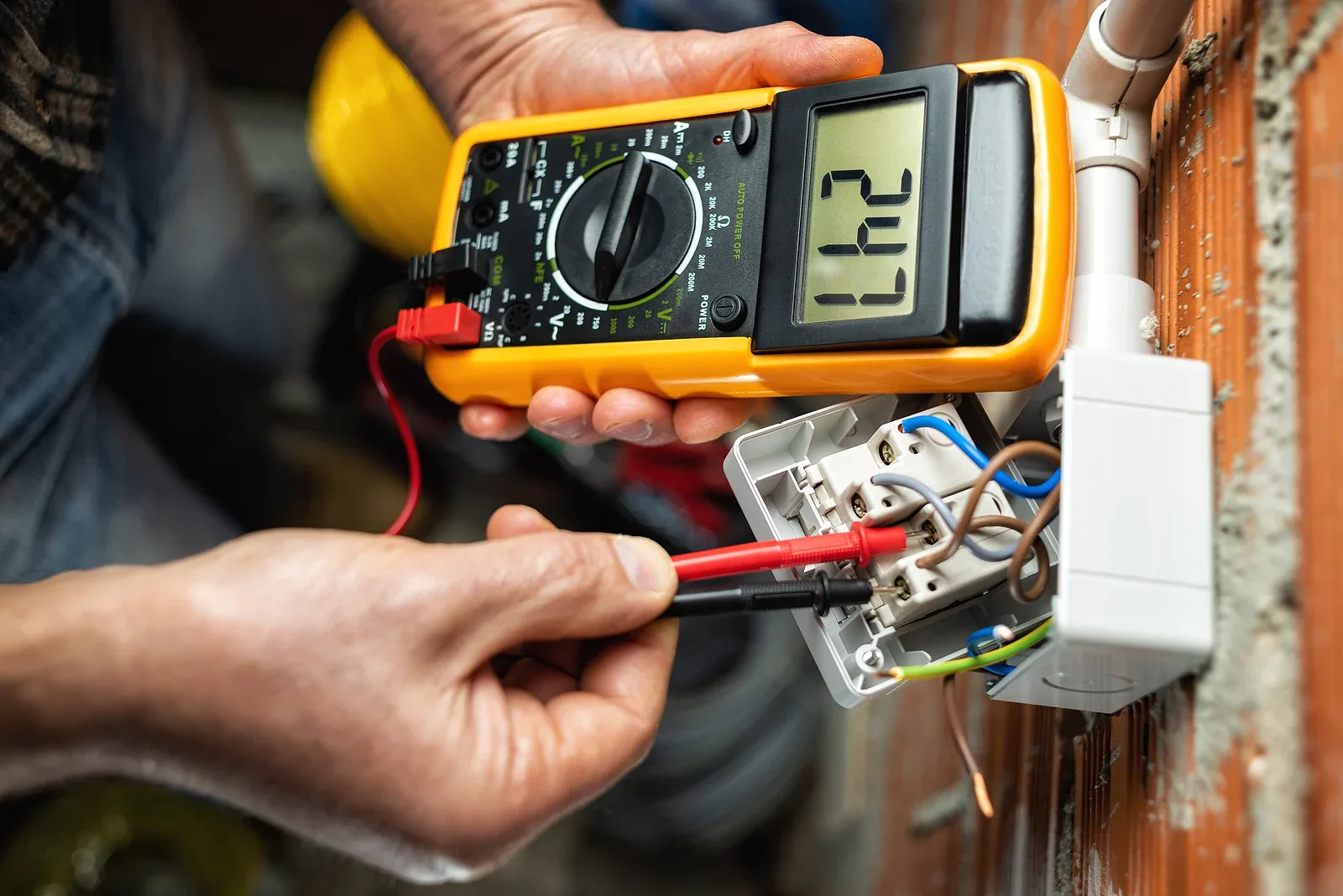
An electrical safety evaluation for older homes looks for safety risks in aging electrical systems. The goal is to check if the home’s electrical system can safely handle current use and follow electrical codes. The evaluation reviews wiring, the electrical panel, grounding, and safety devices.
Grounded Electric treats this work as a technical review, not a sales service, with findings documented for planning and compliance across its work as a licensed electrician serving Bergen County.
Key Takeaways
- Electrical safety evaluations for older homes review wiring, panels, grounding, and safety devices to confirm that the system can handle modern electrical loads and comply with electrical codes.
- Older homes face higher safety risks due to outdated wiring, overloaded circuits, and aging parts, which can raise the risk of electric shocks and fire hazards.
- Electrical safety inspections help identify hidden problems such as loose connections, missing ground-fault circuit interrupters, and undersized panels before failure occurs.
- The scope and cost of an electrical evaluation depend on home size, system age, and access, and the results inform maintenance, panel upgrade decisions, and code-compliance planning.
- Homes built before modern electrical standards often show warning signs that suggest a review is needed.
What an Electrical Safety Evaluation Includes
An electrical safety evaluation checks how electricity enters and moves through a home. It serves as the basis for a comprehensive electrical home safety inspection. Inspectors review circuit breaker wiring, distribution paths, and system response under load. The focus is on safety, capacity, and electrical codes, not appearance.
Electrical safety inspections use testing tools and visual checks. Inspectors verify that parts comply with current electrical standards. Findings are written down to support future planning.
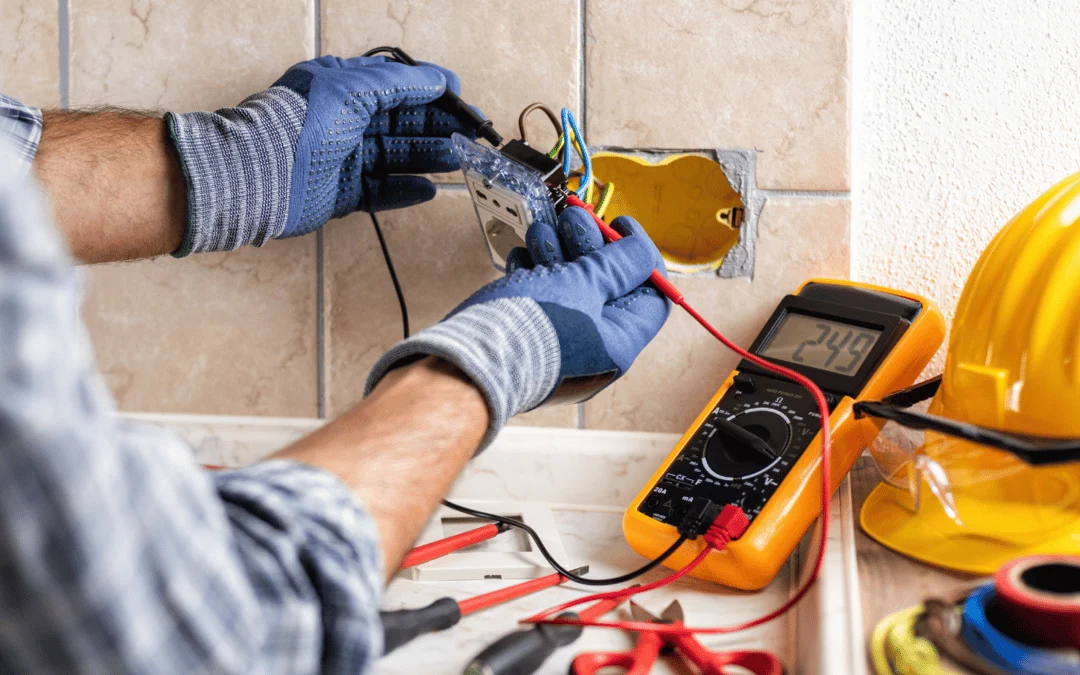
How to check if house wiring is safe
Wiring checks focus on wire type, insulation, and connection points. Inspectors look for heat damage, loose connections, and outdated wiring that can fail. Tests may include grounding checks and basic resistance testing.
Some older homes still use knob and tube wiring. This wiring lacks grounding and cannot handle modern electrical loads. Finding it early helps guide repair or replacement planning.
Panels, outlets, and grounding checks
The electrical panel is checked for clear labels, breaker condition, and safe wiring. Outlets are tested for correct grounding and polarity, especially in kitchens, bathrooms, and outdoor areas. Ground-fault circuit interrupters are tested to reduce the risk of electric shock.
Grounding systems are reviewed to ensure they provide a safe path for fault current. Poor grounding can lead to safety problems and system damage.
Why Older Homes Need Safety Evaluations
Older homes were built for lower electrical use than homes today. Modern appliances and electronics place more strain on circuits. Without checks, this can overload circuits and create hidden safety risks.
Regular inspections help find problems that increase the risk of failure. An electrical safety evaluation for older homes helps track wear and rising electrical loads over time.
Fire and shock risks
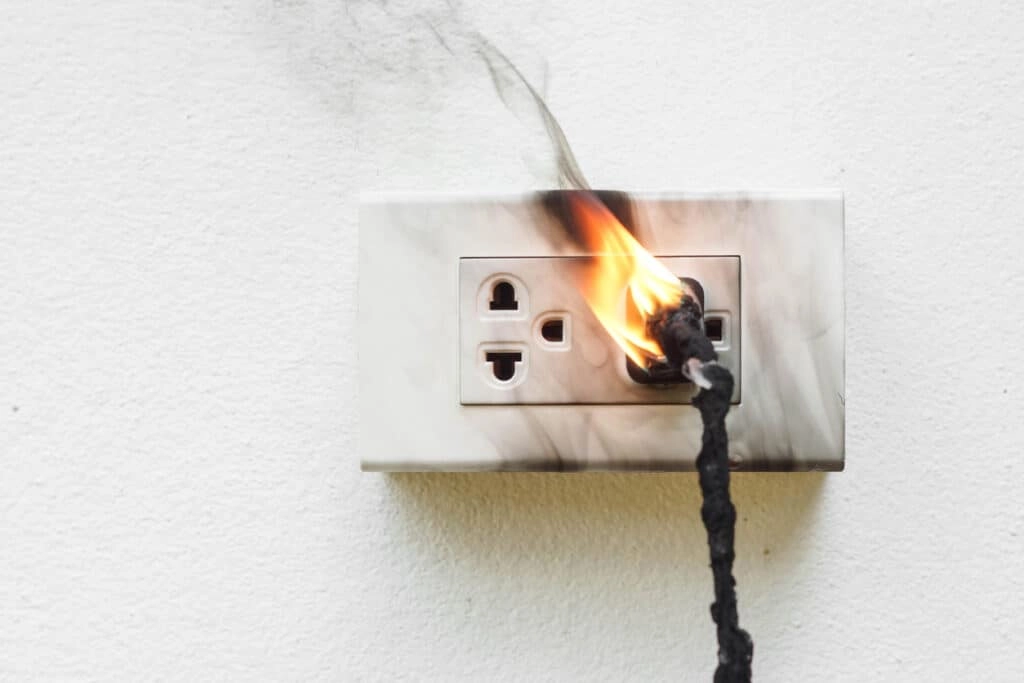
Fire hazards often come from loose wires, worn insulation, or undersized conductors. These problems can cause heat to build up inside walls or panels without clear signs. Evaluations help find these issues early.
The risk of electric shocks rises when grounding or safety devices fail. Modern electrical design limits contact with live parts to reduce harm.
Common Electrical Problems in Older Homes
Many older homes share similar electrical issues due to age and materials. These problems often stay hidden until something stops working. Evaluations help identify patterns associated with outdated electrical systems.
Inspectors conducting the most thorough electrical inspections often find loose connections in the electrical panel, undersized wiring for modern electrical loads, and missing ground-fault circuit interrupters. These issues may not fail right away but increase risk over time.
Common issues include:
- Loose or damaged wiring connections
- Overloaded circuits serving many rooms
- Missing safety protection devices
Outdated wiring types
Some wiring materials no longer meet electrical codes. Insulation damage and poor splices are common in older systems. These problems raise the risk of shorts and overheating.
Overloaded or unsafe panels
Older panels may not support today’s circuit needs. Frequent breaker trips or warm panels point to capacity limits. These findings often support a panel upgrade.
What Is the Best Home Electrical Panel
The best electrical panel depends on the home’s load needs and layout. Evaluations look at current electrical loads and future plans. This helps ensure safe capacity.
Inspectors focus on safety and performance, not brands. This supports long-term system reliability.
Panel size and capacity
Panel size is based on electrical loads, not home size alone. Load checks include appliances, lighting, and dedicated circuits. Correct sizing helps avoid overloaded circuits.
Modern safety features
Modern panels have better breaker design and fault control. Evaluations confirm the system supports these safety features and current standards.
Who Should Perform an Electrical Inspection
Electrical inspections should be performed by licensed professionals trained in residential electrical systems. Knowledge of electrical codes is needed for accurate results.
Grounded Electric inspections are overseen by licensed electrician Robert “Bobby” Mulholland, who brings field experience to electrical safety inspections.
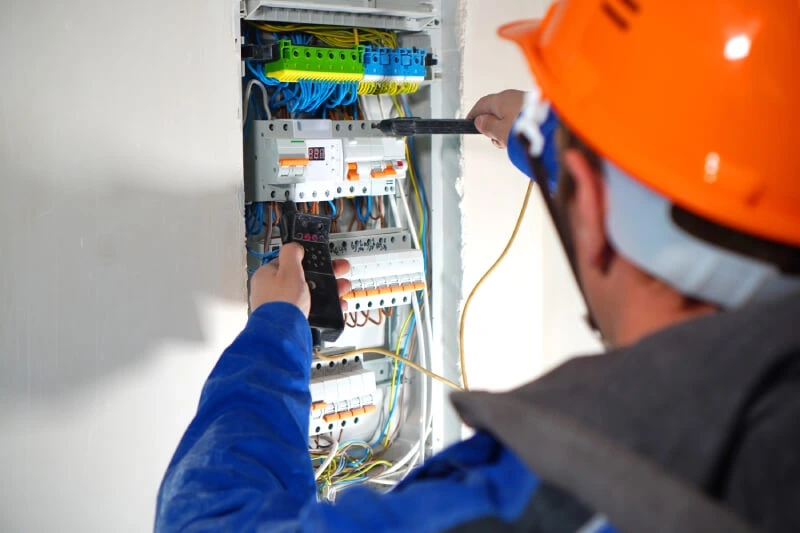
Can any electrician do an inspection?
Not all electricians perform formal evaluations. Inspections require testing skills, record-keeping, and experience with legacy systems.
Why licensing matters
Licensing confirms training and accountability. Project coordination may involve Barret Abramow, Project Manager and Co-Owner, for scheduling and planning support.
How Much Does an Electrical Evaluation Costs
An electrical safety evaluation typically costs between $150 and $300 for a standard residential inspection. The price depends on home size, system age, and the ease of accessing wiring and panels.
A standard evaluation usually includes the electrical panel, key circuits, grounding, outlets, and written findings. Larger or older homes may cost more due to added inspection time and testing.
Cost factors to consider
Costs may increase due to attic access, crawl spaces, or outdated electrical systems that require additional inspections. These factors affect time on site.
When to Schedule a Home Safety Evaluation
Evaluations are useful during home sales, renovations, or when warning signs appear. Regular inspections help track system wear.
Scheduling inspections at the right time supports maintenance planning, especially when homeowners are preparing for an electrical inspection.
What to Do After the Evaluation
Evaluation results help plan next steps based on safety and electrical codes. Findings guide repair timing and priorities.
Recommended upgrades
Upgrades may include wiring replacement, grounding improvements, or a panel upgrade. Each step is based on inspection results.
Code compliance planning
Planning helps align the home’s electrical system with current electrical codes. Reports support future work and long-term care.
Next Steps After an Electrical Evaluation
If an electrical safety evaluation raises questions or identifies next steps, scheduling a consultation can help clarify options. A consultation allows a licensed electrician to review findings, explain electrical issues, and outline code-aware solutions based on the home’s electrical system.
Grounded Electric offers consultations focused on safety, planning, and compliance, not sales. This step supports informed decisions before repairs, upgrades, or long-term electrical work begin.
