


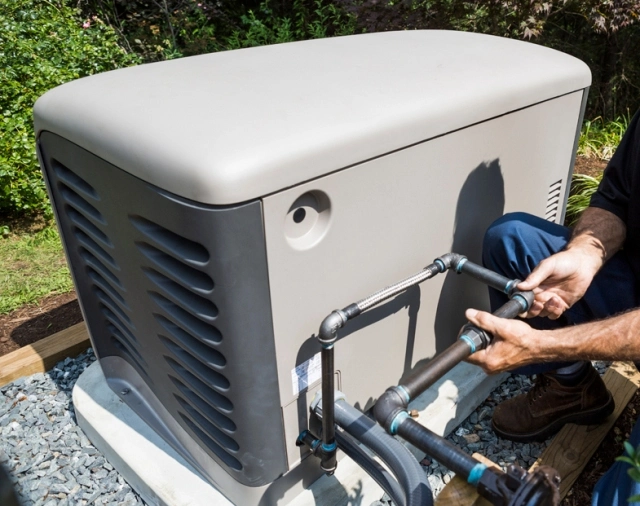
A propane line for a generator requires careful setup and planning. The gas line must supply steady fuel so the generator can start and run under load. This process differs from natural gas systems because propane pressure and fuel flow vary with distance and pipe size.
Main steps in propane gas line installation include confirming generator fuel demand and BTU requirements, checking propane tank size, regulator type, and pressure output, calculating pipe size and distance to maintain proper fuel flow, installing and connecting approved gas piping and fittings, and pressure testing the system to inspect for leaks before startup.
Grounded Electric reviews each installation as a complete system. The sections below explain the main steps, limits, and safety checks.
Key Takeaways
- Correct tie-in location, pipe size, and regulator setup decide whether a generator runs without issues.
- Install a propane line from the tank to the generator before the appliance regulators to avoid pressure loss.
- Undersized or poorly routed gas lines often cause failed starts or shutdowns.
- Code checks and pressure testing help confirm safe and steady operation.
How to Hook Up a Gas Line to a Generator
A generator gas line must carry fuel from the tank to the generator at the right pressure. If pressure drops, the generator may not start or stay running. Installers plan the route before making connections. This step helps avoid problems later.
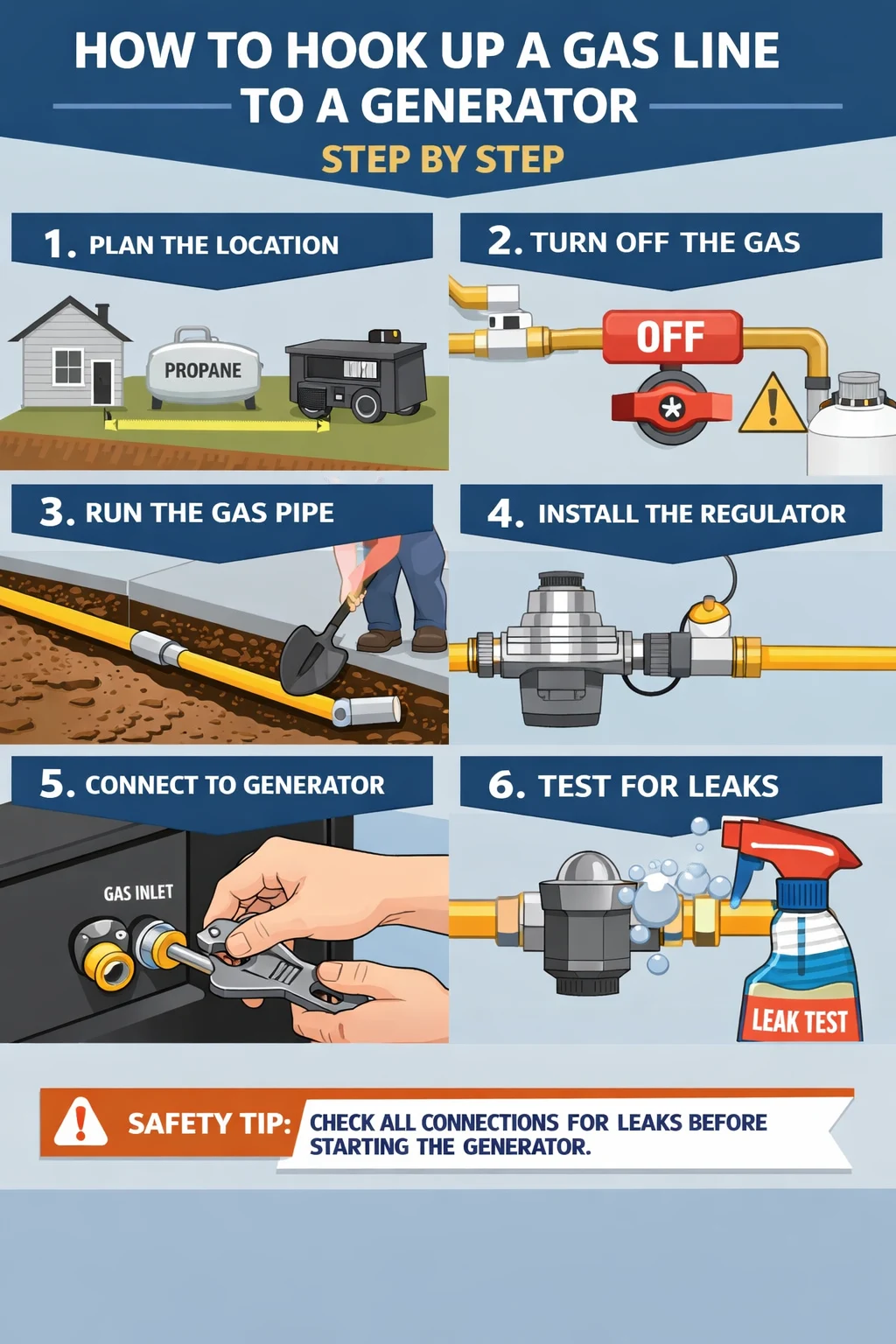
How to Connect a Gas Line to a Generac Generator
Generac manuals list the required inlet pressure and fuel type. When installing a propane line from the tank to the generator, the connection usually happens before the appliance regulators. This helps the generator get enough fuel during startup.
Grounded Electric is Generac Certified and supports setup and ongoing Generac service in NJ. Robert “Bobby” Mulholland, a licensed electrician, reviews these requirements before work begins.
Basic Connection Steps
- Check fuel type and inlet pressure
- Use approved pipe and fittings
- Install a shutoff valve near the generator
- Support and seal the pipe correctly
Gas Line Requirements for Generators
Fuel demand determines the pipe size and layout. A generator’s propane line that is too small can restrict fuel flow. This problem often appears during startup. Generator size, BTU load, and distance all affect the final design.
What Size Gas Line for 14kW and 22kW Generators
A 14kW generator usually requires a 3/4-inch propane gas line for short runs, while a 22kW generator often needs a 1-inch line or larger. The exact size depends on the length of the line from the tank to the generator. Longer distances increase pressure loss and may require upsizing the pipe. Manufacturer sizing charts confirm the correct size based on BTU load and distance.
Running a Propane Line From the Tank
Line routing affects safety and performance. Short and direct paths reduce resistance. Fewer fittings also help keep pressure stable. Protection from damage matters too.
Why Tie-In Location Often Causes Failure
Many problems start at the tie-in point. Connecting after the appliance regulators lowers fuel pressure. This often causes hard starts or shutdowns. Proper placement avoids this risk.
Where to Tie Into the Propane Supply
The tie-in point is usually before appliance regulators. This allows full fuel flow to the generator. Local code and manuals guide this choice.
Pipe Materials and Connection Types
Pipe material must meet code and site conditions. Above-ground and underground lines follow different rules. The right choice improves safety and life span.
Rigid Pipe vs 3/4 Flexible Gas Line for Generator
Rigid pipe is strong and stable. Flexible connectors help with alignment but have length limits. Codes restrict where flexible sections can be used.
Regulators and Gas Pressure Setup
Regulators control fuel pressure. The generator needs pressure within a set range. Poor setup can cause shutdowns. Correct pairing is critical.
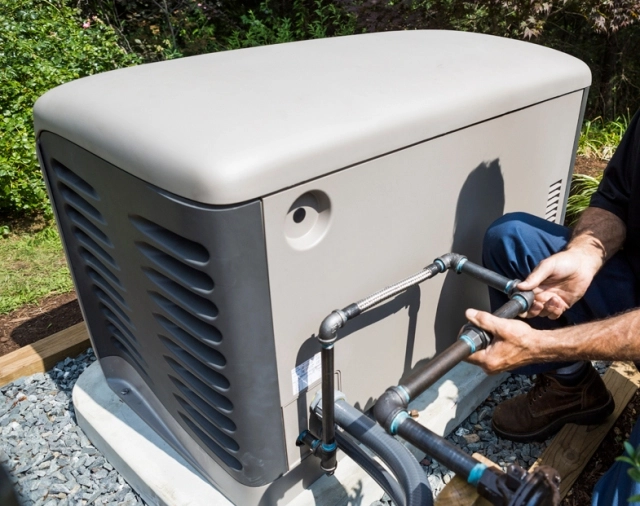
Tank Regulator vs Generator Regulator
Tank regulators lower high tank pressure. Some generators add a second regulator. Both must work together.
How Dual Regulators Can Cause Pressure Loss
Two regulators can reduce pressure too much. This often leads to startup failure. Proper setup prevents this problem.
Cost to Install a Propane Gas Line
The cost to install a propane gas line for a generator usually ranges from $1,200 to $3,500. Short, above-ground runs with easy access tend to fall on the lower end. Longer distances, underground trenching, or larger generators increase labor and material costs.
Permits, inspections, and pressure testing also affect the final price, which is why estimates vary when reviewing home generator installation cost in NJ.
Propane Generator Runtime Factors and Fuel Use
Runtime depends on tank size and load. Higher load uses more fuel. Fuel choice also matters when comparing systems such as diesel vs. propane generators. Estimates give general guidance only.
7500 Watt Generator Runtime on a 20 lb Propane Tank
A 7500-watt generator typically runs 6 to 10 hours on a 20 lb propane tank at partial load. At full load, runtime often drops to 3-5 hours because fuel consumption increases. Manufacturer data provide estimates; how long a generator runs on propane depends on load and fuel supply.
Next Steps for Your Generator Setup
Propane gas line setup depends on generator size, distance, and local code. Grounded Electric can review your setup and answer technical questions. Scheduling a consultation helps you plan the installation with clarity.
