


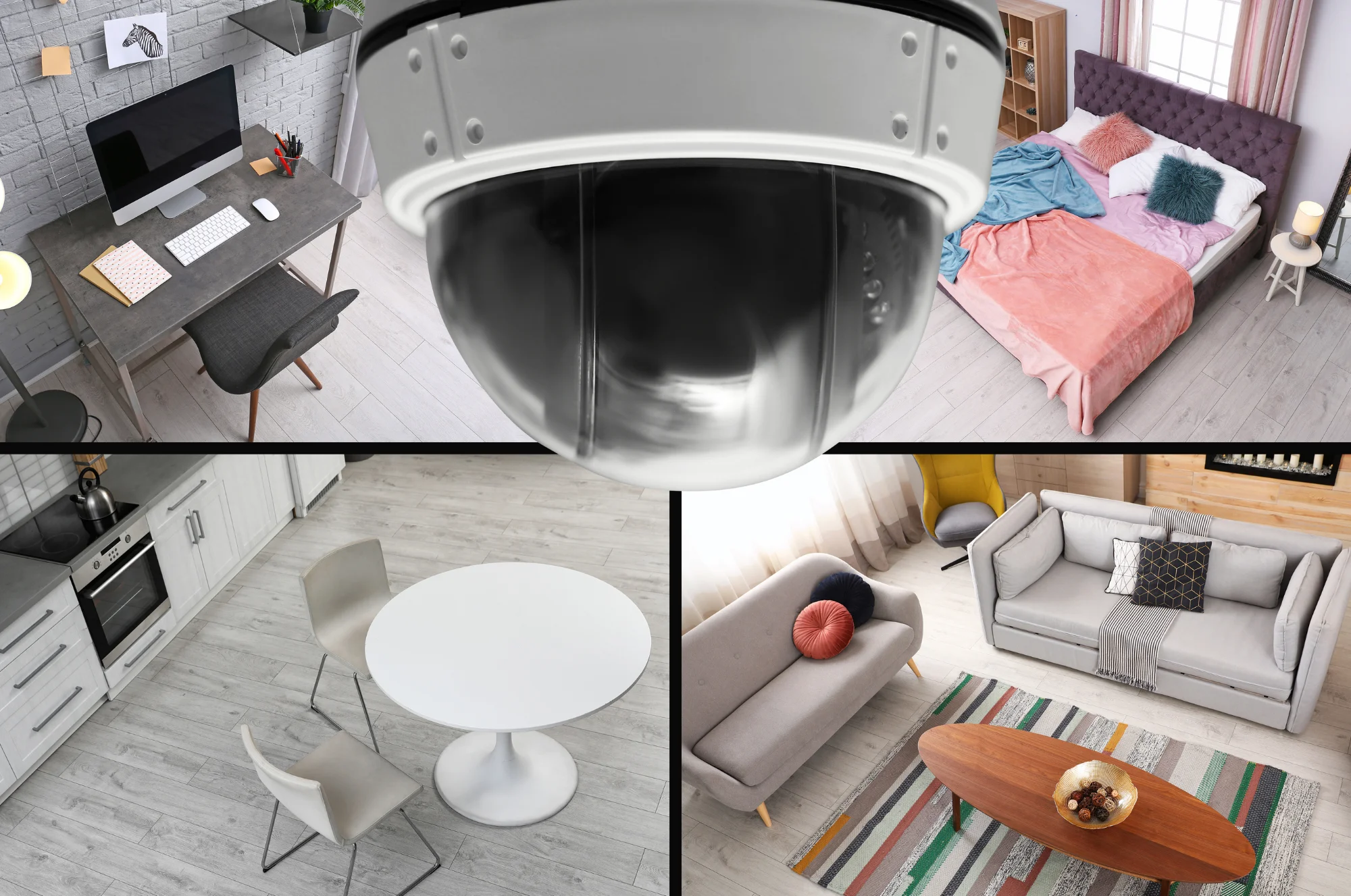
The best answer to where to place security cameras is to cover areas of the house where people enter, move through, or approach valuables, while avoiding private spaces and weak angles. Most homes need cameras at the front door, side door, driveway, garage, and key indoor paths such as hallways or other common areas.
Grounded Electric treats camera planning as a part of a larger electrical and low-voltage layout. Placement should match the home’s structure, power access, Wi-Fi strength, and lighting conditions. The goal is clear security-camera coverage that supports entry-point monitoring, package visibility, and safer home security.
Key Takeaways
Place security cameras at the main access points first, including the front door, side door, driveway, garage, and key indoor pathways connecting common areas.
Outdoor camera placement should account for height, angle, lighting conditions, and possible blind spots so the camera captures useful detail without easy interference.
Indoor cameras work best in hallways, garage entries, stairs, and other shared routes, but they should stay out of bedrooms, bathrooms, and other private spaces.Good security camera positioning gives each camera a clear role, which helps improve coverage and reduce wasted overlap in the surveillance system.
Before installation, review Wi-Fi strength, privacy laws, maintenance access, and whether the setup needs professional help for hardwired power or complex routing.
Best Places to Install Security Cameras
The best camera placement for home security starts with access points. Most homes should position cameras at the front door, side door, back door, driveway, and garage, as these areas capture arrivals, deliveries, and potential entry points. A floor window near a porch or side path may also need coverage if it gives easy access from outside.
The number of cameras depends on the size of the house, the layout, and how many entry routes need to be watched. Good security camera placement also includes hallways, stair landings, and other common areas that connect rooms without invading privacy. When installing cameras, each unit should cover a single clear task rather than overlap without purpose.
Where to Place Outdoor Security Cameras?
When deciding where to place outdoor security cameras, start with areas of potential entry points to your home. These are often the best locations for security cameras because they show approach routes before a person reaches the house.
Strong surveillance camera placement outside should capture movement early, not just record someone already at the door.
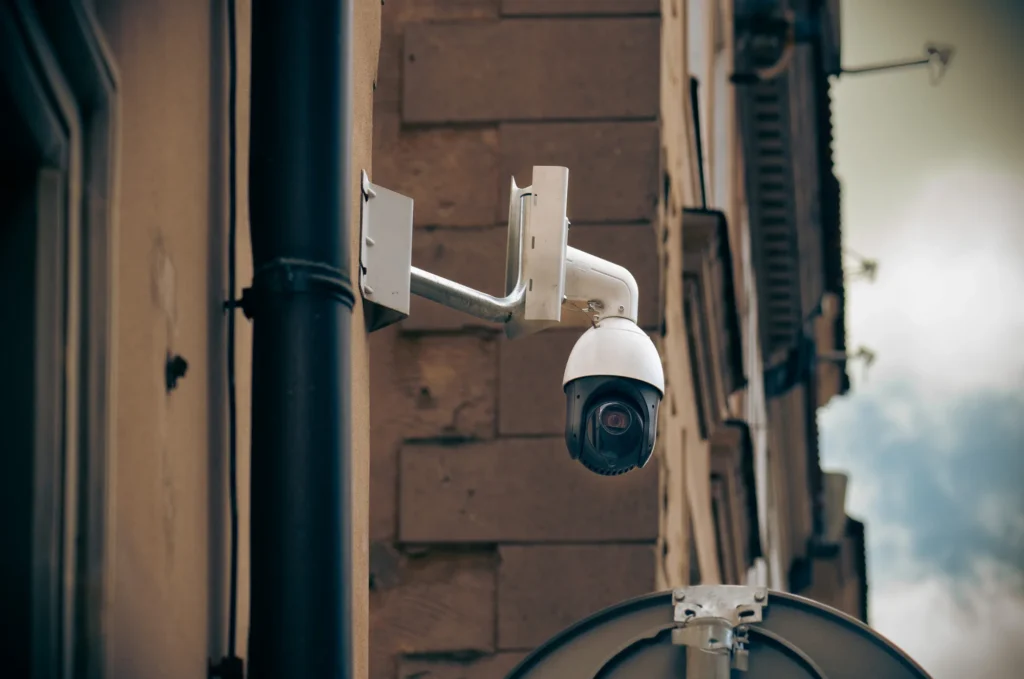
Mounting cameras outside also requires the right height and angle. A camera placed too low can be blocked or tampered with, while one placed too high may lose facial detail.
The lighting conditions matter too, because a bright light, direct sun, or headlights can reduce image quality, especially with motion-detecting features at night.
Best Indoor Camera Placement
The best places to put surveillance cameras inside are near the main entry path, the central hallway, the garage entry, or the stairs. An indoor camera can also work in a living room if that space connects several routes through the house. This approach supports home security camera positioning without repeating outdoor views.
Indoor cameras should stay out of bedrooms and bathrooms. Good security camera positioning focuses on traffic flow and risk areas, not private spaces. Before final installation, test Wi-Fi strength and viewing angles to ensure the camera stays stable and useful.
Security Camera Positioning and Coverage
Security camera positioning is not just about aiming a device at a door or walkway. It means matching the camera’s angle, height, and field of view to the area being watched so security camera coverage is clear, useful, and not wasted on the wrong space.
In many homes, a wide-angle camera works well for larger outdoor zones like a driveway or a backyard path, while a narrower view is often better for a front or side door where detail matters more.
Good surveillance camera placement should help position cameras so each one covers a specific job, reduces blind spots, and supports the overall surveillance system without creating unnecessary overlap.
Front Door Camera Placement
A front door camera is often the first part of a residential surveillance system because it records visitors, packages, and direct approaches to the home. It´s useful, but it cannot protect the full property on its own.
The best camera placement for home security usually adds views of the driveway, side yard, or garage, so a surveillance camera does not miss movement outside the main entrance.
Where Not to Put Security Cameras?
Where not to put security cameras matters as much as where to place them. Cameras should not face bedrooms, bathrooms, or a neighbor’s private yard or windows. You should also avoid mounting cameras directly onto reflective glass, plants, or any bright light source, as these can degrade image quality.
In commercial properties, placement may include loading docks or staff-only zones, but those examples do not always fit a house. The point is simple: position cameras based on the property type and the purpose of the surveillance camera.
Common Camera Placement Mistakes
A common mistake is choosing the easiest spot to install security cameras instead of the most useful one. Homeowners may place units near an outlet or a strong Wi-Fi hotspot, but that does not always create a good view. Another mistake is using angles that are too wide or too narrow, which can hide detail or miss side movement.
Poor maintenance planning is another issue. Outdoor lenses get dirty, and motion-detecting settings often need adjustment after weather or seasonal light changes. When you install security cameras, make sure they can still be reached and cleaned safely.
Keep in Mind the Security Camera Placement Laws
Security camera placement laws vary by state and by whether the system records audio. Homeowners should check local privacy rules before installing security cameras, especially when the cameras’ views include shared property lines.
Robert “Bobby” Mulholland, a licensed electrician, would treat this as part of a code-aware installation plan, while legal questions should still go to a qualified local authority.
Security Camera Placement Tools
Simple diagrams can help homeowners map doors, fences, walkways, and camera views before mounting cameras. This makes it easier to see blind spots and decide the right number of cameras.
Barret Abramow, Project Manager and Co-Owner, would also consider real-world factors. These include soffit height, glare, and Wi-Fi limits that free planning tools may miss.
When to Call a Professional?
Professional help makes sense when the project needs hardwired power, long cable runs, floodlight integration, or a full surveillance system across several elevations. It also helps when home security systems need to connect to other smart devices.
In those cases, a qualified installer can review safe routing, device placement, and the best path for reliable surveillance camera placement, and you can contact Grounded Electric for project-specific details.
