


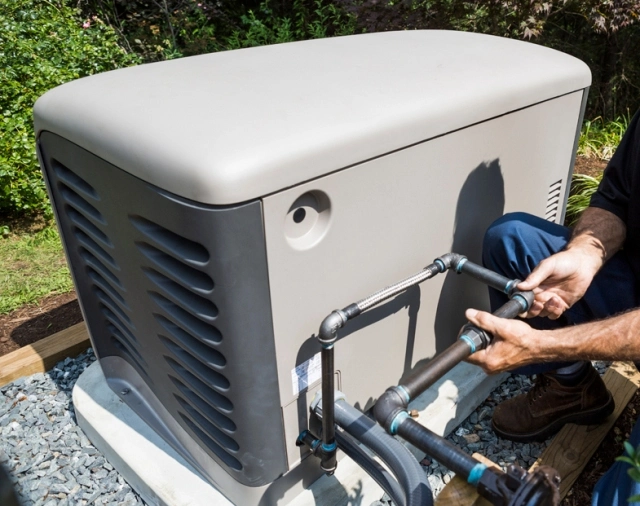
The choice between an electric generator and a gas generator depends on your power needs, as well as how long a power outage might last. In a typical comparison, gas units produce more power and can run longer if sufficient fuel is available, but electric models run more quietly and require less maintenance.
Grounded Electric reviews these systems by checking electrical loads, safety rules, and proper setup before any installation.
Key Takeaways
Gas generators deliver higher power output and can run large appliances such as refrigerators, sump pumps, and lights during extended power outages, provided fuel is available.
Electric generators store energy in batteries, run quietly, and require less maintenance, which makes them suitable for short outages, small devices, or indoor-friendly portable power.
Runtime differs significantly: gas generators run as long as fuel is available, while battery-powered generators operate only until their stored energy is depleted and must then be recharged.
Safety requirements differ because gas generators release exhaust gases and must operate outdoors, while electric generators produce no fumes and generate minimal noise.
Choosing the right generator depends on the home’s electrical load, expected outage duration, available fuel sources, and whether the system will power small devices or larger household equipment.
Gas vs Electric Generator: Key Differences
Generators provide electricity when utility power stops. In a gas vs electric generator comparison, the main difference is how the power is produced and stored. A gas-powered generator generates electricity by burning fuel, while battery-powered systems store electricity for later use. These are two common types of generators used as a backup power source.
Key differences include:
Power Output – A gas generator typically delivers higher power and can run larger equipment, such as sump pumps or refrigerators.
Fuel Source – Gas generators use gasoline, propane, or natural gas. Electric models store energy in batteries instead of using fuel.
Runtime – Gas powered systems run as long as fuel supply is available. Battery-powered generators run until stored energy is depleted.
Noise Levels – Gas-powered engines produce engine noise and exhaust gases. Electric generators run quietly.
Maintenance – Gas generators require engine maintenance. Battery-powered units require less mechanical service.
Licensed electrician Robert “Bobby” Mulholland explains that understanding these differences helps homeowners choose the right backup generator for their home.
Power Output and Performance
A gas generator typically produces more power than battery systems and can run refrigerators, lights, and sump pumps during outages. Electric units and inverter generators often power smaller devices. To choose the right size, add the wattage of the devices you want to run.
Noise Levels and Operation
Gas-powered engines make noise and release exhaust gases. As a result, they must run outdoors. Electric generators run quietly because they do not burn fuel. This makes them useful for indoor backup or camping.
Fuel Sources and Energy Storage
A gas powered generator needs a fuel source such as gasoline, propane, or natural gas. During long outages, the fuel supply may depend on nearby gas stations or stored fuel. Some generators connect to propane or natural gas lines for longer use, especially systems explained in this guide on how a natural gas generator works. Electric generators store energy in batteries that recharge from outlets or solar panels.
Maintenance Requirements
Gas generators need routine service such as oil checks and filter changes. Battery-powered units need less service, but batteries wear out over time. Robert “Bobby” Mulholland explains that simple maintenance helps keep generators ready for emergencies.
Gas vs Electric Generator Pros and Cons
Each generator design has strengths and limits, and understanding both helps people choose the right system.
Advantages of Gas Generators
Gas-electric generators provide strong power and long runtime when fuel is available. Many house generators use gasoline or propane engines, and these systems can run key equipment during outages. Refueling also takes only a few minutes.
Advantages of Electric Generators
Electric generators run quietly and produce no exhaust gases. Many models are battery-powered and easy to move. Inverter generators also provide stable electricity that protects electronics and medical devices.
What Are the Disadvantages of a Gas Generator?
People often ask about the disadvantages of a gas generator. These units produce engine noise and exhaust gases. They also need stored fuel and regular maintenance. If fuel supply becomes limited, the generator stops running.
Gas or Electric Generator for Home
Homeowners often compare generator systems when planning backup power. The best option depends on the home’s size and the duration of the outage.
Gas vs Electric Backup Generator for Outages
A backup generator that runs on gasoline or propane can run longer during power outages and can power refrigerators, lights, and sump pumps. Electric generators work well as a short-term backup power source for small loads.
Electric Generator for Home Use
Electric generators can run small appliances or medical devices during short outages. They recharge from outlets or solar panels. Project Manager and Co-Owner Barret Abramow explains that correct load checks help confirm if these systems meet home power needs.
Whole House Generator Options
Whole-home systems are larger house generators connected to the electrical panel via a transfer switch. Natural gas generators often power these systems because they connect to permanent gas lines. Grounded Electric is Generac Certified, which reflects training in standby generator installation.
Gas Generator vs Battery Generator
The gas generator vs battery comparison focuses on runtime and charging.
Runtime and Refueling
Gas generators run as long as fuel supply is available, and refueling takes only a few minutes. This allows longer use during outages.
Charging and Energy Storage
Battery-powered generators store electricity in rechargeable batteries, and they recharge from outlets, solar panels, or vehicle chargers.
Portability and Convenience
Battery generators are lighter and produce no fumes. Gas generators are heavier and must run outdoors.
Gas vs Electric Generator Cost
Generator cost depends on the system type, power capacity, runtime, and installation requirements. In general, portable gas-powered generators usually cost less upfront than standby systems or battery backup systems.
Electric backup systems often cost more per watt upfront, but they avoid fuel purchases and usually require less routine maintenance.
Average Gas Generator Price
Portable gas-powered generators typically cost about $500 to $2,500 for the unit, and about $900 to $4,000 total, including basic connection setup.
Larger standby gas generators cost significantly more. Most whole-home systems range from about $5,000 to $15,000 installed, with higher-end systems reaching $20,000 or more, depending on size and installation complexity.
The final cost can increase with:
Transfer switches and electrical work
Fuel line installation (natural gas or propane)
Permits and code compliance upgrades
Average Electric Generator Price
Electric generators, often called battery backup systems, usually cost about $10,000 to $20,000 installed for a typical home setup.
Smaller portable battery units can be less expensive, but they offer limited runtime and power capacity. The main advantage is quiet operation, no fuel use, and reduced maintenance.
Battery systems also include long-term costs:
Battery replacement over time
Limited runtime without solar or grid recharge
Because of this, it is important to compare both the upfront price and long-term costs when evaluating which system fits your needs.
We recommend you read more about the approximate cost of batteries on our blog:
Generac Battery Replacement Cost: Complete Guide
Fuel and Maintenance Costs
Fuel and maintenance costs vary by generator type, size, and how often the system runs. Gasoline, propane, and diesel generators require ongoing fuel purchases, and their engines need regular maintenance, including oil changes, air filter replacements, spark plug service, battery checks, and periodic testing. Generator maintenance plans cost about $425 per year on average and typically include routine checks and access to emergency support.
Generator Power and Appliance Compatibility
Generator capacity determines which appliances and systems can run safely during an outage, and the key issue is not just total wattage but also startup demand. Many appliances, such as refrigerators, sump pumps, well pumps, and air conditioners, require extra power for a few seconds when they start up. If the generator is too small, it may trip, overload, or fail to start those items properly.
To check compatibility, compare the generator’s rated running watts and surge watts with the running and startup wattage of the appliances you want to use. Small portable units may handle lights, chargers, a refrigerator, and a few outlets, while larger portable or standby generators can support more circuits, including HVAC or water systems, if sized correctly. The safest approach is to prioritize essential loads and size the generator to meet real household needs.
How long does a Generator Runs on Propane?
A generator’s runtime on propane depends on three main factors: tank size, generator load, and fuel consumption rate. For example, a small portable generator connected to a 20-lb propane tank (about 4.7 gallons) may run for about 8 to 12 hours at a 25%–50% load. At higher loads, runtime can drop to 5–7 hours.
Larger standby generators use much more fuel. A whole-home unit may consume 2 to 3 gallons per hour at half load, meaning a 500-gallon propane tank (about 400 usable gallons) could run the system continuously for 5 to 8 days, depending on usage.
Actual runtime will always vary based on how much power the home is using. Running fewer appliances extends runtime, while heavy loads such as HVAC systems will reduce it significantly.
Can a 3000 Watt Generator Run a Refrigerator
A 3000 watt generator can run many refrigerators. Appliances draw more power when starting, and checking the starting wattage helps prevent overload. Understanding proper runtime is explained in this guide on how long to run a generator for a refrigerator.
Generator Safety and Operation
Safe generator use helps prevent carbon monoxide poisoning, electrical shock, backfeeding, fire, and equipment damage.
Portable generators should never run inside a home, garage, basement, shed, porch, or carport, and current CPSC and CDC guidance recommends keeping them at least 20 feet from the home, with the exhaust pointed away from doors, windows, and vents. Homes should also have carbon monoxide alarms on every level and outside sleeping areas.
Safe operation also means using the generator the right way electrically. A generator should not be plugged directly into a wall outlet because that can cause backfeeding and create a serious hazard for utility workers and anyone in the home.
The safer approach is to power appliances directly with proper cords or to use a transfer switch or interlock installed for that purpose. The unit should be kept dry, placed on a stable outdoor surface, and turned off and allowed to cool before refueling.
What Is the 20/20/20 Rule for Generators?
The 20/20/20 rule suggests placing a generator at least 20 feet from the home. Exhaust should be pointed away from doors and windows, and carbon monoxide alarms should remain active indoors.
Carbon Monoxide Risks With Gas Generators
Gas generators release carbon monoxide during use. This gas is odorless and can accumulate quickly, so, for safety, generators should be used outdoors to reduce this risk.
Transfer Switch Safety
A transfer switch connects the generator to the home electrical panel and stops electricity from flowing back into utility lines. This protects workers and equipment.
Gas vs Electric Generator vs Generac
Some homeowners compare portable gas generators and battery-based electric backup systems with Generac standby generators because they serve different backup needs.
A portable gas generator usually has a lower upfront cost and can power selected appliances, but it must be started manually and, because of the carbon monoxide risk, must be used at least 20 feet from the home, outdoors.
Battery-based electric systems run more quietly and avoid engine fuel, but their runtime is limited by battery capacity unless they are paired with a larger storage setup.
Generac standby generators are permanently installed systems that monitor utility power, start automatically during an outage, and work with an automatic transfer switch to supply backup power to selected circuits or more of the home.
Portable vs Standby Generators
Portable generators require manual setup and often use extension cords. Standby generators are installed outside the home and connect to the home’s electrical system through an automatic transfer switch.
When a Standby Generator Makes Sense?
A standby generator makes sense when your home needs automatic backup power during outages and losing electricity would create safety, property, or daily-living problems.
It is a strong option for homes that rely on sump pumps, well pumps, medical equipment, refrigeration for medication or food, security systems, or heating and cooling during severe weather.
It also makes sense in areas with frequent or long outages, especially when manual setup with a portable generator would be less practical. Unlike a portable unit, a standby generator turns on automatically and can power selected circuits or a larger portion of the home, depending on the system design.
The decision should be based on outage risk, critical loads, fuel source, and installation cost.
Should I Buy a Generator?
Choosing a generator depends on power needs, budget, and the risk of outages.
Choosing Based on Power Needs
Start by listing the appliances and systems you need during an outage, then add both their running and startup wattages. Items such as refrigerators, sump pumps, well pumps, furnaces, and air conditioners often need extra power when they first turn on.
This total helps determine whether you need a small portable unit, a larger portable generator, or a standby system sized for selected circuits or more of the home.
Choosing Based on Runtime
Runtime depends on the generator type and how fuel is supplied. Gasoline-powered portable generators can run for several hours at a time, but they need refueling and fuel storage planning.
Natural gas and propane standby generators are better suited for longer outages because they connect to a continuous fuel source or a large fuel tank, while battery-powered units are usually better for short outages or small essential loads unless paired with a larger backup system.
Choosing Based on Noise and Location
Generator noise varies by type, size, and enclosure. Portable gas generators are usually louder and must run outdoors in a well-ventilated area, far from doors, windows, and vents, due to the risk of carbon monoxide.
Standby generators also stay outdoors but often have insulated enclosures and fixed placement rules, whereas battery backup systems run much more quietly and are often a better fit for locations where noise is a major concern.
Gas vs. Electric Generator – Quick Comparison
| Feature | Gas Generator | Electric Generator |
|---|---|---|
| Power Output |
Gas Higher power outputs. Can run refrigerators, sump pumps, and larger appliances. |
Electric Lower power outputs. Best for small devices and short outages. |
| Noise Level | Gas-powered engines create noticeable noise and exhaust. Must run outdoors. | Very quiet. Battery-powered systems create little noise and no exhaust. |
| Fuel Source | Uses gasoline, propane, or natural gas. Requires a fuel supply from storage or gas stations. | Uses stored electricity inside batteries. No fuel required. |
| Maintenance | Needs engine service such as oil changes and filter checks. | Minimal mechanical maintenance. Battery replacement may be needed after several years. |
| Runtime | Runs as long as fuel supply is available. Refueling takes only minutes. | Runs until stored battery power is used. Requires time to recharge. |
| Best Use Case | Whole-home backup, long outages, and running large appliances like sump pumps. | Short outages, portable power, electronics, or medical devices. |
Disclosures
Power output ranges and runtime figures vary widely by model and manufacturer. The comparisons above reflect general category characteristics based on publicly available sources and are not specific to any single product. Battery lifespan estimates (replacement after "several years") are approximate and depend on usage cycles, depth of discharge, and manufacturer specifications. Consumers should verify exact specifications with individual product documentation before purchase.
Licensed electrician Robert “Bobby” Mulholland notes that the right generator depends on electrical load, available fuel source, and installation method. A transfer switch is often required when connecting house generators to a home electrical panel.
Schedule a consultation with Grounded Electric
