



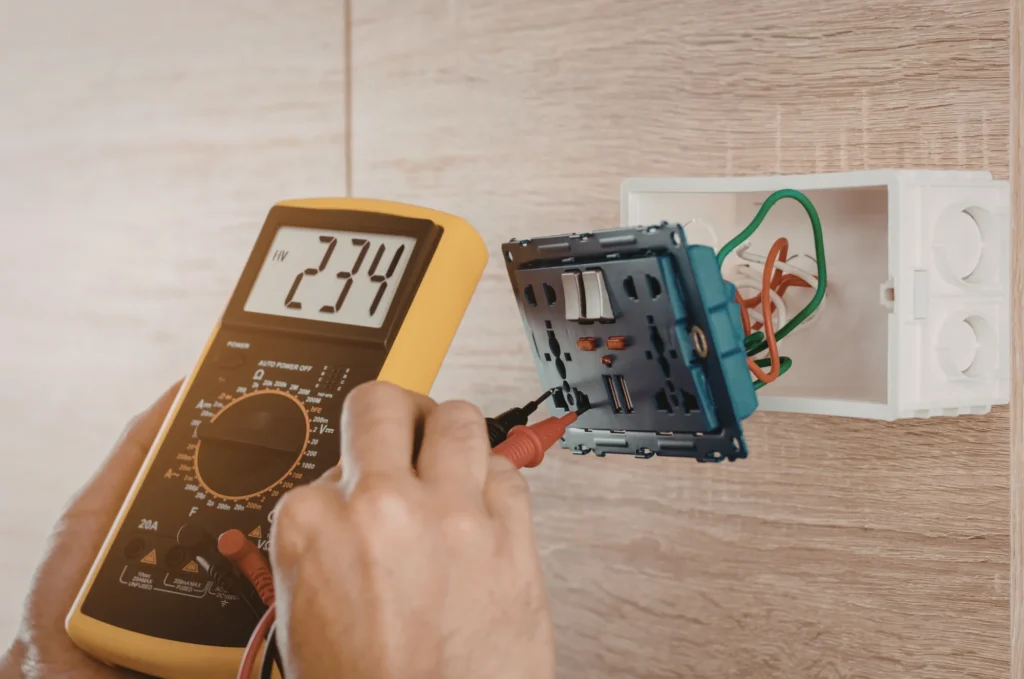
Costs shift based on location, time of day, job complexity, and whether you hire an independent contractor or an established electrical company.
Grounded Electric follows a transparent pricing model, giving homeowners a clear breakdown of charges before any electrical work begins.
Key Takeaways
- Most electricians charge a service call fee between $75 and $150 to cover travel time, and the initial diagnostic assessment, and some contractors credit this fee toward the repair cost if you approve the work on the spot.
- Emergency and after-hours calls typically run $150 to $300 or more, so scheduling non-urgent work during regular business hours is the more cost-effective option.
- What you pay varies depending on the electrician’s license level, your location, and the job’s complexity, with independent electricians charging $50 to $100 per hour and established companies billing $80 to $130 or more per hour.
- Common jobs like outlet replacements run $100 to $200; breaker swaps cost $150 to $300; and larger projects like panel upgrades can reach $4,000. Permits are required for most major electrical work.
- Before booking any electrician, confirm whether the service call fee applies toward the repair, whether a permit is required, and whether pricing is hourly or flat-rate to avoid billing surprises.
Electrician Service Call Cost: What to Expect
What Is the Going Rate for a Service Call?
Most homeowners expect to pay between $75 and $150 for a standard service call. According to the Bureau of Labor Statistics, the median hourly wage for electricians nationally sits around $61, but what contractors charge per hour reflects more than just labor – it also covers overhead, insurance, licensing, and equipment.
Some contractors apply the service call fee toward the final repair cost if you approve the work on the spot, while others treat it as a non-refundable charge for the visit itself.
Emergency and After-Hours Service Call Fees
Emergency calls outside regular business hours carry a premium. After-hours, weekend, and holiday service calls typically range from $150 to $300 or more, depending on urgency and the contractor’s rates.
If the issue does not pose an immediate safety risk, scheduling during regular business hours is the more cost-effective choice. A tripped main breaker, exposed wiring, or a burning smell near an electrical panel warrants an emergency call.
What Does an Electrical Service Call Fee Include?
Travel Time and Diagnostic Assessment
The service call fee covers two components: travel to your location and a professional diagnosis of the problem. A licensed electrician performs an electrical home safety inspection, traces the cause of the fault, and outlines the required repairs.
Robert “Bobby” Mulholland, Grounded Electric’s head electrician and license holder with over 30 years of field experience, approaches every service call with a full assessment before quoting any electrical work.
Does the Fee Apply Toward the Final Bill?
Many electrical contractors credit the service call fee toward the total project cost if you proceed with the repair during the same visit. If you decline the work or request additional quotes, the fee typically applies only to the visit.
Barret Abramow, Project Manager and Co-Owner of Grounded Electric, recommends confirming this credit policy with any electrician before booking.
Permits and Additional Charges to Know About
Certain electrical projects require a municipal permit before work can legally begin. Permit fees range from $75 to $500, depending on the scope of work and local regulations, and are typically passed on to the homeowner as a line item on the final invoice.
Electrical codes exist to protect occupants, and permitted work creates a documented record that the job was completed to code. Preparing for an electrical inspection in advance helps the process move faster and avoids a costly re-inspection fee.
Average Cost per Hour for Electrician Work
Self-Employed Electrician Hourly Rate vs. Company Rates
When you price electrician services, the type of contractor you hire directly affects what you pay. Independent electricians generally charge between $50 and $100 per hour, while established electrical contractors typically bill between $80 and $130 per hour or more.
The higher rate reflects real operating costs: insurance, licensing renewals, vehicle maintenance, and business overhead.
Hourly Billing vs. Flat-Rate Pricing
Electrician rates are structured in one of two ways. With hourly billing, you pay for actual time spent plus materials.
With flat-rate pricing, you get a fixed total before work begins. Hourly billing suits diagnostic calls or unpredictable jobs, while flat-rate pricing is common for standard tasks like installing a ceiling fan, replacing an outlet, or swapping a circuit breaker.
Bobby Mulholland says transparent pricing should include a written estimate. It should list labor and materials separately.

Common Electrician Job Costs
How Much Does an Electrician Cost to Fix an Outlet?
Replacing a standard outlet typically costs between $100 and $200, including labor and parts. A GFCI outlet, required by electrical codes in kitchens, bathrooms, and outdoor areas, runs $130 to $250. If the wiring is damaged or undersized, the average cost increases with the extent of additional work required.
How Much Does an Electrician Cost to Fix a Breaker?
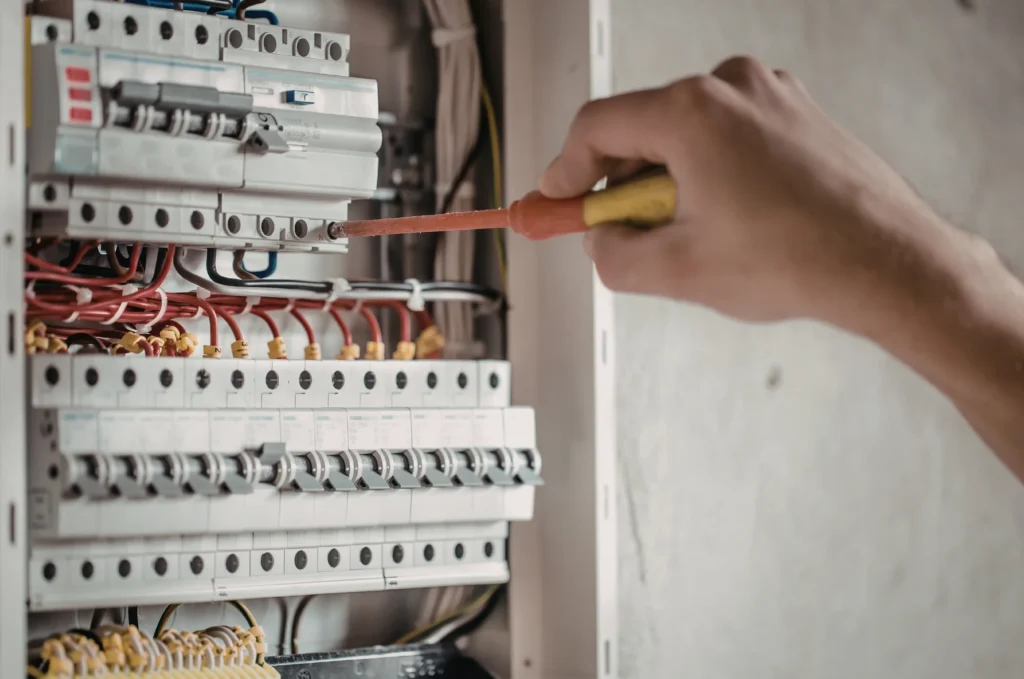
A single circuit breaker replacement generally costs between $150 and $300, varying by breaker type, panel brand, and labor time. If the breaker keeps tripping, an overloaded circuit may require a broader panel evaluation.
Panel Upgrades and Rewiring Costs
A residential panel upgrade costs between $1,500 and $4,000 for most homes. Whole-home rewiring ranges from $3,500 to $8,000 or more, depending on the home’s size and wiring accessibility – older homes often benefit from a home electrical safety evaluation before work begins.
Both electrical projects require permits and a final inspection to confirm compliance with current electrical codes.
What Affects Electrician Rates?
Location, Experience, and Job Complexity
Location is one of the biggest factors that determines how contractors price electrician services. Electricians in urban markets charge more than those in rural areas, reflecting higher operating costs and local permit requirements.
The total cost varies depending on the electrician’s license level. Apprentices cost less, but they work under supervision. Journeymen handle most home electrical work on their own. Master electricians charge the most for complex jobs and permit applications.
Common electrical tasks such as replacing lighting fixtures, installing outlets, or upgrading a breaker panel are priced differently based on the materials and time required for each job.
Copper wire, breakers, conduit, and junction boxes are itemized separately on a professional estimate and added to the labor charge. Jobs that involve running new circuits or correcting code violations take longer and cost more than straightforward replacements.
Questions to Ask Before You Book
Before any electrician works on your home, get clear answers to these questions to avoid billing surprises:
- Does the service call fee apply toward the repair cost if I proceed with the work?
- Is the electrician licensed and insured in my state?
- Does this job require a permit, and who handles the application?
- Is the quoted price hourly or flat-rate?
Experienced electricians answer these questions without hesitation. Vague or evasive responses to basic pricing questions are a signal worth taking seriously.