



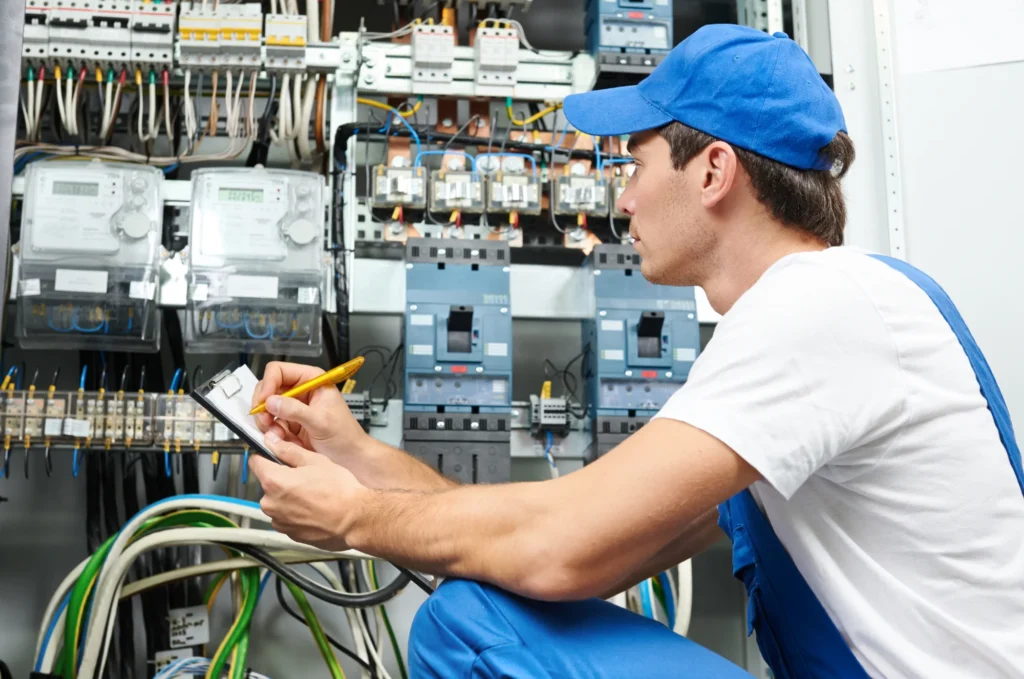
An electrician inspection typically costs $100 to $400 for a standard home inspection, but the final price depends on the property size, system age, access, and scope of the inspection. Homeowners may expect to pay more for older homes, larger homes, commercial spaces, or code-related reviews.
Grounded Electric evaluates residential and commercial electrical systems, including panels, wiring, outlets, safety devices, and visible electrical components.
This guide explains the average cost, common price ranges, what electricians check, and when a licensed electrician should review a property.
Key Takeaways
- An electrician inspection usually costs $100 to $400 for a standard home visit, with basic inspections often landing around $150 to $250.
- Costs increase for older homes, larger homes, outdated wiring, commercial spaces, code reviews, or hard-to-access electrical components.
- A wiring diagnostic visit may cost $75 to $200, while full residential or safety inspections can cost $300 to $500 or more.
- Electrical evaluations help identify fire hazards, unsafe wiring, overloaded circuits, grounding issues, and code concerns.
- A licensed electrician should review the system before major electrical work, property purchases, EV charger installs, panel upgrades, or generator planning.
Electrician Inspection Cost Overview
| Inspection Type | Typical Cost |
|---|---|
| Basic Home Inspection | $100 – $250 |
| Full Residential Inspection | $300 – $500+ |
| Electrical Safety Inspection | $125 – $350 |
| Wiring Diagnostic Visit | $75 – $200 |
| Commercial Electrical Inspection | $200 – $1,500+ |
How Much Does an Electrician Charge to Do an Inspection?
The cost of an electrical evaluation for a home usually ranges from $100 to $400, depending on the type of inspection and the property’s condition. A basic inspection costs less than a full review of the home’s electrical system.
You may pay more if the electrician must check outdated wiring, several panels, tight spaces, or signs of electrical problems.
Robert “Bobby” Mulholland is Grounded Electric’s licensed electrician and subject-matter expert. He would treat cost as a scope question first. A short visual inspection, a wiring diagnosis, and a code compliance inspection do not require the same review process.
Electrician Inspection Fee vs Diagnostic Fee
An electrician’s inspection fee usually covers a planned review of the electrical system. This may include the panel, breakers, outlets, visible wiring, grounding, Ground Fault Circuit Interrupter (GFCI) protection, and other safety checks.
An electrician’s diagnostic fee, sometimes charged as an electrician service call fee, applies when the electrician checks a specific issue. Examples include flickering lights, tripped breakers, dead outlets, or burning smells.
If you’re seeing any of those symptoms and aren’t sure whether it’s a quick fix or something bigger, how to tell if you need an electrician breaks down which warning signs are worth taking seriously.
The cost of an electrician to check the wiring may be included in a diagnostic visit when the issue is limited to one area.
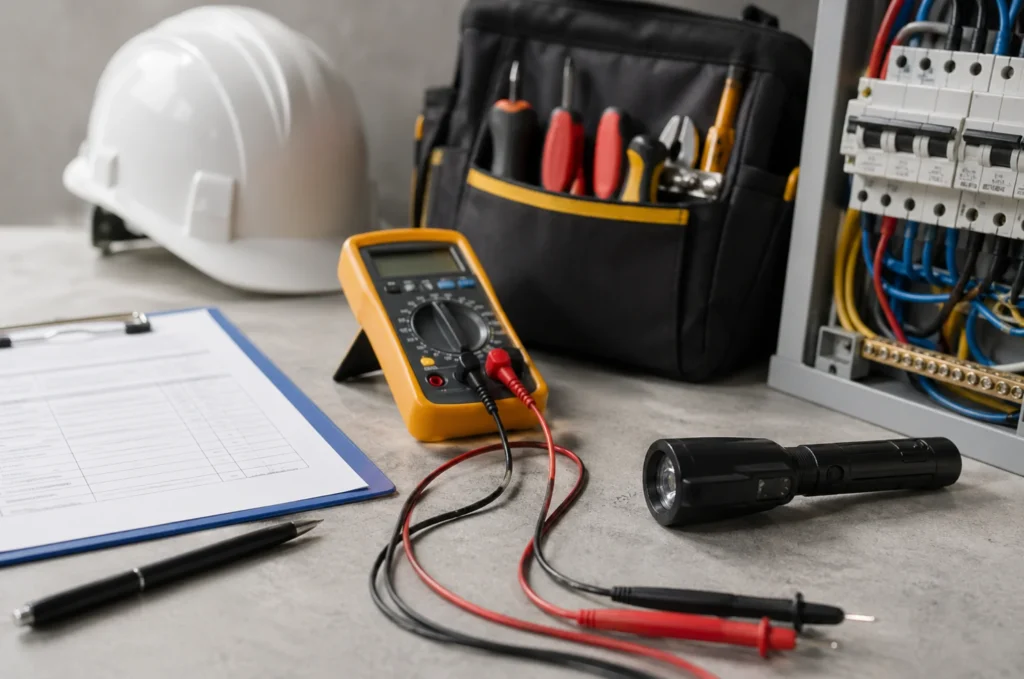
Residential Electrical Inspection Cost
Residential pricing depends on the home’s size, age, and system complexity. The cost of electrical inspection on home projects can increase when the property has additions, older panels, mixed wiring types, or recent electrical work.
Cost of Electrical Inspection on Home
A standard inspection for a single-family home usually costs $100 to $400, with many basic inspections landing around $150 to $250. A detailed inspection before a renovation, sale, or panel upgrade may cost $300 to $500 or more. Older homes may require more review because electrical components may no longer meet current safety standards.
Electrical Safety Inspection Cost
The cost of an electrical safety inspection usually ranges from $125 to $350 for a typical home. The price can rise to $400-$500 or more if the electrician needs to inspect outdated wiring, damaged panels, grounding issues, or fire hazards.
A professional electrical home safety inspection often checks damaged wiring, improper grounding, exposed conductors, and unsafe panel conditions.
Cost for an Electrician to Check Wiring
The cost for an electrician to check wiring usually ranges from $75 to $200 for a limited diagnostic visit. If the electrician needs to trace circuits behind walls, check wiring in an attic or crawl space, or test multiple areas, the cost may range from $200 to $500 or more. Electrical repairs found during the visit are usually priced separately.
Inspection Cost by Scenario
A small home with a newer system may only need a basic inspection in the $100-$250 range. Older homes with outdated wiring, ungrounded outlets, or multiple panels may fall in the $300 to $500 range or more. Larger homes often cost more because the electrician must review more rooms, circuits, outlets, and equipment.
Commercial spaces can cost more because they often include service panels, equipment circuits, emergency lighting, and tenant-specific electrical work.
Barret Abramow, Project Manager and Co-Owner at Grounded Electric, helps coordinate project details when inspection findings connect to build-outs, service upgrades, or construction planning.
Commercial Electrical Inspection Cost
Commercial electrical inspection costs often start around $200 to $500 for a small office or retail space. Larger commercial spaces, build-outs, service upgrades, or code compliance inspections may cost $500 to $1,500 or more. The final cost depends on system size, inspection scope, and access.
Code Compliance Inspection
A code compliance inspection checks whether electrical work complies with local rules and the National Electrical Code (NEC). This inspection may matter before opening a business, finishing a renovation, or correcting prior unpermitted work.
New Construction Inspection
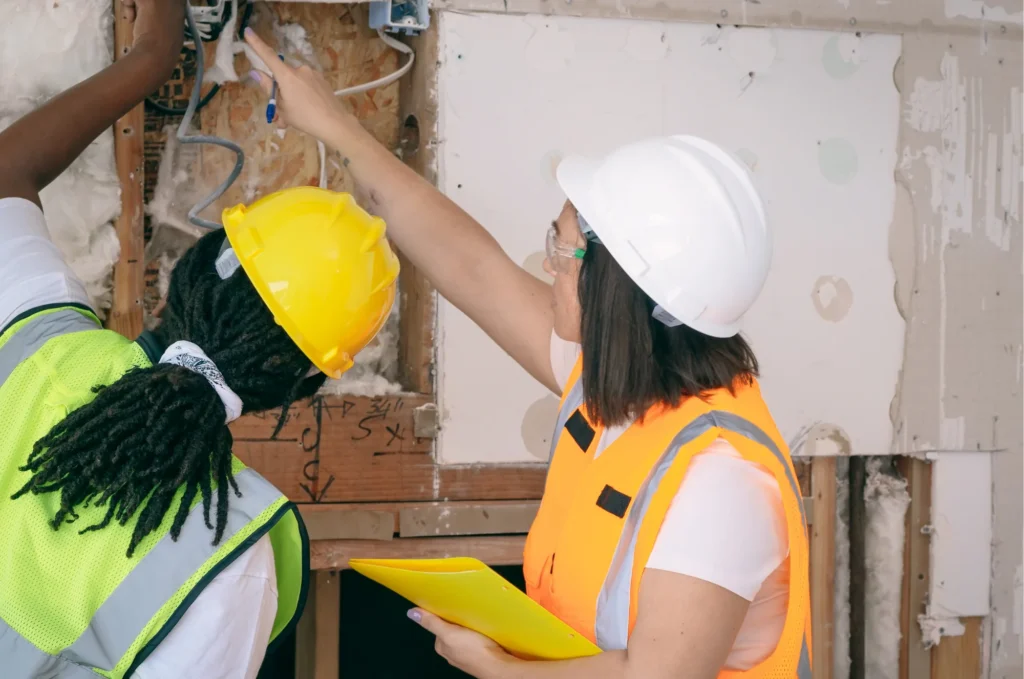
New construction inspections review electrical installation work before walls close and before final approval. Electrical inspectors may check wiring routes, panel setup, grounding, box fill, device placement, and fixture connections.
Build-Out Electrical Inspection
Build-out inspections apply when a commercial space changes use, layout, lighting, equipment, or occupancy needs. The electrician may review panels, load capacity, circuits, outlets, and safety devices.
What an Electrician Checks
An electrician checks visible electrical components and signs of system wear, following a process similar to an electrical inspection checklist. This can include the service panel, breakers, wiring, outlets, switches, grounding, bonding, GFCI devices, Arc Fault Circuit Interrupter (AFCI) protection, smoke detector connections, and visible code issues.
The type of electrical inspection changes the checklist. A safety inspection focuses on hazards. A diagnostic visit focuses on a known issue, while a code review focuses on current requirements.
What Will Fail an Electrical Inspection?
An inspection may fail when the electrician or inspector finds unsafe, incomplete, or non-compliant electrical work. Common issues include exposed wires, double-tapped breakers, missing GFCI protection, overloaded circuits, improper grounding, damaged panels, or unsafe splices.
Outdated wiring can also cause concerns, especially in older homes. Knob-and-tube wiring, aluminum branch wiring, damaged insulation, or ungrounded outlets may need closer evaluation by a licensed electrician.
Factors That Affect Electrical Inspection Cost
Several factors affect the final price, including time, access, system complexity, property type, and the purpose of the inspection. A quick safety check costs less than a full review tied to permits, remodeling, or major electrical repairs.
- Property Size and Age. Larger homes usually cost more to inspect because they include more rooms, circuits, outlets, and equipment. Older homes may also need more time because wiring methods and panel setups can vary.
- Wiring Condition. Wiring condition plays a major role in cost and repair planning. Damaged insulation, loose connections, overloaded circuits, or outdated wiring can prolong the inspection and necessitate follow-up electrical repairs.
- Inspection Scope. A limited inspection costs less than a full system review. Checking one circuit is different from reviewing the full home’s electrical system.
- Location and Access. Access can affect labor time. Panels, attics, crawl spaces, exterior equipment, and finished walls can make the inspection easier or harder.
Are Electrical Inspections Free?
Electrical inspections are usually not free when a licensed electrician visits the property and performs a detailed review. Some companies may offer limited visual checks or apply a diagnostic fee toward approved work. A free estimate is not the same as a complete inspection.
Is an Electrical Inspection Worth It?
Yes. An electrical inspection is worth it when safety, system age, renovation planning, or property transfer is involved. It can help find electrical issues before they become larger repair needs.
Inspections are useful before buying an older property, adding major appliances, installing an EV charger, or upgrading a panel. Grounded Electric is Generac Certified, which can be relevant when inspections connect to generator installation planning.
Repair Costs After an Inspection
Inspection costs do not usually include repair costs. If the electrician finds fire hazards, damaged wiring, failing breakers, or unsafe devices, the repair work should be priced separately.
Homeowners should ask for a written explanation of the issue, the recommended correction, and whether the work affects safety or code compliance. This helps separate urgent repairs from planned improvements.
How to Choose a Licensed Electrician
Choose a licensed electrician experienced with the type of property and inspection you need. Ask whether the inspection includes panels, outlets, wiring, grounding, safety devices, written findings, and clear steps for preparing for an electrical inspection.
A good inspection should be clear, factual, and specific. The electrician should explain what was checked, what was found, and what may require repair or further evaluation.
Electrician Inspection Cost FAQs
- How much does an electrician inspection cost? Most homeowners can expect a basic inspection to cost $100 to $400. Complex systems, larger properties, or code-related reviews can be more costly.
- What affects the cost most? The biggest factors are property size, system age, wiring condition, inspection scope, and access. Commercial spaces and older homes often require more time.
- Can an inspection find all hidden electrical problems? No inspection can guarantee every hidden issue will be found. Electricians can review visible and accessible areas, test devices, and identify signs of deeper electrical problems.