



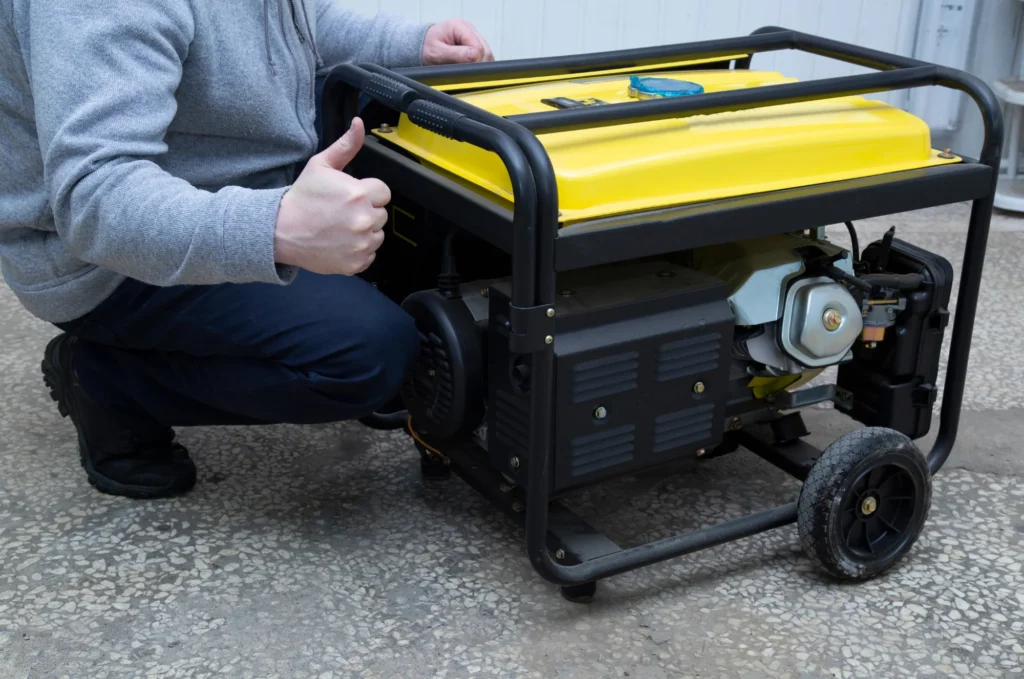
A generator can run during an outage as long as it has fuel, oil, airflow, and safe operating conditions. Many portable generators can run 6 to 18 hours without refueling.
A standby generator can run for days if it has enough fuel. Actual generator run time depends on generator size, load demand, tank size, fuel type, and maintenance. Grounded Electric evaluates generator systems in relation to code requirements, electrical load, and safe connection methods.
Key Takeaways
- A generator can run as long as it has enough fuel, oil, airflow, and safe operating conditions.
- Many portable generators run about 6 to 18 hours per fuel tank, while standby generators may run for days with natural gas or a large propane tank.
- Generator run time depends on generator size, connected load, tank size, fuel source, and maintenance condition.
- Long generator use requires oil checks, cooling breaks, and safe outdoor placement to reduce overheating and carbon monoxide risks.
- A licensed electrician should review standby generator installations, transfer switches, inlet boxes, and hardwired backup power connections.
How Long Can a Generator Power a House
A generator can power a house for a few hours, overnight, or several days, depending on the system. Many portable generators can meet basic needs for 6 to 12 hours on a single fuel tank, while standby generators may run for days on natural gas or a large propane tank. The real limit depends on what the unit powers.
A refrigerator, lights, heating controls, and internet equipment use less power than a central air system, an electric oven, or multiple large appliances. Generator runtime should always connect to load planning. Robert “Bobby” Mulholland, Grounded Electric’s licensed electrician, reviews these load factors when assessing backup power needs.
How Long Can a Generator Run Continuously
How long a generator can run continuously depends on the unit’s design, fuel type, oil level, and service schedule. A portable generator runs until the fuel tank gets low, which may be 6 to 18 hours for many models. A standby generator can run longer, often 24 hours or more at a time, when connected to natural gas or a large propane source.
A generator run continuously plan should include oil checks, cooling breaks, and visual inspections. Running your generator without breaks for more than 24 hours can increase heat and wear if the unit is not designed or maintained for long-term use.
Manufacturer guidance should control how long your generator operates. Always check the manufacturer’s manual for the exact shutdown interval, since safe runtime limits vary by model, fuel type, and load.
It can be harmful to run a generator for long periods if it is overloaded, low on oil, poorly ventilated, or not maintained. Heat, dirty oil, and blocked airflow can damage internal parts. Safe operation depends on load control, fuel stability, scheduled shutdowns, and routine checks during extended use.
What Affects Generator Run Time
Generator run time depends on several factors:
- Generator size and connected load
- Fuel source and tank size
- Oil level and maintenance condition
- Weather, airflow, and operating temperature
- Whether the system uses cords, an inlet, or a transfer switch
These factors explain why two similar units may perform differently during the same outage. Maintenance also affects how many hours a generator lasts during extended use. Old oil, clogged filters, and poor ventilation can reduce performance.

Generator Run Time by Type
Different generator types serve different outage needs. Portable generators typically power selected appliances, while standby systems connect to the electrical panel through a transfer switch. Commercial units may support larger loads, but they still need fuel planning and service intervals.
How long a portable generator can run continuously depends on the fuel tank, load, and engine design. Many gasoline portable generators run about 6 to 18 hours per tank before refueling. A portable generator runs longer when it powers fewer appliances.
A standby generator can run longer because it often connects to natural gas or a larger propane tank. Grounded Electric is Generac Certified, which is relevant when planning or servicing certain standby systems. A diesel generator may run for days with the right fuel supply, but oil and filter checks still matter.
Generator Run Time by Fuel Source
The fuel source has a major effect on run time. Gasoline, propane, natural gas, and diesel all have different storage limits and operating patterns. The right fuel choice depends on outage length, property setup, and local code requirements.
Common fuel factors include:
- A gasoline unit runs until the fuel tank is low.
- A larger tank may extend use, but the unit must cool before refueling.
- Propane generators can run as long as the propane supply supports the load.
- A 20-pound propane tank may support about 5 to 8 hours, depending on load.
- Natural gas can be used longer if utility gas service remains active.
- Some diesel systems may need service checks around 100 to 200 hours, depending on the model.
Oil, Cooling, and Maintenance Limits
Fuel keeps the engine running, but oil protects the engine from damage. How long a generator can run before adding oil depends on the model, oil capacity, load, and the unit’s age. Check the manual before power outages to confirm the correct service interval.
Cooling breaks allow safe inspection during extended operation and can help identify common generator problems before they affect performance. Shut down the unit before checking the oil, fuel, filters, or visible leaks. Never refuel a hot generator because spilled fuel can ignite.
How to Use a Generator During an Outage
Using a generator during an outage starts with safe placement and proper connection. Place the unit outdoors, away from windows, doors, vents, and enclosed spaces, and review the safe generator hookup-to-house requirements before connecting it to home circuits. Connect only the loads the generator can support.
Barret Abramow, Grounded Electric’s Project Manager and Co-Owner, helps coordinate generator work in relation to installation planning and electrical system needs. A safe setup requires more than starting the engine. Transfer switches, load selection, and service capacity all affect safe use.
Generator Safety During Long Use
Generator safety should guide every runtime decision. Carbon monoxide, backfeeding, heat, fuel handling, and improper cords can create a serious risk. Runtime should never come before safe placement and code-compliant connection.
Never operate a generator inside a garage, basement, shed, porch, or home. Carbon monoxide can build up fast and cannot be seen or smelled. A transfer switch helps prevent backfeeding, which can send electricity into utility lines.
When to Call a Licensed Electrician
Call a licensed electrician when installing a standby generator, transfer switch, inlet box, service upgrade, or dedicated generator circuit.
Professional evaluation is also important when the generator must support hardwired equipment. Robert “Bobby” Mulholland is a licensed electrician who helps ensure these decisions comply with safety, code, and load requirements.

Final Thoughts on Generator Run Time
How long a generator can run depends on fuel, load, oil, cooling, and equipment design. Portable units can run for hours. Standby or commercial systems can run for days with proper fuel and maintenance.
The safest plan is to match the generator to the property. Follow the manufacturer’s instructions. Use electrical connections that meet code.