


Grounded Electric evaluates these factors when planning standby systems for homes and commercial properties that need backup power. Safe operation depends on more than run time. Oil level, heat, fuel pressure, and power output all affect performance.
Key Takeaways
- A Generac standby generator can often run for days during a power outage when it has a steady fuel supply, proper airflow, a balanced load, and regular maintenance.
- Natural gas models may run longer because they connect to a gas line, while propane models depend on tank size, fuel level, and home power demand.
- A 500-gallon propane tank may support several days of operation under moderate load, while a portable generator may run about 8 to 12 hours on 5 gallons of gas.
- A generator should be checked about every 24 hours during extended use for oil level, airflow, warning lights, heat, fuel supply, and unusual sounds.
- Generator run time differs from generator lifespan, which depends on installation quality, operating hours, maintenance history, environment, and load demand.
How Long Can a Generac Run Continuously
Generac generators are designed to provide reliable power during outages, but actual generator run time depends on fuel, load, and maintenance.
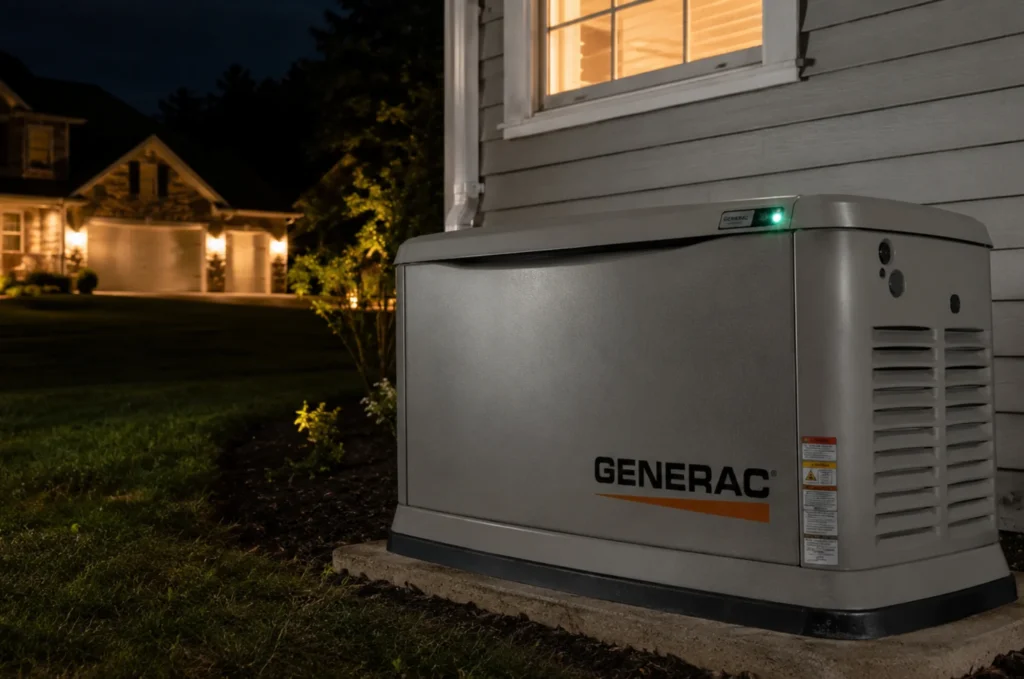
A standby unit connected to a natural gas line can often allow a generator to run continuously for several days or longer, provided the utility gas supply remains active and the unit stays within safe operating limits. For a deeper breakdown of continuous standby operation, see this guide on how long a Generac can stay on.
A propane model can also run for a long time. However, propane tanks set a clear limit. The limit depends on tank size and your home’s power demand.
During a power outage, whole-home runtime on stored fuel often ranges from 24 hours to several days, depending on the home’s electricity usage. A 500-gallon propane tank can support several days of use under a moderate load.
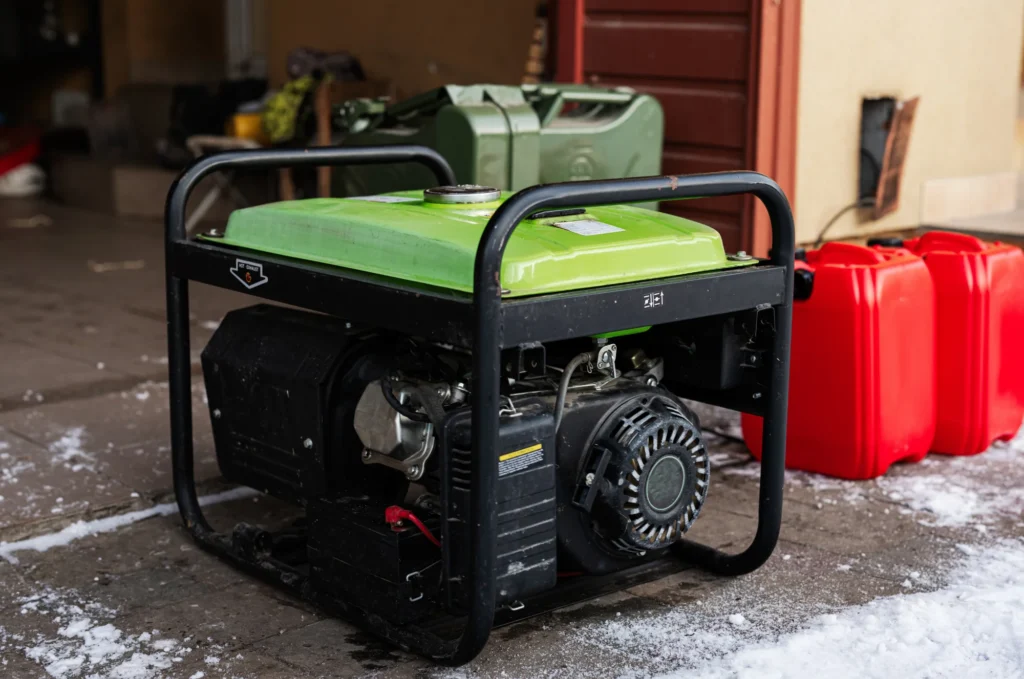
A smaller portable gasoline generator may run only 8 to 12 hours on one tank. A Generac 22kW generator can support many home loads, but heavy use from heating, cooling, well pumps, refrigerators, and large appliances can shorten run time.
Generac Runtime by Fuel Type
Fuel source is one of the biggest runtime factors. Natural gas, propane, gasoline, and diesel generators all operate differently during long outages. The right type of generator depends on the property, local code requirements, fuel access, storage space, and expected outage length.
- Natural gas runtime: A standby generator connected to a gas line can often run for several days or longer during a power outage if the utility gas supply remains stable. The main limits are oil condition, airflow, engine temperature, load demand, and maintenance checks.
- Propane runtime: A propane generator may run for 24 hours to several days, depending on fuel tank capacity, load size, and weather. Larger propane tanks support longer operation, while heavy home loads reduce total run time.
- 500 gallons of propane: A 500-gallon tank can often support 5 to 8 days of operation under moderate load, but the exact runtime depends on the generator size and power output. Usable fuel is also less than the tank’s total capacity because propane tanks are usually filled to about 80 percent for safety.
- 5 gallons of gas: A portable generator may run for about 8 to 12 hours on 5 gallons, depending on the generator type, load, and engine size. Gasoline units also require safe refueling, outdoor placement, and careful exhaust control.
What Affects Generator Run Time
Generator run time changes from one home to another because each system has different fuel access, electrical demand, and service history.
A generator powering only essential circuits usually runs longer than one carrying a full household load. This is why planning matters before relying on a generator for long-term backup power.
Key factors include:
- Home electrical load: Air conditioning, electric heat, pumps, ovens, dryers, and other large appliances increase demand.
- Generator size: A larger unit can support more circuits, but it may consume more fuel under heavier loads.
- Fuel supply: A gas line, propane tank, gasoline tank, or diesel storage setup determines how long the system can keep operating.
- Maintenance condition: Dirty filters, low oil, blocked airflow, weak batteries, and old parts can reduce reliability.
Robert “Bobby” Mulholland, Grounded Electric’s licensed electrician, treats maintenance conditions as part of safe generator planning.
A generator should be sized and connected based on the home’s panel, major appliances, starting watts, transfer equipment, and code requirements. If the home has a larger electrical panel, this guide on standby generator sizing for a 200-amp service can help explain the sizing considerations. This helps the system carry the right load without unnecessary strain.
How Long Before an Oil Change
Oil change timing depends on the model, fuel type, use pattern, and manufacturer instructions. This guide to manual maintenance costs for a Generac generator provides more detail on related maintenance planning.
During long operation, oil can break down faster because heat and engine load stay constant. Always follow the manual for the specific unit, especially when the generator has been running through a long outage.
Running past 100 hours is not always excessive, but it should prompt closer attention to oil level, oil condition, airflow, and service intervals. Some maintenance schedules may reference intervals of approximately 100 or 200 hours, depending on the model and use.
A generator should also be checked at least daily during extended operation for warning lights, unusual sounds, fuel issues, heat, and safe exhaust clearance.
Shut down the generator if it shows warning codes, unusual vibration, low oil, overheating, leaks, or exhaust issues.
A gasoline portable generator should also be turned off before refueling. If the issue involves wiring, load balance, transfer equipment, or unsafe operation, a qualified electrical professional should inspect the system.
How Long Does a Generac Generator Last
The question of “how long a Generac generator lasts?” usually refers to the total service life, not a single outage. Generac generator lifespan depends on use hours, maintenance history, installation quality, environment, fuel type, and load demand.
The life expectancy of Generac generator equipment may be shorter when airflow is poor, use is heavy, service is skipped, or the unit operates in harsh weather.
Runtime and lifespan are different. Runtime refers to how long the generator can operate during a single event, while lifespan refers to how long it may remain useful over years of ownership. A unit can have a long run time during an outage, but still needs regular maintenance to protect long-term performance.
Generac designs standby units for automatic backup power, while portable and diesel generators often serve different use cases. The longest-running generator for a home is usually the one matched correctly to fuel access, electrical demand, maintenance needs, and installation conditions.
Barret Abramow, Project Manager and Co-Owner at Grounded Electric, helps coordinate field planning where load needs, placement, access, and safety requirements must work together.
Safety Tips for Long Outages
Generator safety starts with correct installation, clear exhaust paths, approved transfer equipment, and code-aware electrical work. Never connect a generator to a home without the right transfer switch or approved interlock equipment. Backfeeding a panel can endanger utility workers, damage equipment, and violate the electrical code.
Keep outdoor units clear of snow, leaves, and debris, and ensure airflow is not blocked. Keep portable units outside and away from doors, windows, vents, and enclosed spaces. Schedule generator service before storm season, after long outages, and when warning codes or performance issues appear.
Grounded Electric is Generac Certified, which means its team has credentialed training relevant to Generac equipment, installation planning, and service work.