



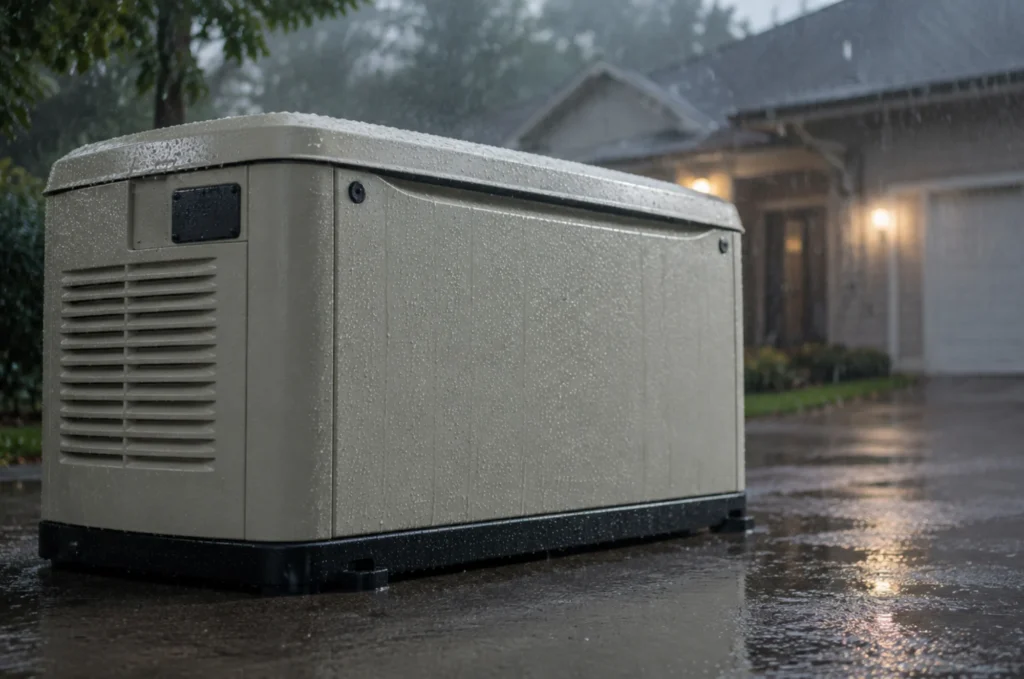
When a storm knocks out power, the last thing you want to learn is that your generator cannot handle the weather. Generators are not waterproof—most portable generators are not built to run in direct rain without proper protection.
Grounded Electric is a licensed electrical contractor serving Bergen County, NJ. We help homeowners install generators and use them safely, in accordance with current code requirements.
Key Takeaways
- Most portable generators are not waterproof and require a rated running cover or canopy when operating in rain or wet weather.
- Water exposure creates immediate risks, including electrical shock, short circuits, and engine failure, as well as long-term corrosion that reduces reliability.
- Inverter generators offer more protection than open-frame models, but only standby generators come with permanent weatherproof housings that require no additional cover.
- Never run any generator inside a garage or enclosed space, even with the door open, as carbon monoxide buildup can be fatal within minutes.
- Connecting a generator to your home’s electrical panel requires a licensed electrician and a transfer switch to prevent dangerous back-feed into utility lines.
The Direct Answer: No, Generators Are Not Rainproof
Portable generators are not rainproof. Their open-frame design exposes outlets, wiring, fuel systems, and engine components to the elements, creating electrical hazards and the risk of permanent water damage.
How Waterproof Are Generators?
Water resistance varies by generator type. Inverter generators offer partial enclosure, and standby generators come with permanent weatherproof housings. No portable generator carries a waterproof rating for active use in rain or snow.
Why Water Is Dangerous for Generators
Electrical Shock, Short Circuits, and Explosion Risk
Water entering the outlets or wiring of a running generator creates a path for electrical current outside its intended circuit, increasing the risk of electric shock to anyone nearby. In severe cases, moisture near the fuel system can trigger a short circuit or an explosion.
Engine, Fuel, and Long-Term Component Damage
Water in the air filter or carburetor stalls the engine, and moisture in the fuel tank causes starting failures over time. Repeated exposure to wet weather conditions corrodes internal components and electrical contacts, reducing reliability with each use.
How Each Generator Type Handles Rain
- Are Portable Generators Waterproof? Portable generators are not waterproof. Any time you run a generator outdoors in wet weather, a running cover or canopy must be in place before you start it. For a full breakdown by model type, see our guide on whether portable generators are waterproof.
- Can a Portable Generator Be Left Outside in the Rain? No – even when off. Moisture reaching the outlets and engine compartment causes corrosion and starting problems. Store the unit in a covered, ventilated space and keep the generator dry before storage.
- Are Gas Generators Waterproof? Gas generators are not waterproof and share the same open-frame vulnerabilities as other portable models. Can gas generators get wet and still run? Only with proper protection in place, as water reaching the carburetor or spark plug area causes immediate engine failure.
- Can You Run a Gasoline Generator in the Rain? Yes, but only with a rated running cover secured before starting. A tarp is not a safe alternative, as it blocks ventilation and increases the risk of fire.
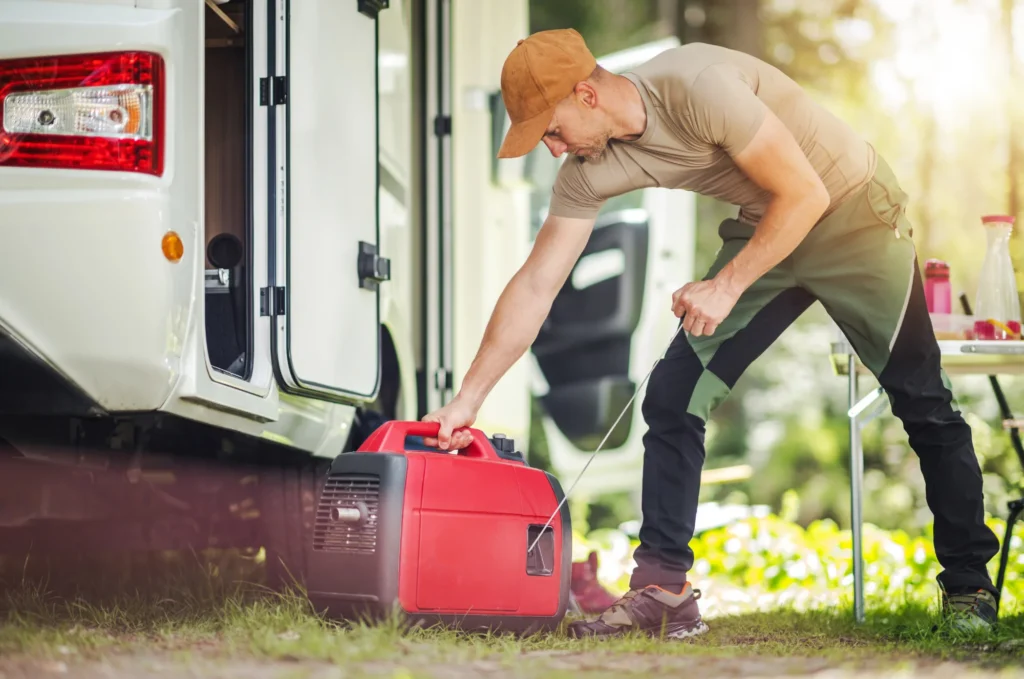
- Are Inverter Generators Waterproof? Inverter generators offer more protection than open-frame models but are not waterproof. In heavy rain or extreme weather, a running cover is still required for safe operation of the unit.
How Standby Generators Handle Wet Weather
Standby generators are permanently enclosed in weatherproof housings and start automatically during a power outage, running reliably through bad weather, including rain, snow, and cold, without any setup from the homeowner.
Grounded Electric is Generac-certified and authorized to install and service Generac standby systems in accordance with manufacturer specifications.
What Happens If a Generator Gets Wet?
When a generator gets wet during operation, several things can go wrong at once:
- The risk of electrical shock rises immediately for anyone near the unit.
- Outlets and wiring can short-circuit, cutting power to connected appliances.
- The engine may stall or fail to restart.
- Connected appliances can be damaged by irregular current.
Shut the unit down immediately, disconnect all cords, and do not restart until it has fully dried. Repeated moisture exposure causes:
- Corrosion on the alternator, terminals, and engine components.
- Rust on the frame and internal metal parts.
- Degraded performance that worsens with each wet-weather use.
A generator that is not kept consistently dry will fail when it is needed most.
Do You Need to Cover a Generator in the Rain?
Yes. A generator cover is the baseline requirement any time rain is present. Keeping the generator dry at all times is the foundation of safe operation.
Choosing the Right Generator Cover
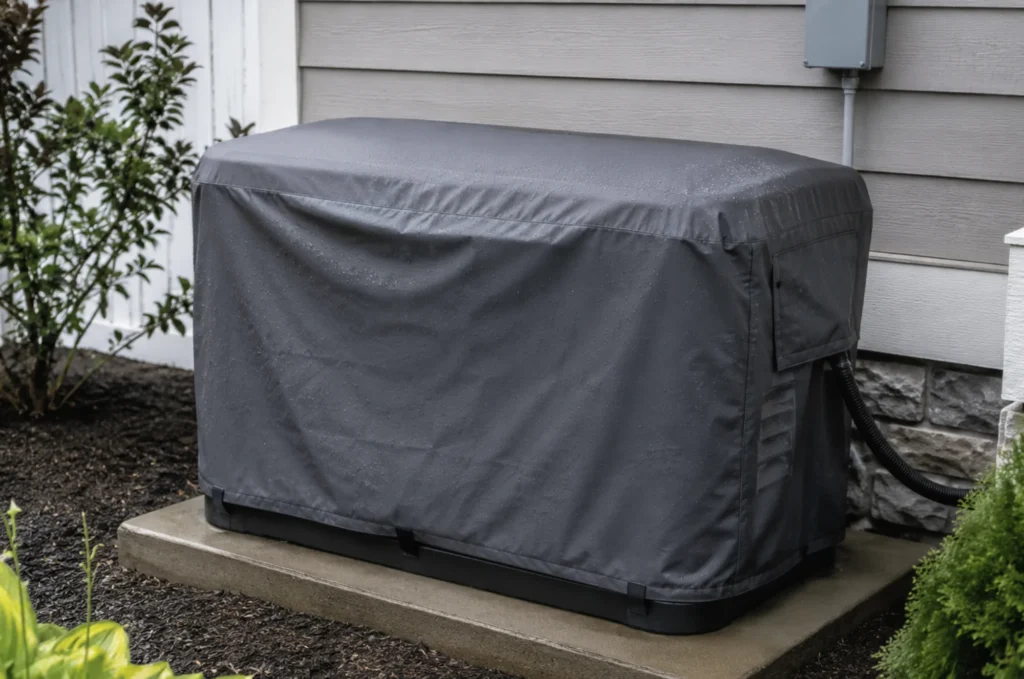
Use a cover rated for active operation, not storage. A generator cover while running works differently from a storage cover – it blocks rain while allowing airflow, whereas a storage cover traps heat and restricts exhaust. See our full guide on protecting your generator from rain for a detailed look at cover types and shelter options.
How to Cover a Generator in the Rain
Secure the cover before starting the generator, confirm the exhaust has a clear path, and anchor it against the wind. The structure must remain properly ventilated underneath during operation.
DIY Options and Permanent Enclosures
A three-sided canopy, a generator shed, or a covered structure near an exterior wall all allow you to run generators safely in wet weather. Any enclosure must remain open on at least one side. Never place a generator inside a garage or any confined space.
Can You Operate a Generator in the Rain Safely?
Before you run a generator in wet conditions, complete these steps in order:
- Place the generator on a dry, level surface away from puddles or pooling water.
- Secure the running cover or canopy before starting the unit.
- Use outdoor-rated extension cords only and keep all connections elevated off the ground.
- Handle the generator with dry hands or insulated gloves every time.
- Point the exhaust away from doors, windows, and vents before starting.
Barret Abramow, Project Manager and Co-Owner of Grounded Electric, recommends testing your generator setup before storm season to confirm it performs correctly under real weather conditions.
GFCI Protection in Wet Conditions
Use cords with built-in GFCI (Ground-Fault Circuit Interrupter) protection when running a generator in wet conditions. A GFCI cuts power the moment it detects abnormal current flow, providing an immediate layer of protection for anyone near the unit.
Carbon Monoxide Risks and Ventilation
Generators produce carbon monoxide, a colorless, odorless gas that is fatal at high concentrations. Always run your generator at least 20 feet from your home with the exhaust pointing away from doors, windows, and vents, and never run it in a garage or enclosed space, even with the door open.
When to Call a Licensed Electrician
Transfer Switch Installation and Panel Connection
A transfer switch disconnects your home from the utility grid before the generator powers your circuits, preventing dangerous back-feed into utility lines.
Robert “Bobby” Mulholland, a licensed electrician with over 30 years of field experience, oversees all generator transfer switch work at Grounded Electric to meet NEC requirements and local code standards. Contact Grounded Electric to schedule a generator assessment.