


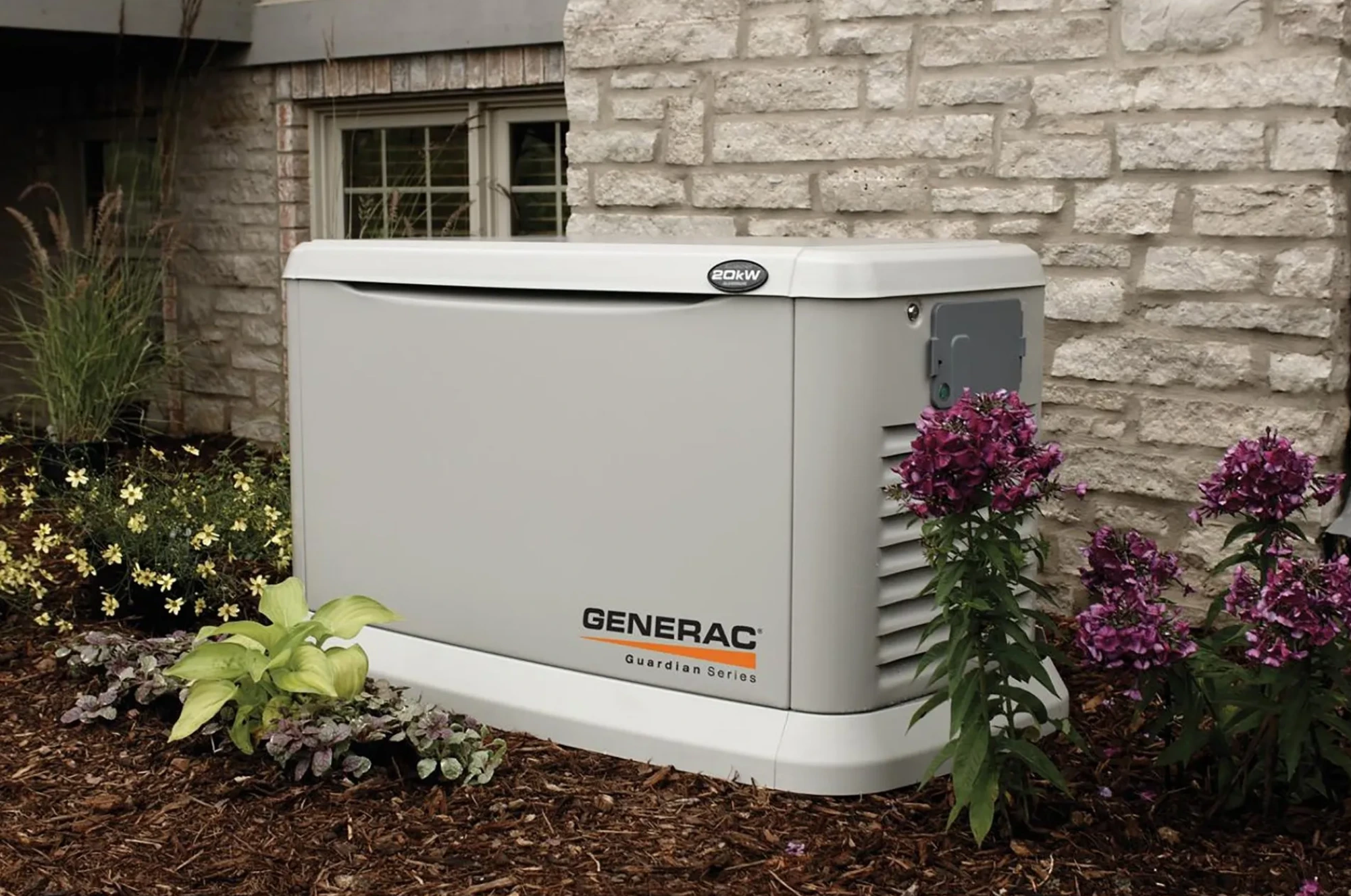
A Generac standby generator can last about 20 to 30 years with proper maintenance and correct installation. During a power outage, it can run for extended periods. This is because natural gas or propane generators use a steady fuel supply, and they do not rely on a small fuel tank.
Homeowners often ask how long a Generac stays on. The answer depends on generator runtime, fuel supply, and the home’s electrical load. Grounded Electric installs standby home generators, and its licensed electrician, Robert “Bobby” Mulholland, explains that understanding generator runtime helps homeowners plan for extended power outages.
Key Takeaways
A Generac standby generator can last about 20 to 30 years when installed correctly and maintained with regular oil changes, inspections, and testing.
A standby generator can run continuously during a power outage as long as it has a steady fuel supply and operates within safe electrical load limits.
Natural gas generators often run longer than propane or diesel generators because they connect to a municipal gas supply rather than relying on a fuel tank.
Electrical demand directly affects generator runtime, since running more appliances increases fuel consumption and can shorten the generator’s runtime.
Safety systems may shut a generator down if problems occur, such as low fuel, system overload, or maintenance alerts detected by onboard sensors.
How Long Does a Generac Generator Stay On?
A Generac standby generator can stay on as long as it has a steady fuel supply and the system operates within safe limits. Many systems run for days during extended power outages. Natural gas generators connected to a municipal gas supply may run continuously because they do not rely on a fuel tank and provide a stable power source for the home.
The exact generator runtime depends on several factors. These include electrical demand, the type of generator, and the fuel used to power the generator. Propane systems depend on the size of the fuel tank, whereas natural-gas generators often run longer because the gas supply remains constant.
In most homes, the answer to how long a standby generator runs is simple. The generator runs until utility power returns or the fuel supply stops. Regular maintenance also helps ensure the generator can run safely for long periods.
How Long Can a Generac Generator Run Continuously?
Standby generators are built for long operation during emergencies. Many units can generate power continuously for several days if the fuel supply remains steady.
Robert “Bobby” Mulholland explains that generator engines work much like small vehicle engines. Oil checks and proper maintenance help reduce wear and tear and support longer run time.
During extended power outages, fuel supply often determines generator runtime. Natural gas generators connect to a municipal gas supply, allowing them to run for extended periods.
Whole House Generator Runtime
Whole-house systems support a home’s electrical needs during outages. Manufacturers design these home generators for long-term use when you have a fuel supply, and you provide proper maintenance.
Load planning helps determine how long a whole house generator can run continuously, and it also helps homeowners understand what size Generac generator they need for their electrical demand. Barret Abramow, Project Manager and Co-Owner at Grounded Electric, says proper load sizing protects the generator and extends runtime.
A 22kW unit is a common type of generator for homes. Generator runtime depends on electrical demand and fuel type. Lower demand reduces fuel use and extends operation.
Homes with natural gas generators often run longer because the gas supply stays constant. Propane and diesel generator systems rely on stored fuel in a tank, and homeowners often compare these options when reviewing diesel generator vs. propane generator differences.
What Affects Generator Runtime?
Several factors determine how long a generator will run during a power outage. Electrical demand, engine size, and fuel supply all affect generator runtime.
Long-term reliability also depends on proper maintenance. Routine service helps reduce wear and tear and keeps the generator ready during emergencies.
Fuel supply is often the most important factor. Natural gas generators use a steady gas supply from the utility system. This allows generators powered by gas to run continuously for long periods.
Generators using propane or diesel rely on stored fuel. When the fuel tank becomes empty, the generator stops.
Electrical demand also affects generator run time. When more appliances run at once, fuel use increases. Lower demand can extend generator runtime.
Fuel Use and Runtime Examples
Fuel use depends on generator size and electrical demand. Larger systems use more fuel when powering more circuits.
Understanding fuel consumption helps homeowners estimate a generator’s runtime during extended outages. Small portable generators may run for several hours on 5 gallons of gasoline.
Permanent standby home generators usually run on propane or natural gas, and proper fuel care, such as using a fuel stabilizer, helps protect the fuel supply during long storage periods.
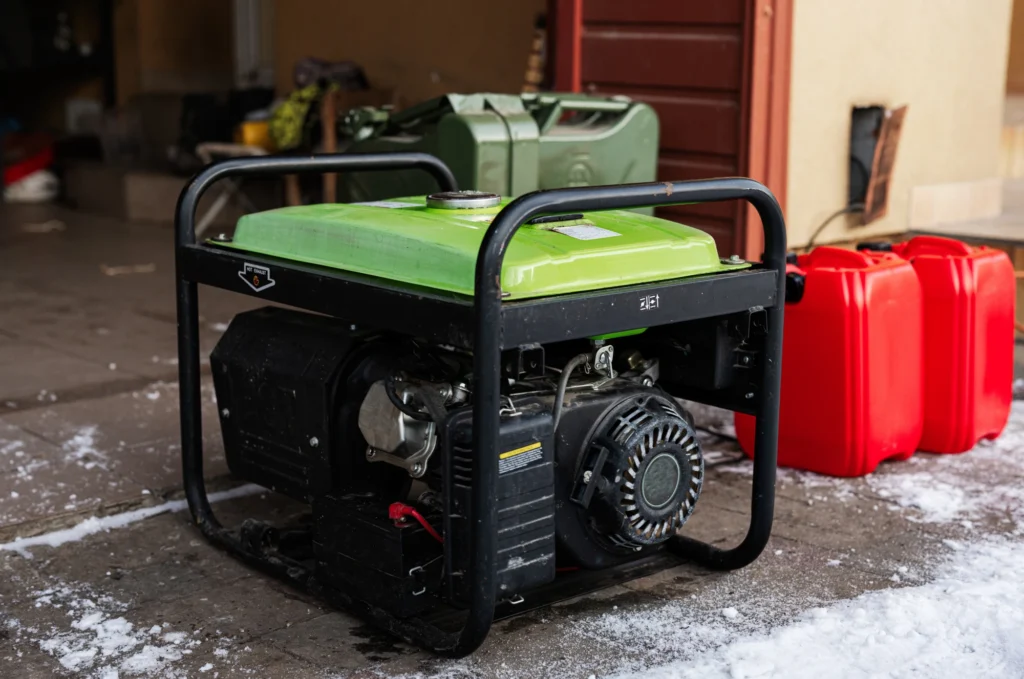
Running Your Generator Overnight
Standby generators are designed to operate during outages overnight. Automatic systems monitor engine temperature, power output, and fuel supply while your generator is running.
Proper installation and regular maintenance help ensure safe operation. Sensors monitor system conditions and may shut the generator down if a problem occurs.
Reducing electrical demand can extend generator runtime. Turning off nonessential appliances lowers fuel use and reduces stress on the engine.
Fuel levels should also be checked during long outages, especially for propane systems.
What happened when Utility Power Returns?
When power returns, the standby system switches back to the grid using an automatic transfer switch. The generator then runs briefly without an electrical load before shutting down, and this short cool-down cycle protects the engine and reduces wear and tear.
The transfer switch monitors the electrical grid. When the grid fails, it starts the generator and disconnects the home from the utility lines. When power returns, it reconnects the home safely.
Maintenance and Generator Lifespan
Regular maintenance affects how long a Generac generator lasts. Oil changes, inspections, and testing help maintain engine performance.
A well maintained standby generator can operate for decades. Lifespan depends on installation quality, usage, and maintenance schedules.
Robert “Bobby” Mulholland explains that proper maintenance helps protect the engine and support long-term reliability. Oil changes usually occur after a set number of run hours.
Most standby generators also perform automatic weekly test cycles. These short runs circulate oil and confirm the system works.
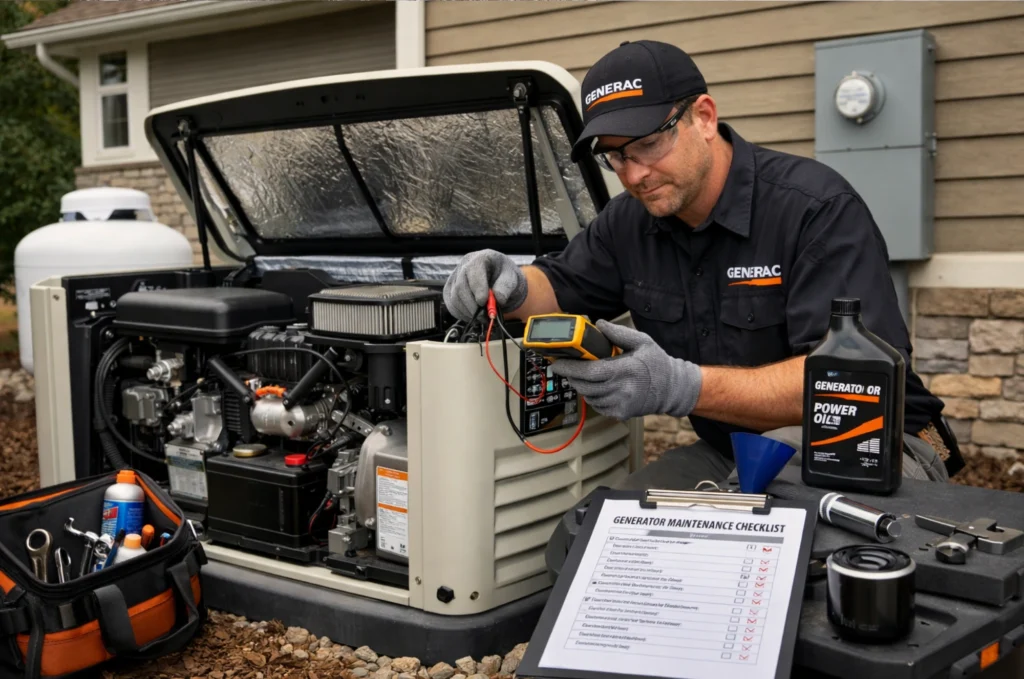
Why Does My Generac Keep Shutting Off?
Generators may shut down when safety systems detect a problem. These systems protect the engine and electrical components.
Common causes include low fuel supply, generator overload, or maintenance alerts.
Low fuel supply is common with propane systems, and when the fuel tank becomes empty, the generator stops running.
Generator overload occurs when electrical demand exceeds the system’s capacity. Reducing the electrical load helps prevent this issue.
Maintenance alerts, sensor errors, or wiring problems can also cause shutdowns. Regular maintenance helps reduce these faults and keep generators operating safely.
