


Yes, often they are, but the value depends on the property, the layout, and the type of risk you want to manage. When evaluating whether home security systems are worth it, the best answer is that a well-planned system can improve awareness, deter intruders, and reduce response time, but it does not replace strong locks, lighting, or safe habits.
Grounded Electric works with residential and commercial electrical systems. This topic often involves low-voltage planning, device placement, safe power access, and electrical inspection checklist planning before installation. A system is usually worth more when it fits the building and supports reliable daily use.
Key Takeaways
Home security systems are often worth it when the setup matches the property, budget, and actual risk level rather than adding devices you do not need.
A well-planned system can improve awareness through alerts, security cameras, motion sensors, and environmental sensors, but it does not replace strong locks, lighting, and safe habits.
Basic alarm systems may be enough for smaller homes or apartments, while larger properties often benefit more from cameras, broader coverage, and professional monitoring.
Smart home security systems can add convenience and better home monitoring, but extra features, subscriptions, and poor setup can reduce their overall value.
A system may not be worth the money if monthly fees are high, device placement is weak, or lower-cost upgrades like better locks and exterior lighting would address the main risk more effectively.
Are Home Security Systems Worth the Money?
Yes, for many homeowners, they are worth the money, but only when the system matches the property, budget, and level of risk. A basic setup can be a smart choice if it helps you detect break-ins, watch key entry points, and respond faster to smoke, leaks, or other issues.
A larger system may be worth more for homes with multiple entry points, long hours away, or a greater need for remote alerts and home monitoring. If the monthly fees are high, the coverage is weak, or the system adds features you will not use, the value drops.
A smaller property may only need a simple home security solution with door contacts, motion sensors, and one or two security cameras. A larger home may benefit from broader coverage, a monitoring center, and additional tools such as video doorbells or environmental sensors. }
If the property has blind spots, frequent deliveries, or past issues, the system can add an extra layer of protection. The decision often comes down to whether purchasing a home security system solves real problems for that specific home.
When do you need a home security system?
You will need one if the home has dark exterior areas, multiple entry points, or long periods with no one inside. Families who travel often may also benefit from faster notice of potential threats. A lower-risk property with good locks, lighting, and visibility may need less equipment.
Main Benefits of Home Security Systems
The main benefits of home security systems are faster alerts, better visibility, and more control over what happens at your property. They can notify you when doors open, when motion sensors detect movement, or when security cameras and a doorbell camera capture activity near key entry points.
This can help you monitor your home, spot potential threats, and decide whether to check the app, contact a neighbor, or request an emergency response.
Another key benefit is convenience, one of the clearest advantages of a smart home setup. Many systems connect to smart home devices, video doorbells, and other smart security tools, making it easier to arm the system, review footage, and manage settings from one place.
For many homeowners, that added awareness and peace of mind is the main reason a system can be worth the cost.
Life Safety and Property Protection
Home security systems can do more than watch for break-ins. Many setups include environmental sensors that can detect smoke, carbon monoxide, water leaks, or sudden temperature drops. These alerts can support faster emergency response and give homeowners more time to react before a small issue turns into major damage.
This added protection matters because not every home risk comes from forced entry. A leak under a sink, a frozen pipe, or smoke from an appliance can cause serious problems even when no one is home. When these features are built into a single system, they add another practical layer of protection for your home.
Main Drawbacks of Home Security Systems
The main drawback is the cost. Equipment, storage, app subscriptions, and 24/7 professional monitoring can add up quickly, especially when more devices are added later. Buyers should look at the total cost, not just the starter package.
False alerts are another issue; poor placement, weak batteries, or user mistakes can create nuisance alarms and make the system less useful. Privacy also matters because connected devices can store video, audio, and access logs.
False Alarms and User Error
A system works better when the household understands how the system works and how to use it correctly. If users do not know the timing, app controls, or alert settings, mistakes become more common.
Ease of use matters because a frustrating system is often ignored. Robert “Bobby” Mulholland, a licensed electrician, may be relevant when system design overlaps with power access, low-voltage coordination, or backup planning.
Privacy and App Concerns
Users should consider account security, storage settings, and camera placement. Indoor cameras need extra care because they may capture private activity. Strong passwords and clear device permissions can reduce avoidable risks.
How Do Home Security Systems Work?
Most systems use sensors, cameras, a control panel, and mobile or network communication. When a device detects motion, entry, or glass break, the system sends an alert to the app or service. From there, it may sound a siren, notify the user, or send a signal for review.
Sensors, Cameras, and Alerts
Common parts include door contacts, motion sensors, security cameras, and a doorbell camera at the main entry. Outdoor cameras often cover driveways, yards, and side paths.
Many systems also use glass break sensors to detect the sound pattern of shattered glass near common entry points. A door and window sensor can also help track when an entry point is opened, improving awareness and enabling faster alerts.
Device placement matters because poor angles, weak Wi-Fi, or unstable power can reduce performance. Sensors should be installed where they match real traffic flow and likely points of entry. That planning step often matters more than adding more hardware.
Monitoring and Emergency Response
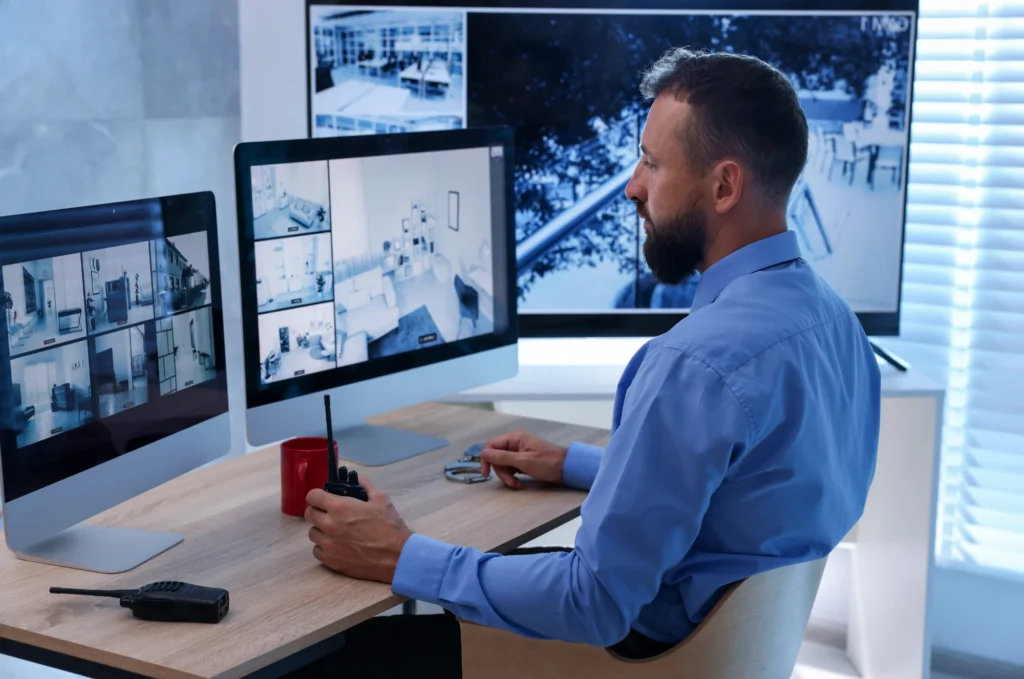
Some systems are self-monitored, while others send alerts to a monitoring center. The service may verify the event and start an emergency response process based on the account settings. Users should still check local rules and response procedures before relying on any monitored service.
Are Home Alarm Systems Worth It?
Yes, for many homes, they are. Basic alarm systems can be a cost-effective way to detect door and window entry without paying for a camera-heavy setup. They often make the most sense for smaller homes, apartments, or households that want simple alerts, a siren, and reliable entry detection without added complexity.
When Basic Alarms Are Enough?
A smaller home or apartment may only need contact sensors and a siren. That setup can lower costs and reduce privacy concerns because it collects less visual data. For some users, that is the right level of protection.
When Full Systems Add More Value?
Larger homes, detached garages, and properties with frequent deliveries may benefit more from cameras, app alerts, and broader coverage. A full system can combine entry detection with video and life-safety devices. That added visibility may make the higher cost more reasonable.
Are Home Security Cameras Worth It?
Yes, but they work best as one part of a larger plan to protect your home. Cameras can verify activity, review events, and improve awareness, but they do not stop entry on their own. They are most useful when paired with lighting, strong hardware, and clear alert settings.
Where Cameras Help the Most?
Cameras help most at front doors, garages, driveways, and rear entries, and knowing where to place security cameras makes a real difference in how much coverage you actually get.
They can also help with deliveries, visitors, and service calls. A camera is more valuable when it clearly and reliably covers a key area.
Limits of Camera-Only Protection
A camera-only setup has limits as a full smart security plan. If no one sees the alert or the connection fails, the event may still unfold without action. Good storage, signal strength, and power planning are all part of reliable performance.
Are Smart Home Security Systems Worth It?
Yes, especially for users who want remote access, smart home automation, and app-based control. The benefit comes from easier management and stronger links with other smart home devices, and a clearer understanding of smart home cost. Still, more connected features also mean more setup and more chances for problems.
When Smart Tools Cost Too Much?
Costs can rise quickly when subscriptions, cloud storage, and extra devices are added. Barret Abramow, Project Manager and Co-Owner, may be relevant when device planning and electrical scope need coordination on a more complex project. A system should fit the site and the budget, not just the product list.
Home Security Systems: DIY vs Professional
DIY systems can work well for smaller properties and users who are comfortable with setting up home automation devices, testing, and battery changes.
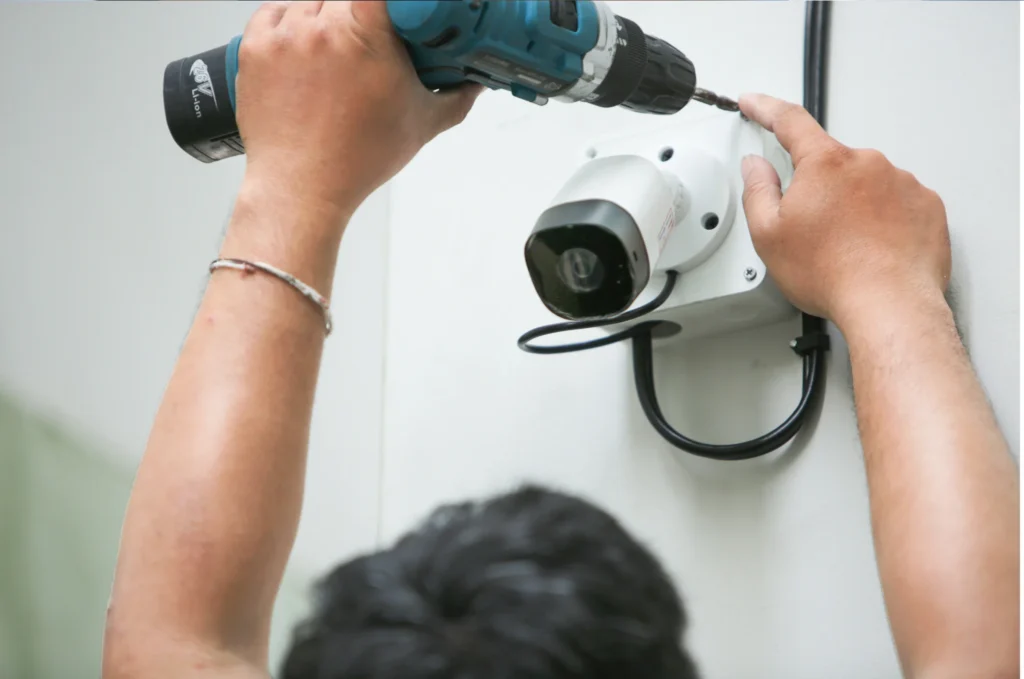
Professional installation may make more sense for larger homes, hardwired devices, or layouts that need more detailed planning. Grounded Electric is also Generac Certified, which may matter when backup power planning affects routers, cameras, and communication devices.
Which Setup Fits Your Home?
DIY may be enough for simple coverage goals. A professional review may be useful when the property has multiple zones, wiring needs, or more involved placement questions. The right choice depends on the layout and the level of customization needed.
Wireless vs Wired Systems
Wireless systems are often easier to install. Wired systems may offer more stable communication and less battery maintenance, but they usually require more planning. The better option depends on construction type, access, and long-term service needs.
Best Home Security System Options
The best home security systems are the ones that match the size of the home, the number of entry points, and the level of risk you want to address. A smaller property may do well with a basic home security solution that includes a door and window sensor, a few motion sensors, and one doorbell camera.
A larger home may need broader coverage with security cameras, outdoor cameras, glass-break sensors, and a connection to a monitoring center for faster alerts and more comprehensive monitoring.
For many homeowners, the best setup is the one that gives clear alerts without adding too much complexity. If the goal is a stronger response and less uncertainty, 24/7 professional monitoring may add value. If the goal is lower cost and simpler control, local alerts and recorded video may be enough.
How to Compare Home Security Systems?
Compare systems by looking at what they detect, how they send alerts, and what happens after detection. Check whether the setup includes motion sensors, security cameras, video doorbells, environmental sensors, or emergency-response support via a monitoring center.
This makes it easier to see whether you are purchasing a home security setup that actually fits the property.
You should also compare monthly fees, app quality, storage limits, and compatibility with your other smart home devices. compatibility The best option is the one that balances cost, coverage, and ease of use for that specific home.
Alternatives to Home Security Systems
A full system is not the only way to improve safety. Better locks, reinforced strike plates, smart lighting, trimmed shrubs, and visible house numbers can all reduce risk. In some cases, these steps give better value than a larger package.
When Home Security Systems Are a Waste of Money?
Home security systems can be a waste of money when the setup does not match the property, the monthly fees are too high for the level of risk, or the homeowner will not use the features consistently. A low-risk home with strong locks, good lighting, and clear visibility may not need a large home security solution.
They can also be of poor value when the equipment is installed badly or chosen without a clear plan. A system with too many motion sensors, poorly placed outdoor cameras, or confusing smart home devices may trigger false alerts rather than provide peace of mind.
