



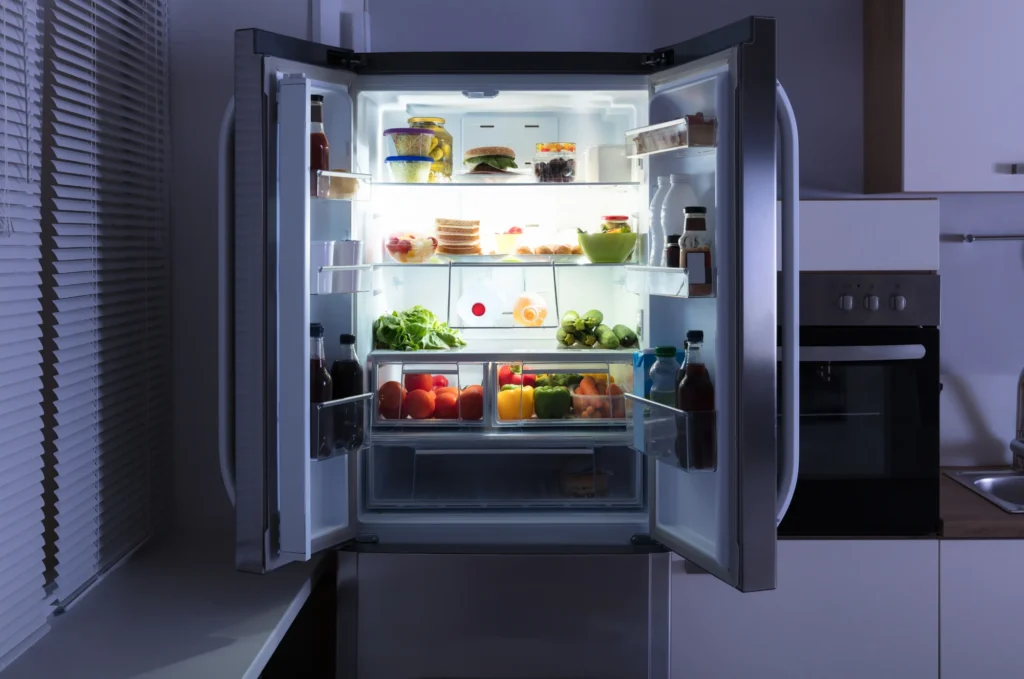
A typical refrigerator needs a generator rated between 2,000 and 3,000 watts, depending on its running and starting wattage.
When choosing a generator size for a refrigerator, the key factor is the starting power required by the compressor. It also needs enough power to keep the fridge running during a power outage. Grounded Electric evaluates these loads in the context of safe wiring, backup power, and code-aware planning.
Key Takeaways
- A typical refrigerator usually needs a 2,000- to 3,000-watt generator, but the exact size depends on running watts, starting watts, and connected loads.
- A refrigerator and freezer together often require 3,000 to 5,000 watts because both appliances can produce compressor-startup surges.
- Generator size should account for the highest starting watts, the running watts of other appliances, and a safety buffer.
- Portable, inverter, standby, and solar generators can all provide refrigerator backup, but each type is suited to a different outage scenario.
- A transfer switch, outdoor placement, and proper load planning are key safety factors when connecting backup power to home circuits.
What Size Generator Do You Need?
Most standard refrigerators use less power once running, but they need a higher surge when the compressor starts.
A 2,000-watt generator may run a refrigerator in many cases, while a 3,000-watt unit provides more headroom for startup loads.
The right-sized generator to run a refrigerator depends on the appliance’s label, age, compressor type, and other connected loads.
Quick sizing guide:
- Refrigerator only: 2,000 to 3,000 watts
- Refrigerator and freezer: 3,000 to 5,000 watts
- Refrigerator, freezer, and furnace blower: often 5,000 watts or more
- Whole-home backup: requires load calculation and transfer switch planning
Search terms like “how big a generator to run a fridge” point to the same issue: users need both startup and steady loads. A refrigerator may seem small, but the compressor can create a short power spike. That spike affects safe generator power for refrigerator use.
Refrigerator Wattage Basics
Refrigerators require two main power values: running watts and starting watts. Running watts describe the power needed after the compressor is operating. Starting wattage refers to the short burst of power required when the compressor turns on.
Running Watts
Running wattage for a home refrigerator typically ranges from 100 to 800 watts. Older models, large units, and refrigerators with extra features may use more power. This number helps estimate steady power consumption.
Starting Watts
Starting watts can be two to three times higher than running watts. This is why a refrigerator that runs at 700 or 800 watts may need much more power for a few seconds. The generator must handle this surge without overloading.
Nameplate Wattage
The appliance nameplate or owner’s manual gives the best starting point for power requirements. It may list watts, amps, or volts. If it lists amps, wattage can be estimated by multiplying volts by amps.
Generator Size by Refrigerator Type
Generator size varies by refrigerator type. A compact unit needs less power than a large refrigerator with an ice maker, water dispenser, or dual cooling system. The more features a refrigerator has, the more likely it is to have higher starting and running loads.
Mini Refrigerator
A mini refrigerator often runs on a smaller generator because it consumes less power. Many compact models use only a few hundred running watts. Still, starting watts should be checked before choosing a generator.
Standard Refrigerator
A standard refrigerator often works with a generator in the 2,000-watt to 3,000-watt range. This range usually covers the startup surge and normal operation. The exact number depends on the model and other appliances connected.
Large Refrigerator
A large refrigerator may need more capacity, especially if it has multiple compressors or added features. When users search for the right generator size to run a large refrigerator, the safest answer starts with the appliance label. Extra capacity helps reduce the risk of overload when the compressor cycles on.
Refrigerator and Freezer Generator Size
A refrigerator and freezer together need more generator capacity than a refrigerator alone. The search phrase what size generator to run refrigerator and freezer usually involves two compressor loads. Both units may not start at the same second, but the generator should have enough capacity for safe operation.
- Fridge and deep freezer: A generator rated between 3,000 and 5,000 watts may be needed, depending on the appliances. This also answers how big a generator to run a fridge and a deep freezer. Add the running load, then account for compressor startup surge.
- Chest freezer wattage: A chest freezer often uses modest running power, but its compressor still creates a startup load. This matters when the refrigerator and chest freezer cycle close together. Extra generator capacity helps handle these changes.
- Extra appliance load: It changes the answer quickly. Lights, routers, sump pumps, and furnace blowers add demand. The more appliances running at once, the larger the generator must be.
Refrigerator Backup for a House
Choosing a generator for one refrigerator is different from choosing backup power for a house. The phrase what size generator to run a refrigerator for a house usually includes lights, heat, outlets, and core circuits. A licensed electrician can help separate essential loads from nonessential loads.
Furnace and Refrigerator
A furnace blower can add a meaningful electrical load. The search for the size generator to run the furnace and refrigerator depends on blower wattage, starting surge, and wiring setup. Robert “Bobby” Mulholland, Grounded Electric’s licensed electrician, reviews these load factors when planning safe backup systems.
Lights and Small Devices
Lights and small devices may not use much power on their own. Together, they can reduce available generator capacity. This is why load planning matters during an outage.
Microwave or Coffee Maker
Microwaves and coffee makers often draw high wattage for short periods. They may overload a small generator if the refrigerator compressor starts at the same time. Avoid stacking high-demand devices on a limited generator.
How to Calculate Generator Size
To calculate generator size, start with the running watts of every device you want to power. Then add the largest starting surge among compressor-based appliances. This simple method helps answer how many watts a generator is to run a fridge without guessing.
Generator size = highest starting watts + running watts of other appliances + safety buffer
Use this basic process:
- List each appliance you want to power.
- Find the running watts for each item.
- Identify the highest starting watts.
- Add a safety buffer before choosing a generator.
- Avoid running high-demand devices simultaneously.
Will a 5000 Watt Generator Run a Refrigerator?
Yes, a 5,000-watt generator will usually run a refrigerator and several smaller household loads. It may also support a freezer, lights, and a limited number of devices, provided the total load stays within the generator’s rating. The setup still needs safe cords, proper placement, and load management.
A 5,000-watt unit does not make every connection safe. Backfeeding a home panel without a transfer switch is dangerous and can harm utility workers. Barret Abramow, Project Manager and Co-Owner, helps coordinate planning details when generator work connects with broader electrical projects.
Best Generator Type for Refrigerator Backup
The best generator for refrigerator backup depends on the expected outage length, the fridge’s starting watts, the load of other appliances, and the connection method. Different types of generators can work, but each one fits a different backup need.
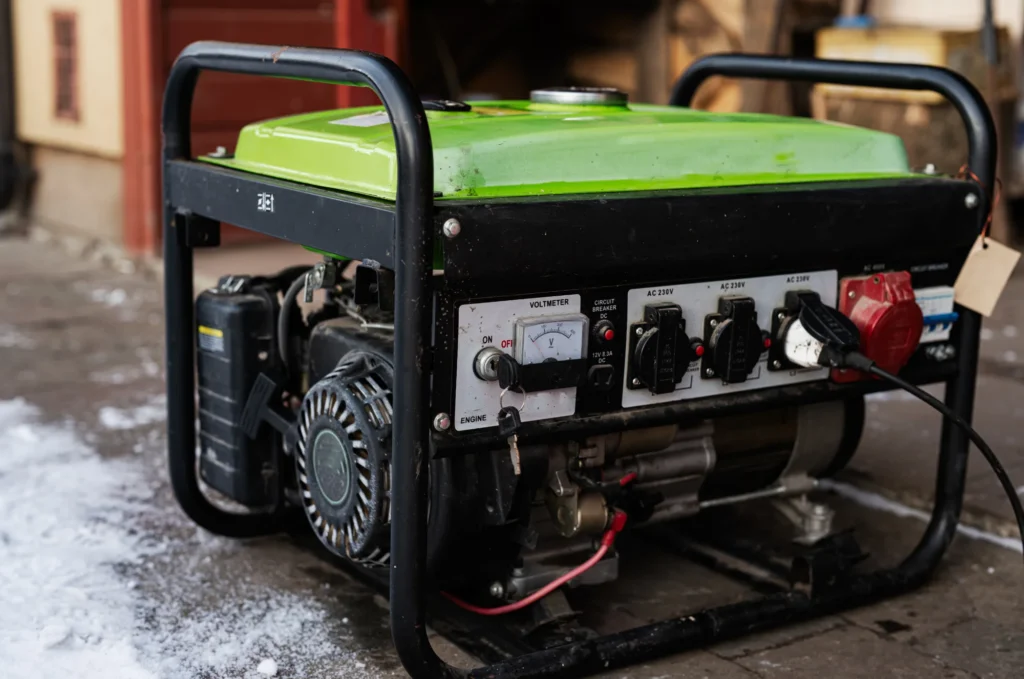
- Portable generator: A portable gas generator can run a fridge during an outage if it has enough starting-watt capacity. It must stay outdoors, away from doors, windows, garages, and enclosed spaces.
- Inverter generator: An inverter generator can work well for a refrigerator and sensitive electronics because it often provides steadier power and quieter operation. Smaller models still need enough surge capacity to start the compressor.
- Standby generator: A standby generator is better for home circuit backup when you want to power a refrigerator, freezer, lights, furnace, or selected circuits. It usually requires a transfer switch, and Grounded Electric is Generac Certified for code-aware standby generator planning.
- Solar generator: A solar generator may work for short outages if its battery capacity, watt-hour rating, and surge output match the refrigerator’s load. It is less reliable for long outages unless it can recharge fast enough.

Generator Safety and Installation
Generator safety depends on proper sizing, placement, connection, maintenance, and the use of the right generator cover when running and when weather protection is needed. A generator must stay outdoors and away from doors, windows, and vents. Fuel storage, extension cord rating, grounding, and weather protection also matter.
Transfer Switch Safety
A transfer switch helps safely connect backup power to a home. It prevents generator power from feeding back into utility lines. It also helps control which circuits receive backup power.
When deciding what size generator to run a refrigerator during a power outage, sizing is only one part of safe operation.
Once you know your generator can handle the load, make sure it is properly protected from the elements while running. Rain, poor placement, and blocked ventilation can create safety risks even when the generator has enough wattage.
Avoid Indoor Generator Use
Never run a portable generator indoors or in an attached garage. Open doors and windows do not make indoor use safe. Carbon monoxide can build up quickly and pose a serious risk.
Prevent Overloads
Overloads occur when the connected load exceeds the generator’s capacity. Signs may include tripped breakers, voltage drops, or devices shutting off. Keeping loads limited protects both the generator and connected appliances.
What Is the 20/20/20 Rule for Generators?
The 20/20/20 rule is often used as a general guideline for maintenance and load awareness, but users should always follow the manufacturer’s manual. Generator care may include regular exercise, oil checks, load checks, and safe operating habits. The rule should not replace the manual, local code, or professional guidance.
When to Call an Electrician
Call an electrician when a generator connects to home wiring, a transfer switch, a furnace circuit, or multiple essential circuits. Professional evaluation is also important when loads are unclear or when the panel needs a safe backup power setup. A licensed electrician can verify power requirements, circuit limits, grounding, and code compliance.
A proper setup can provide peace of mind because the refrigerator, freezer, and selected circuits are planned based on actual load data. This does not mean every appliance can run at once. It means the system is sized, connected, and used with safety in mind.