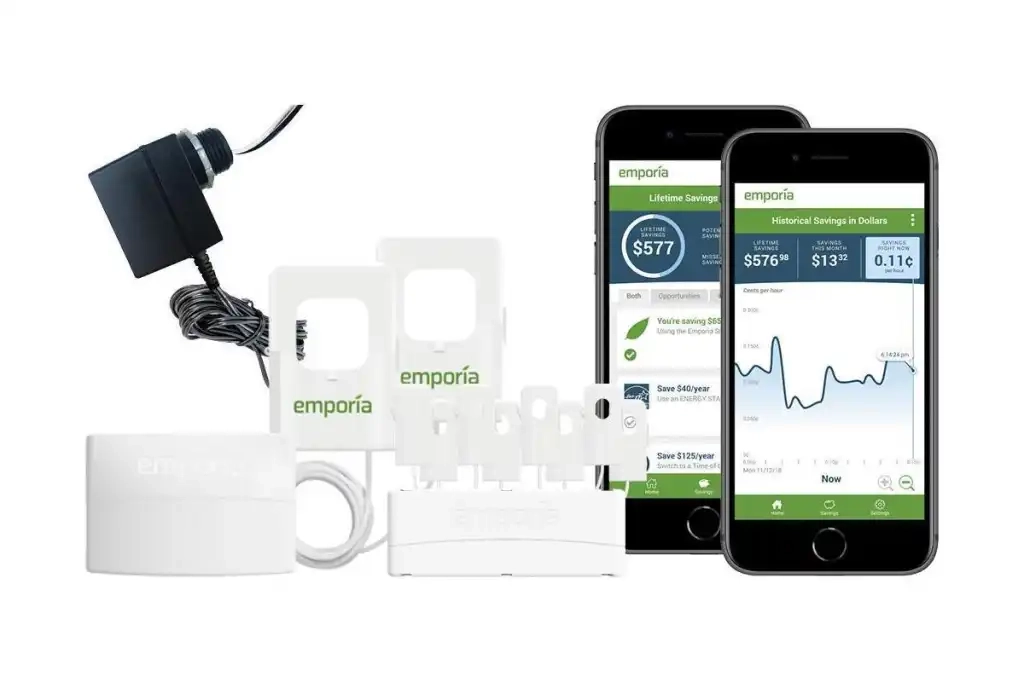


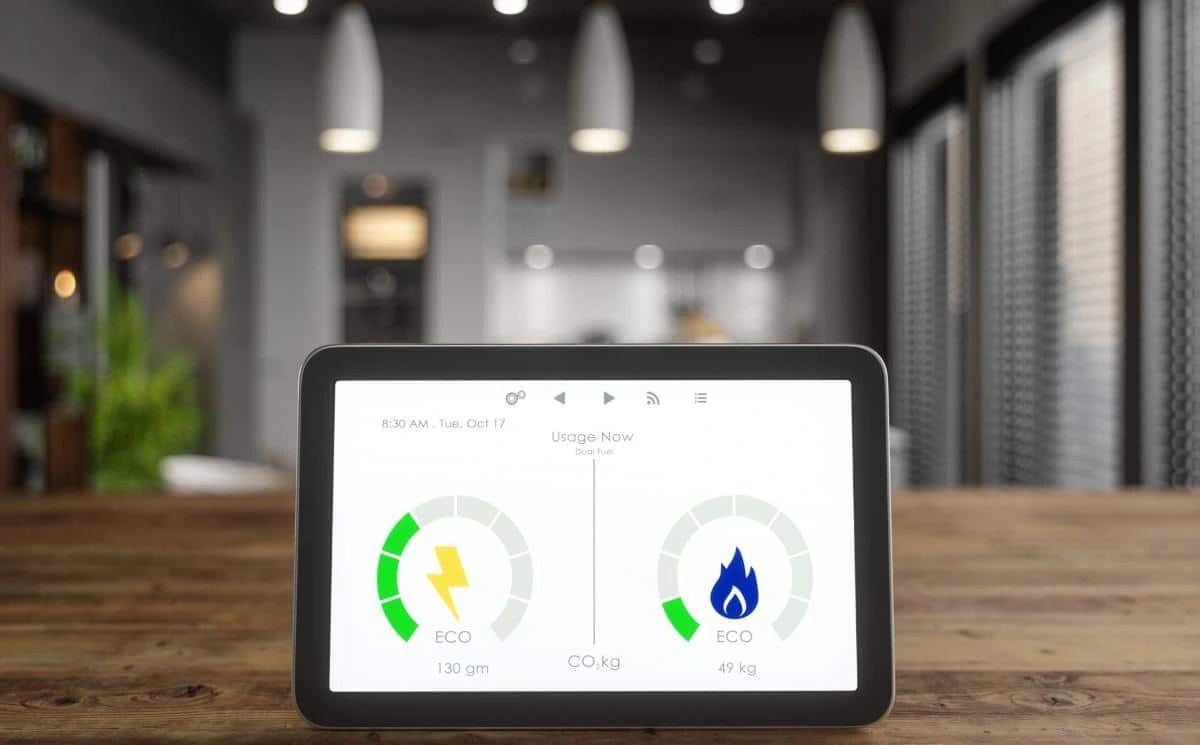
A home power monitoring system helps you track electricity usage in real time and understand which devices increase monthly costs. A home energy monitor highlights waste at the electrical panel and shows clear energy consumption patterns.
This helps you plan upgrades, reduce electricity bills, and improve overall power management. Grounded Electric installs these systems with safe, code-compliant methods, and Barret Abramow guides homeowners through the proper setup.
Key Takeaways
- A home power monitoring system tracks real-time energy usage and supports lower electricity bills.
- Circuit-level monitors offer more precise insight for high-load homes.
- Time-of-use pricing and solar output affect how much value your system provides.
- Installation requires a licensed electrician, and monitoring does not replace code-based load calculations.
- Homes with higher energy use see the most significant benefits and savings.
What Is the Best Home Energy Monitor
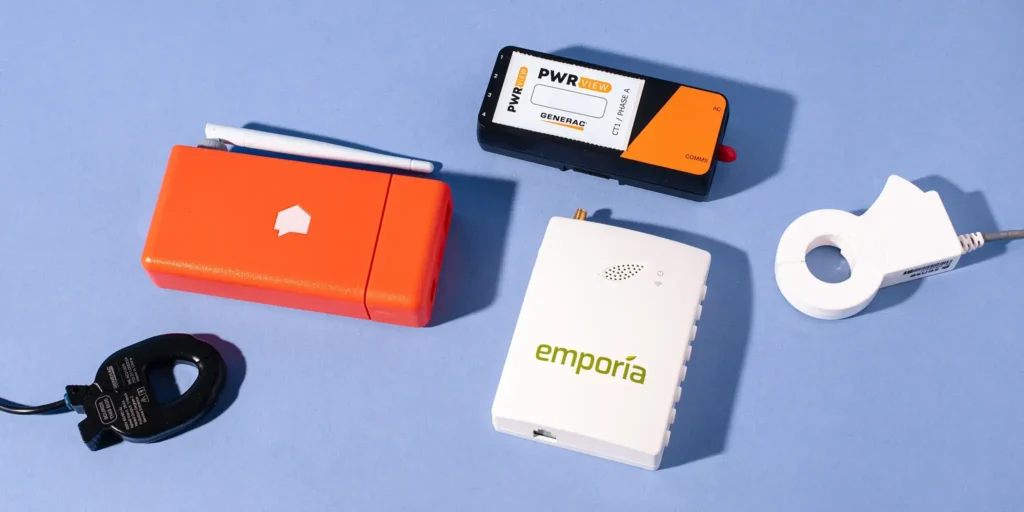
The best home energy monitor depends on your home and what you want to track. If you want a simple whole-house view with real-time data and long-term history, the Sense Home Energy Monitor works well. If you need usage details for each circuit such as HVAC, kitchen, or an EV charger, the Emporia Vue 3 Smart Home Energy Monitor offers that level of insight.
If you prefer a budget-friendly option that keeps setup easy and still tracks whole-home energy, the Eyedro Home Energy Monitor is a good fit if you’re mindful of your smart home installation costs.
If you want a system from a major electrical brand with a more structured monitoring approach, the SIEMENS Inhab Smart Home Energy Monitor is worth considering.
Your ideal choice depends on your electrical panel, how much detail you want to see, and the effort you are comfortable putting into installation and setup.
How to Monitor Home Electricity Usage
Utilities may use flat-rate or time-of-use pricing, and a power usage monitor helps you adjust habits for lower costs. A home energy monitor app displays electricity usage, daily trends, and estimated electricity bills.
Smart plugs and other home automation devices can turn off devices when energy usage rises and a smart thermostat can add further savings by adjusting heating and cooling automatically.A typical home may save $16 to $22 per month by shifting 300 kWh of peak-hour consumption to off-peak times.
How a Power Usage Monitor Works
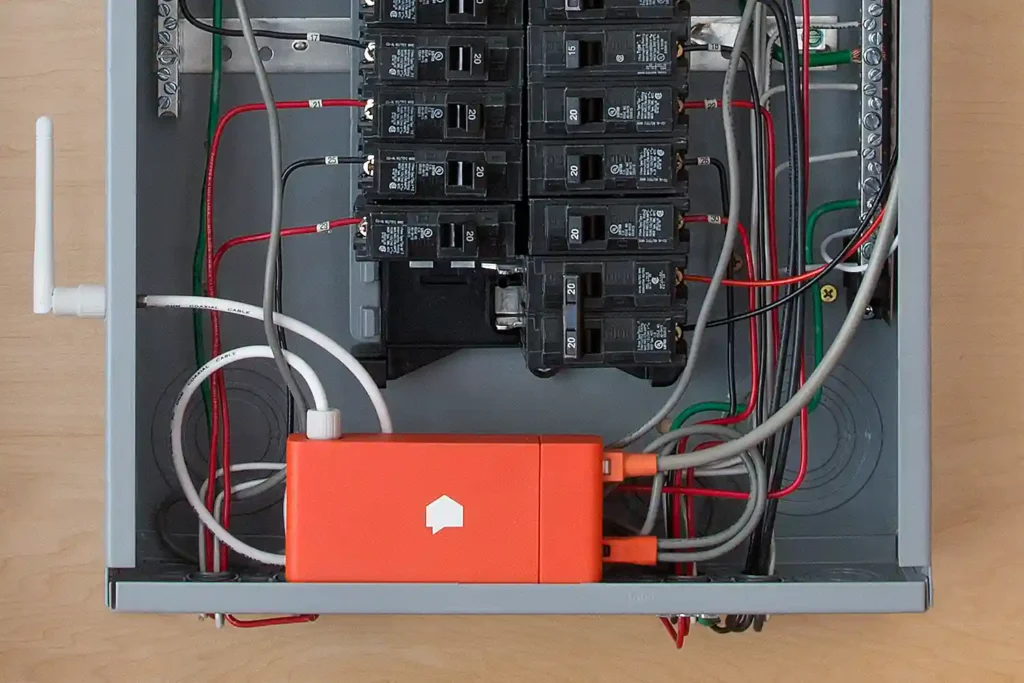
Sensors clamp around your main lines to measure total power consumption. These systems track energy usage every few seconds and create simple reports.
Whole-home monitors measure total load, while circuit-level monitors provide more precise data. Circuit systems capture short power spikes more accurately, enabling better management of heavy appliances such as freezers, where understanding freezer wattage and power use can help identify both normal consumption and startup demand.
Types of Home Power Monitoring Systems
Whole-home monitors give a broad view of home electricity usage and monthly energy consumption. Circuit-level systems measure each breaker and reveal which loads drive power consumption. This helps you find savings opportunities and understand energy usage more precisely.
Smart Home, Solar, and EV Integration
Smart home, solar, and EV integration enables your home energy monitor to automate devices, track solar production, and manage EV charger load from a single platform, one of the practical advantages of a smart home.
Connected systems work with home assistant devices and smart plugs. Automation rules then adjust energy usage when demand rises.
Monitors also pair with net meter data to track solar output and EV charger load. Grounded Electric supports smart home installation in Alpine, NJ, for advanced setups.
Sense Energy Monitor Overview
The Sense Energy Monitor uses pattern recognition to detect devices, and the Sense Flex module expands tracking. It suits smaller homes needing faster installation.
Barret Abramow often recommends Sense for retrofits that do not require panel rewiring. These systems also connect well with smart home tools.
Emporia Vue 3 Home Energy Monitor
The Emporia Vue 3 Home Energy Monitor provides circuit-level tracking for detailed power measurement across multiple loads. It works well for HVAC systems, EV chargers, and high-demand tools. Larger homes benefit from their precision when managing energy consumption. This supports accurate verification after service upgrades.