



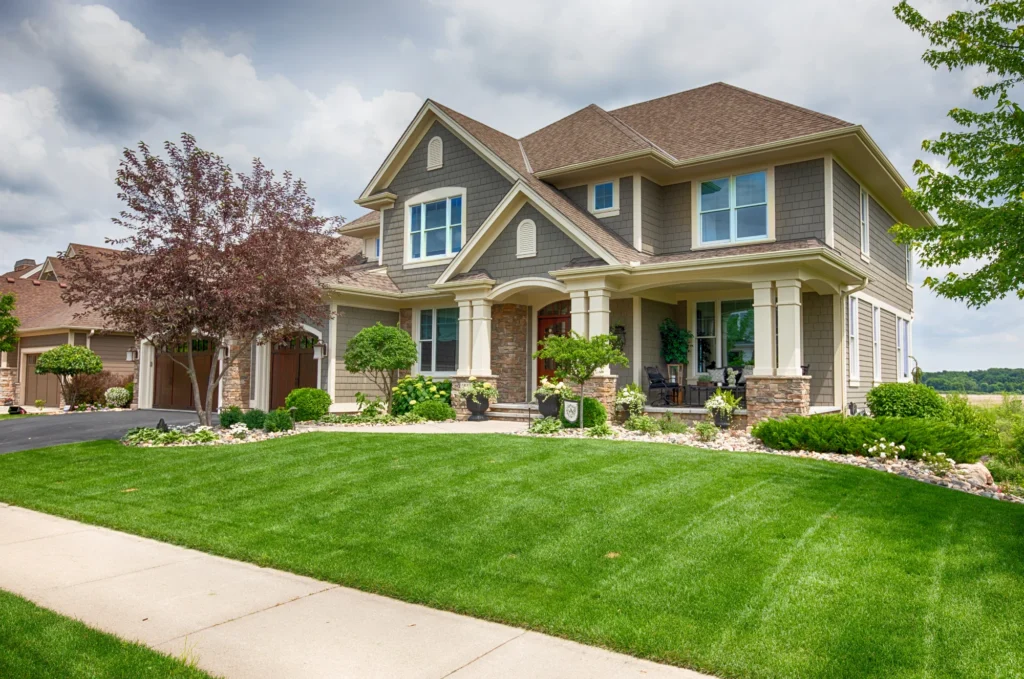
A 2,000 sq ft house usually needs a generator between 14kW and 24kW, depending on what you want to power during an outage.
If you are asking how big a generator I need for a 2000 sq ft house, the answer depends on essential appliances, HVAC load, starting watts, and whether you want partial or whole-home backup.
A smaller unit may support lights, refrigeration, internet, and a sump pump, while a larger standby unit may support central air conditioning and more circuits. Grounded Electric evaluates generator sizing based on the home’s actual electrical system, not on square footage alone.
Key Takeaways
- A 2,000 sq ft house usually needs a 15kW to 22kW generator for whole-home backup, while a 7,500 to 10,000-watt portable generator may cover essential circuits.
- The right generator size depends on power requirements, starting watts, HVAC load, fuel type, and the home’s electrical system.
- Square footage alone is not enough because two homes of the same size can have different appliances, pumps, heating systems, and circuit needs.
- A standby generator with an automatic transfer switch is usually better for broader backup, while portable generators may work for short outages and limited loads.
- A licensed electrician should confirm the load calculation, transfer switch setup, and code requirements before final equipment selection.
What Size Generator for a 2000 Sq Ft House
For a 2,000-sq-ft house, a 7,500- to 10,000-watt portable generator can power essential circuits. An 18kW to 24kW standby generator can support broader home backup.
If you want to power lights, a refrigerator, internet, a furnace blower, and a sump pump, a smaller generator may be enough. If you want central air conditioning, kitchen appliances, and more household circuits, you usually need a larger standby unit.
The right generator for a 2000 sq ft house depends on real power requirements, not square footage alone. A home with gas heat may need less capacity than a home with electric heat, a well pump, and an air conditioner.
A licensed electrician should confirm the load, starting watts, transfer switch setup, and fuel type. Then choose the final equipment.
Generator Size Chart by Backup Goal
A generator size chart helps you quickly compare the main backup options. These ranges are starting points, not final sizing rules. A licensed electrician should confirm the load before selecting equipment.
| Backup Goal | Common Generator Size | Typical Use |
|---|---|---|
| Essentials Only | 7,500 to 10,000 watts | Lights, refrigerator, outlets, sump pump |
| Essentials Plus Comfort | 12kW to 18kW | Essentials, furnace, internet, select appliances |
| Whole-House Backup | 20kW to 24kW+ | Larger loads, HVAC, broader circuit coverage |
For essentials only, the generator supports basic safety and comfort. This may include refrigeration, lights, Wi-Fi, furnace controls, and a sump pump. This setup can work for short power outages, but it will not run every appliance.
For whole-house backup, the system needs more capacity. A 20kW to 24kW standby unit may support many house generators needs, including larger loads and selected HVAC systems. Homes with electric heat, central air conditioning, or multiple high-demand appliances may need load management.
Why Square Footage Is Not Enough
Square footage does not measure electrical demand. Two 2,000-sq-ft homes can use very different amounts of power. The final generator size depends on HVAC equipment, appliances, circuits, and the number of loads running simultaneously.
HVAC often has the biggest effect on generator sizing. Central air conditioning and heat pumps can require high starting watts when compressors turn on. Gas heat may need less power because the generator usually runs only the blower, controls, and ignition parts.
Large appliances can also change size. Ovens, dryers, water heaters, refrigerators, freezers, well pumps, and sump pumps all have different loads. A backup generator must support both running watts and startup demand.
Common Wattage Needs
A generator wattage chart can help you compare common wattage estimates and plan loads. They should not replace the equipment label, owner’s manual, or a professional load calculation. Real demand can change by brand, age, size, and installation.
Key loads often include:
- Refrigerator or freezer, because food storage is usually a priority
- Furnace blower or central air, because comfort systems can require more power
- Sump pump or well pump, because pumps often have high startup loads
- Internet equipment, lighting, and selected outlets for daily use
- Kitchen appliances, if you plan to cook during an outage
An air conditioner can affect sizing more than most small appliances. A microwave may be easy to support, while an electric range or dryer may exceed the capacity of a smaller generator. You do not need to run every appliance during an outage, so circuit priorities matter.
Generator Size for Smaller Homes
A smaller home does not always need a smaller generator. Load depends more on equipment than room count. A compact home with electric heat may need more generator capacity than a larger home with gas heat.
If you ask what size generator I need for a 2-bedroom house, many homes can use a 7,500 to 12,000-watt unit for essential loads.
A larger standby system may be needed if the home has central air, electric heat, or a well pump. Bedroom count helps describe the home, but it does not calculate electrical load.
Portable vs Standby Generators
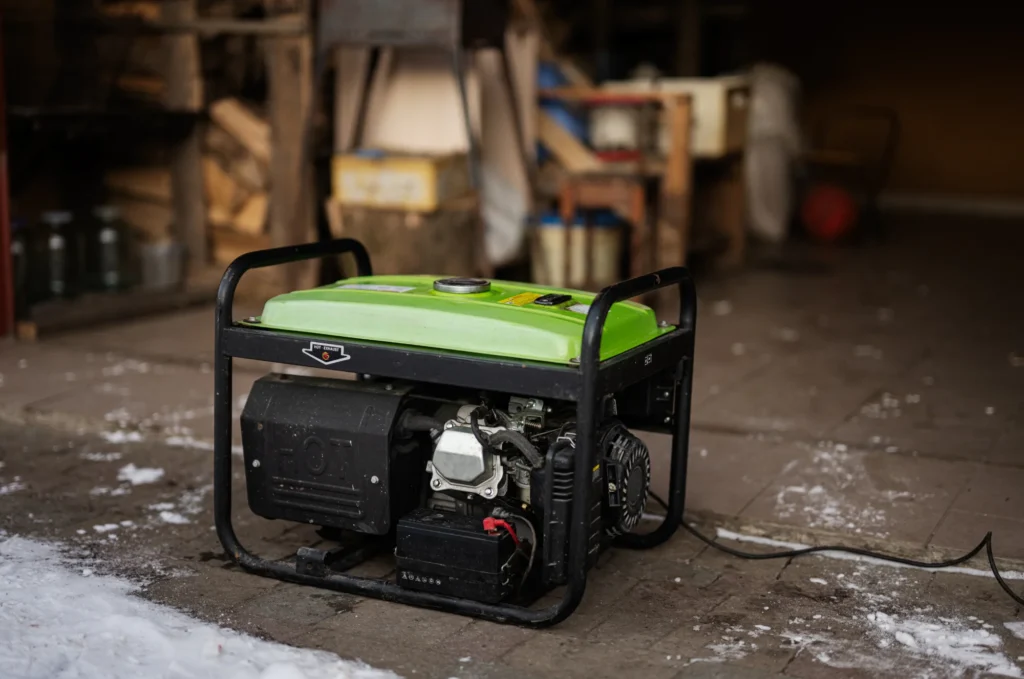
Different types of generators serve different backup needs. Portable generators can support selected loads, while standby units connect to the home through transfer equipment. The best choice depends on outage frequency, fuel access, load size, and how much manual setup you accept.
Portable generators can work for limited backup needs. They may power lights, a refrigerator, small appliances, and a few outlets. They require safe outdoor placement because carbon monoxide can build up quickly in enclosed or partly enclosed spaces.
Standby generators make sense when you want automatic backup for selected circuits or the full home. A standby unit is professionally installed and connected through transfer switches. This setup can provide better continuity during longer outages and may offer more peace of mind when properly sized.
What Size Generac Generator for a 2000 Sq Ft House
For a 2,000 sq ft house, Generac standby models in the 18kW to 24kW range are often considered for broader backup coverage. Still, a dedicated guide on what size Generac I need can help explain model selection in more detail.
The exact model depends on the home’s load, the transfer switch type, the fuel supply, and whether the system will power selected circuits or the entire home.
Grounded Electric is Generac-certified, which is relevant when reviewing Generac installation requirements, product sizing, and code-compliant setup. This section matters because Generac sizing is not only about wattage. It also depends on matching the generator, transfer equipment, gas line capacity, and electrical panel layout.
Best Generator for 2000 Sq Ft House
The best generator for a 2000 sq ft house depends on what you want to power during an outage. A smaller system may be enough for essential appliances, while a larger standby unit may be needed for broader home backup. The right choice should match the home’s electrical system, starting watts, fuel type, and transfer switch setup.
The three best generator options for a 2,000 sq ft house are:
- Essential-load portable generator: A 7,500 to 10,000-watt portable generator may work if you only need lights, a refrigerator, internet, a sump pump, and a few outlets.
- Partial-home standby generator: A 12kW to 18kW standby generator may support essential circuits plus some comfort loads, such as furnace controls, select kitchen outlets, and more lighting.
- Whole-home standby generator: A 20kW to 24kW standby generator may support broader backup needs, including HVAC systems, larger appliances, and more household circuits.
For most homeowners who want automatic backup, a standby generator with an automatic transfer switch is usually the better fit.
For short outages or limited backup needs, portable generators or inverter generators may be practical. A licensed electrician should confirm the load before choosing the final generator size.
Fuel Type and Runtime
Fuel type affects runtime, storage, maintenance, and installation planning. Natural gas, propane, and gasoline are common generator fuel options. Each fuel source has limits that should be reviewed before choosing equipment.
Natural gas is commonly used for standby generators and can provide a steady supply when proper gas service is available.
Propane works well for homes without natural gas, but tank size affects runtime. Gasoline is common for portable generators and inverter generators, but it requires safe storage, regular refueling, and careful carbon monoxide precautions.
Generator Safety and Transfer Switches
Generator safety depends on correct connection, placement, and operation. Transfer switches isolate generator power from utility power. This protects the home, the utility system, and workers who may repair power lines.
Do not plug in or connect:
- Appliances that exceed the generator rating
- Large electric heaters, dryers, ovens, or central AC units on undersized systems
- Sensitive electronics without stable power or surge protection
- Hardwired systems without proper transfer equipment
- Any generator indoors, in a garage, or near windows, because of the carbon monoxide risk
Backfeeding occurs when a generator supplies power to the panel without proper transfer equipment. This can energize utility lines, posing a shock risk to workers. Generator installation must comply with electrical codes, including wiring, grounding, permits, placement, and transfer switches.
Robert “Bobby” Mulholland, Grounded Electric’s licensed electrician and license holder, brings more than 30 years of field experience to these technical evaluations.
Barret Abramow, Project Manager and Co-Owner, helps coordinate project details that affect installation planning. These details matter because generator sizing connects directly to the home’s electrical system and safety requirements.
How to Size a Generator Correctly
Correct generator sizing starts with a load plan. The review should include the panel, circuits, appliances, HVAC equipment, fuel supply, and generator location. A professional load calculation provides a more accurate answer than square footage alone.
Start by listing the circuits that must run during an outage. Add the running watts of items that may operate simultaneously. Then add starting watts for motors, pumps, compressors, and HVAC equipment.
A generator should not operate at its limit during normal outage use. Capacity headroom helps support startup loads and reduces strain. It also allows room for small changes in future power needs.
Final Generator for 2000 Sq Ft House Recommendation
Most 2,000 sq ft homes need a generator between 14kW and 24kW. Essential-load backup may work with a smaller unit, while whole-home backup often requires a 20-24kW standby generator.
The safest answer comes from a load calculation that reviews HVAC, appliances, starting watts, fuel type, transfer equipment, and the home’s electrical system.
A generator should match how you plan to live during an outage. If you only need basic circuits, a smaller setup may be enough. If you want broader coverage, a professionally installed standby system with an automatic transfer switch may be the better fit.