



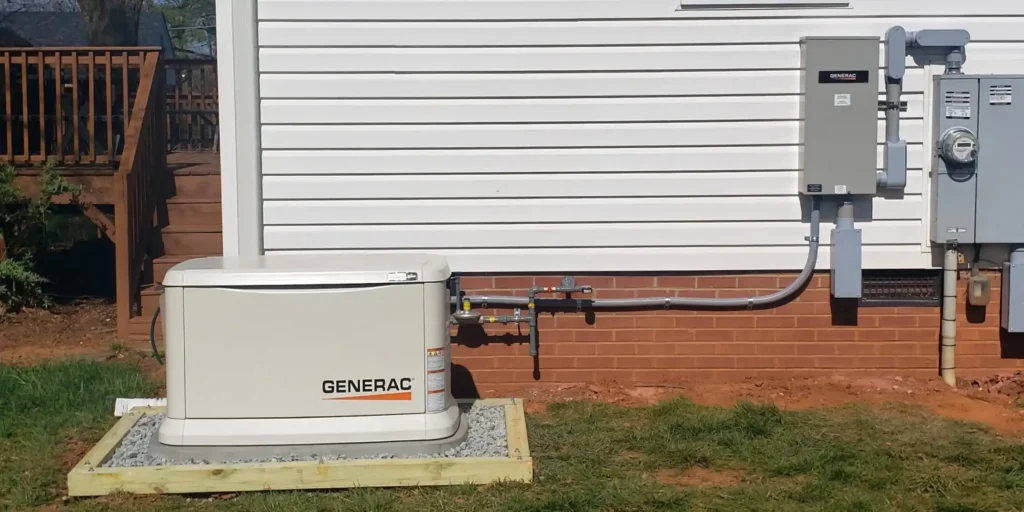
Grounded Electric is a licensed electrical contractor that installs and services Generac systems. We use these numbers every time we help a homeowner plan for backup power.
Key Takeaways
- A Generac generator burns 100 to 300 cubic feet of natural gas per hour, depending on the unit’s size and load.
- Load matters as much as size. A generator at 50% load burns 60 to 70% of its full-load rate, not half.
- Running a mid-size Generac on natural gas typically costs $2 to $5 per hour, or $50 to $120 over a full day.
- Natural gas usually costs less per hour than propane, but propane keeps running if the gas utility itself goes down.
- Use the wattage-load formula to estimate fuel use for any generator size, then check the manufacturer’s spec sheet for your exact model.
How Much Gas Does a Generator Use by Size
If you’re wondering how much gas a generator uses at your specific size, here’s the breakdown. Generator sizes typically range from 8kW for smaller homes up to 22kW or more for larger properties.
A higher kW unit requires more fuel to produce more power. A 22kW generator will always burn more gas per hour than a 10kW model running the same load percentage.
| Generator Size | Half Load (ft³/hr) | Full Load (ft³/hr) |
|---|---|---|
| 8kW | 80–100 | 120–140 |
| 10kW | 100–130 | 150–180 |
| 12kW | 120–150 | 170–200 |
| 16kW | 170–220 | 220–260 |
| 20kW | 180–250 | 250–290 |
| 22kW | 220–260 | 260–300 |
Smaller units like the 10kW and 12kW models cover your essentials: fridge, lights, sump pump. The 22kW and larger models typically run your entire panel instead of picking and choosing circuits. If you’re not sure where your home falls on that range, we’ve got a guide on how big of a generator you need for a 2,000 sq ft house that walks through the sizing math.
Run that same load for 24 hours, and you’re looking at 2,400 to 6,000 cubic feet, depending on size. Bobby Mulholland, Grounded Electric’s licensed head electrician, points out that most residential outages wrap up in under 48 hours. That’s the number that actually matters when you’re sizing a unit, not the theoretical max.
If you want to know how long a Generac generator will run on a full tank or connected gas line, that’s worth checking before you buy.
How to Calculate Your Own Generator’s Fuel Use

The chart above covers common sizes, but you can run the math yourself for any generator, including one we didn’t list.
Here’s the formula:
Wattage × Load % × 0.6 ÷ 1,000 = cubic feet per minute, then multiply by 60 for cubic feet per hour.
Say you’ve got a 15kW generator running at 50% load:
15,000 × 0.5 × 0.6 ÷ 1,000 = 4.5 cubic feet per minute
4.5 × 60 = 270 cubic feet per hour
That 0.6 figure is the average fuel-to-power conversion rate for natural gas generators. Close enough for planning, though it shifts a bit depending on the model. If you want the exact number for your unit, check the spec sheet. Generac publishes a fuel curve for every model, built from real testing, not an average like the formula above.
The formula gets you in the right range fast. The spec sheet gets you the exact number.
How Load Affects Fuel Consumption
Size isn’t the only variable. Load matters as much, maybe more. When a generator operates at 50% load, it’s not burning half the fuel it would at full load. It usually burns at 60-70% of that rate because fuel consumption and load don’t scale linearly.
That’s one of the key factors a lot of homeowners overlook when comparing generator sizes off the top-line numbers alone.
Natural Gas Generator Fuel Consumption
The math behind natural gas generator fuel consumption starts with understanding how a natural gas generator works, specifically the fuel curve, a chart every manufacturer publishes showing burn rate at different load points.
Generac builds these curves into their spec sheets, so you can look up your exact model instead of guessing off a general range. Want a number you can actually plan around? Start with that spec sheet, or use the formula above to get close in the meantime.
Cost to Run a Generac Generator on Natural Gas
Natural gas generator cost per kWh depends on your local gas rate, and that varies by region and provider. In real-world terms, most homeowners see $2 to $5 per hour in running costs for a mid-size Generac on natural gas.
A full 24-hour day of use typically runs $50 to $120, depending on unit size and load. Most gas rates fall between $1 and $1.50 per hundred cubic feet, which works out to roughly $0.10 to $0.20 per kWh. That’s generally cheaper than a diesel generator and cheaper than most gasoline generators, per kWh of output.
A 22kW Generac at full load costs about $8 to $12 per hour, or $190 to $290 over a full day. Your local gas rate is the number that actually drives this math, so check your last bill if you want a real figure rather than an average.
Natural Gas vs. Propane for Generac Generators
Natural gas and propane are the two most common fuel types for standby Generac units, and each one comes with a tradeoff. Natural gas pulls from your home’s existing gas lines, so there’s no tank to refill, but your fuel source depends on utility service staying up.
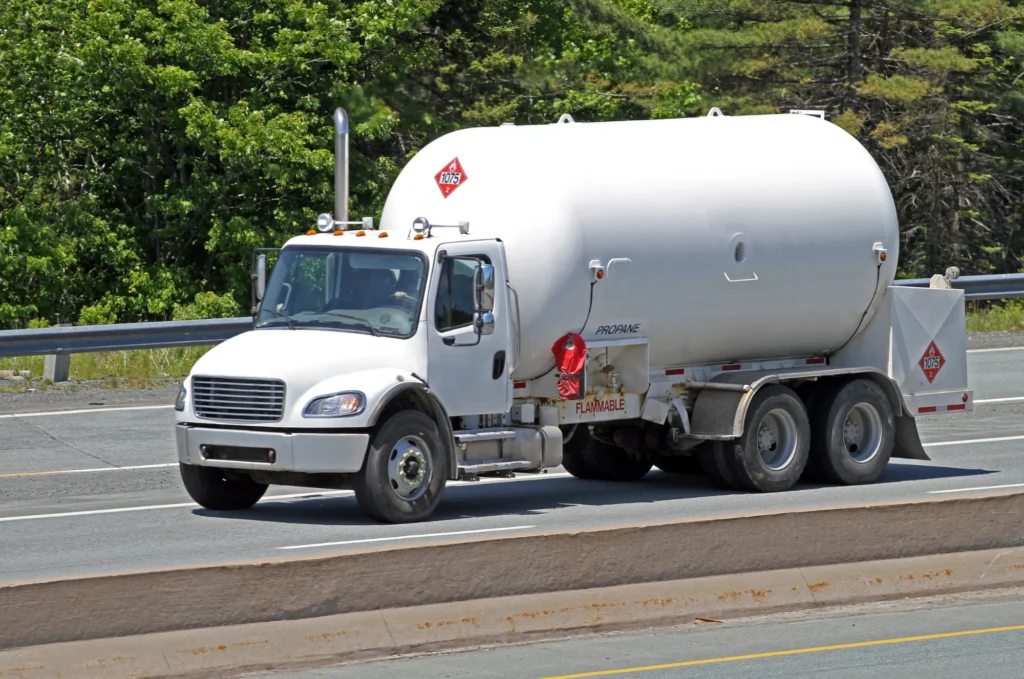
Propane needs an on-site tank you have to monitor and refill, but it keeps running even if the gas utility goes down. Your choice really comes down to which failure point worries you more: the utility line or an empty tank.
A 26kW Generac on propane uses about 2.5-3.6 gallons per hour at full load. Cost-wise, natural gas usually wins on an hourly basis, since propane runs $2.50 to $3.50 per gallon in most areas while natural gas stays cheaper per equivalent unit of energy.
Propane’s real advantage shows up when the gas utility itself goes down. That’s the one scenario natural gas can’t cover.
Factors That Affect Fuel Efficiency
Natural gas generators typically run close to their published fuel rate when they’re new and well maintained. A few things push your real number away from the chart:
- Age and maintenance: An older or poorly maintained unit burns more fuel for the same output. Staying on top of fuel line inspections keeps you closer to the manufacturer’s rate in the long term.
- Cold weather: The engine works harder to start and maintain output in cold conditions, which increases fuel consumption.
- Elevation: Higher elevations mean thinner air, which can nudge consumption slightly above sea-level numbers.
Get a Generac Generator Installed by Grounded Electric
Choosing the right generator size and fuel type depends on your home’s electrical load, your local gas infrastructure, and how much you’re willing to spend on long-term operating costs.
Barret Abramow, Grounded Electric’s Project Manager and Co-Owner, walks homeowners through these factors before recommending a unit. Grounded Electric is Generac-certified, meaning the team follows manufacturer specifications for installation and service.
A licensed electrician can confirm whether your property’s gas line supports the size generator you’re considering before work starts.