




Grounded Electric, a licensed electrical contractor serving Bergen County, outlines each step below. A licensed electrician should handle work involving wiring, gas lines, or permits.
Key Takeaways
- Service the generator before storm season. An oil and filter change, battery test, and load test catch weak batteries, old oil, and stale fuel before they stop a standby unit from starting.
- Have a licensed electrician handle the installation. New Jersey requires a permit for a whole-house generator; the wiring must meet NEC Article 702, and a transfer switch or listed interlock kit keeps generator power off the utility lines.
- Place the generator outdoors, at least five feet from openings for a standby unit and 20 feet for a portable one. Never run one in a garage, shed, or basement, and keep carbon monoxide alarms on every level.
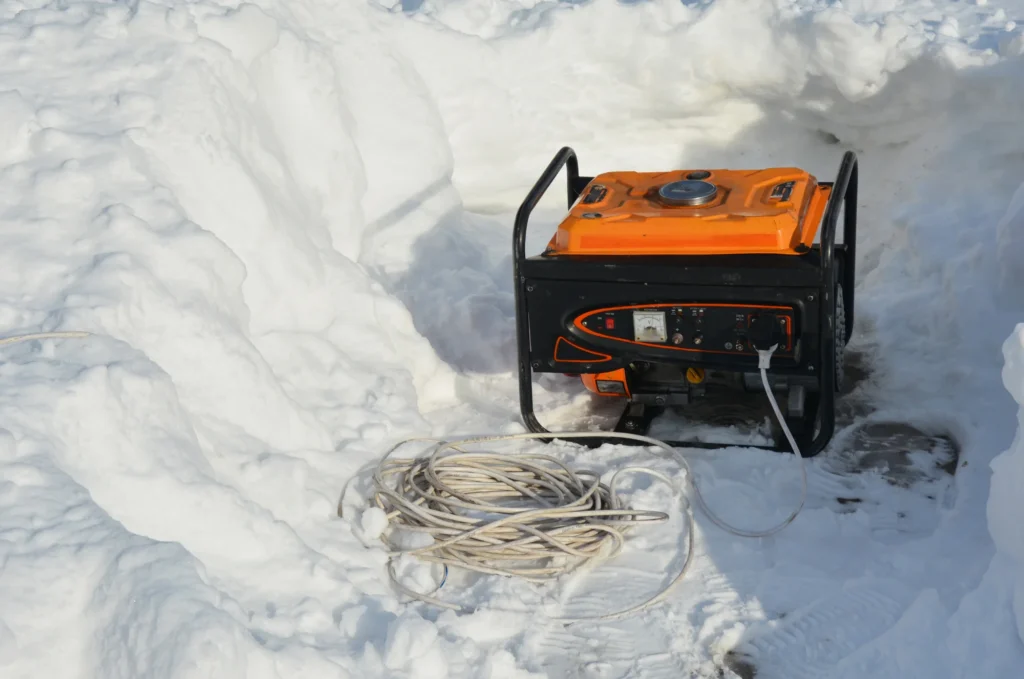
- Keep snow cleared from around the generator so air and exhaust move freely. Portable units need a ventilated cover made for use while running if they operate in rain.
- When the power goes out, report it to your utility, stay 30 feet from downed lines, and rely on a kit you stocked and charged ahead of time.
Steps to Prepare Your Generator for a Storm
Schedule generator servicing first, then confirm the fuel supply and test the transfer switch. November begins New Jersey’s colder storm season, when nor’easters and other winter weather can bring snow, strong winds, and outages to Bergen County. Preparing before the first storm leaves time to fix any problems.
Service and Test Your Generator
Annual generator maintenance includes an oil and filter change, battery testing, and a load test. Grounded Electric provides two maintenance visits per year for a regular fee of $450. Homeowners who mention the website promotion receive $25 off, bringing the price to $425.

Homeowners often invest thousands of dollars in a standby generator, but skipped maintenance can leave it unable to start. Weak batteries, old oil, and stale fuel are common causes, and servicing catches them before a storm.
Head electrician and license holder Robert “Bobby” Mulholland has over 30 years of experience, and the company is Generac Certified.
Stock Fuel and Estimate Runtime
Fuel supply sets how long a generator runs. Standby units use natural gas or propane, so runtime depends on the gas supply or the propane tank size. Portable units burn gasoline, which should be stored in approved containers outside the home and treated with a fuel stabilizer.
To estimate runtime, divide the fuel on hand by the hourly consumption listed in the manual at your expected load, check a generator fuel consumption calculator, or ask an electrician to run the numbers.
NJ Winter Storm Generator Requirements
New Jersey’s Uniform Construction Code requires a permit for a whole-house generator, and a portable setup with an inlet or interlock needs an electrical permit.
The wiring must meet Article 702 of the National Electrical Code. Towns can add their own rules, so confirm details with your local construction office.
Permits and Licensed NJ Electrician Rules
Only a licensed New Jersey electrician should connect a generator to a home’s electrical system. That work covers the transfer equipment, grounding, and circuit protection.
Gas and propane connections may need separate permits and licensed professionals, and the local inspector reviews the finished work.
Where to Put and Run a Generator Safely
Place the generator outdoors on level ground, clear of decks, snow drifts, and roof runoff. Exhaust contains carbon monoxide, an odorless gas that can overcome a person within minutes.
Standby units generally need to be at least five feet from windows, doors, and vents under NFPA 37, and the manual or local code may require more.
- Keep portable generators 20 feet from doors and windows.
- Never run a generator in a garage, shed, or basement where exhaust cannot ventilate properly.
- Install carbon monoxide alarms on every level.
- If you feel dizzy, sick, or weak while a generator runs, get fresh air immediately.
- Let the engine cool before refueling.
How to Install a Generator for NJ Homes
Installation starts with a load calculation, a permit, and a transfer switch. Grounded Electric’s Project Manager and Co-Owner, Barret Abramow, is an electrician with field and business experience. A site visit lets the electrician size the generator to the loads it must carry.
Standby vs Portable Generators
Standby generators mount outside and start automatically when power fails. Portable generators cost less but need manual setup, fuel handling, and cords. The right choice depends on the home’s load, fuel access, and budget.
Grounded Electric provides generator installation in Bergen County, and buyers of a Generac home standby generator receive one year of free maintenance, valued at up to $450.

Transfer Switch vs Outlet Hookup
A transfer switch or listed interlock kit is the code-compliant way to power a home from a generator because it isolates the house from the grid.
Plugging a generator into a wall outlet, called backfeeding, can send power onto power lines and injure line workers. Without a switch, run appliances directly from the generator with heavy-duty cords rated for the load.
Can Heavy Snow Cause Power Outages?
Yes, wet snow and ice add weight to tree branches and power lines, and strong winds can bring both down.
Each snowstorm NJ power outage follows a similar pattern, with the utility company restoring service in stages. Outage length depends on the damage and road access.
Will a Generator Work in a Snowstorm?
Yes, a properly installed generator works in a snowstorm, but drifting snow can block its air intake and exhaust. Standby units are built for it, with weather-rated enclosures, but they still need clear airflow. Cold temperatures also strain batteries, so a weak battery may keep the unit from starting.
How to Protect a Generator in Snow
Clear snow from around the generator after each storm so air and exhaust move freely. A Generac standby unit needs the same clearance, and its enclosure should never be wrapped or sealed.
Portable units need a dry, level base and a ventilated generator running cover made for use while running.
Can You Run a Generator in the Rain?
Portable generators should run in the rain only under a purpose-built cover or canopy with open sides. Water near outlets creates a shock hazard, and open sides let exhaust escape. Keep cords and plug connections off wet ground.
What to Do If Power Goes Out in a Snowstorm
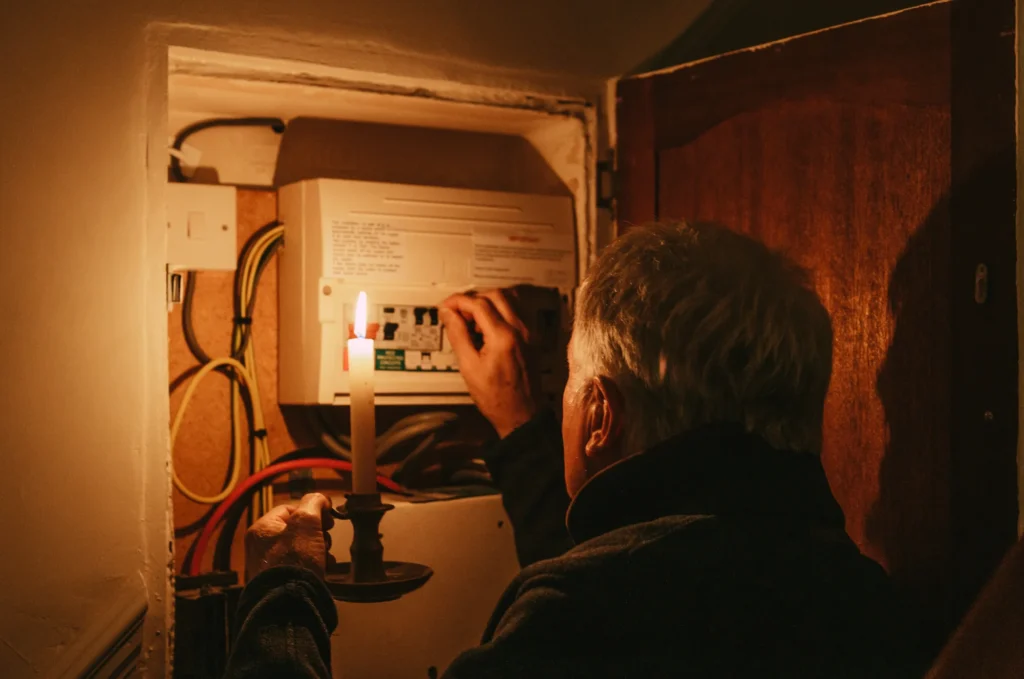
What to do if power goes out in a snowstorm comes down to three actions: report the outage, stay warm, and protect the house until power is restored.
To stay warm, put on warm clothing, close doors to unused rooms, and cover windows with blankets to block cold air. Use an alternative heating source only if it is rated for indoor use, and never burn charcoal or use a gas grill inside.
Report Outages and Downed Lines
Report the outage to your utility company, which in much of Bergen County is PSE&G. Text OUT to 4PSEG (47734) or call 1-800-436-PSEG (7734), and check pseg.com/outagecenter for restoration updates.
Stay at least 30 feet from downed lines, and call 911 if one creates an immediate hazard. If you smell gas, leave the building, move at least 350 feet away, and call 1-800-880-PSEG (7734) or 911.
Protect Pipes and Appliances
A winter power outage can freeze exposed pipes in unheated areas. Let a small trickle of water run and open cabinet doors along exterior walls.
Shut off the water before thawing a frozen pipe, and never use an open flame. Unplug sensitive electronics to avoid damage from a surge when power returns.
Winter Storm Emergency Kit Checklist
Pack the kit before the first winter storm and check it each season. Replace expired food and weak batteries then. Charge phones and power banks before the storm arrives. Learn how to open your garage door manually, since an electric opener will not work without power.
- Flashlights and extra batteries
- Battery-powered radio
- Charged power banks for phones
- Bottled water and nonperishable food
- Hand-operated can opener
- Blankets and warm clothing
- Fresh batteries for carbon monoxide alarms
Homeowners in Bergen County can schedule generator maintenance, request servicing, or ask about a new installation by calling Grounded Electric at (201) 385-5000. Mention the website promotion to receive $25 off annual maintenance.
The team can also answer questions about a standby generator purchase and the free first-year maintenance that comes with it.